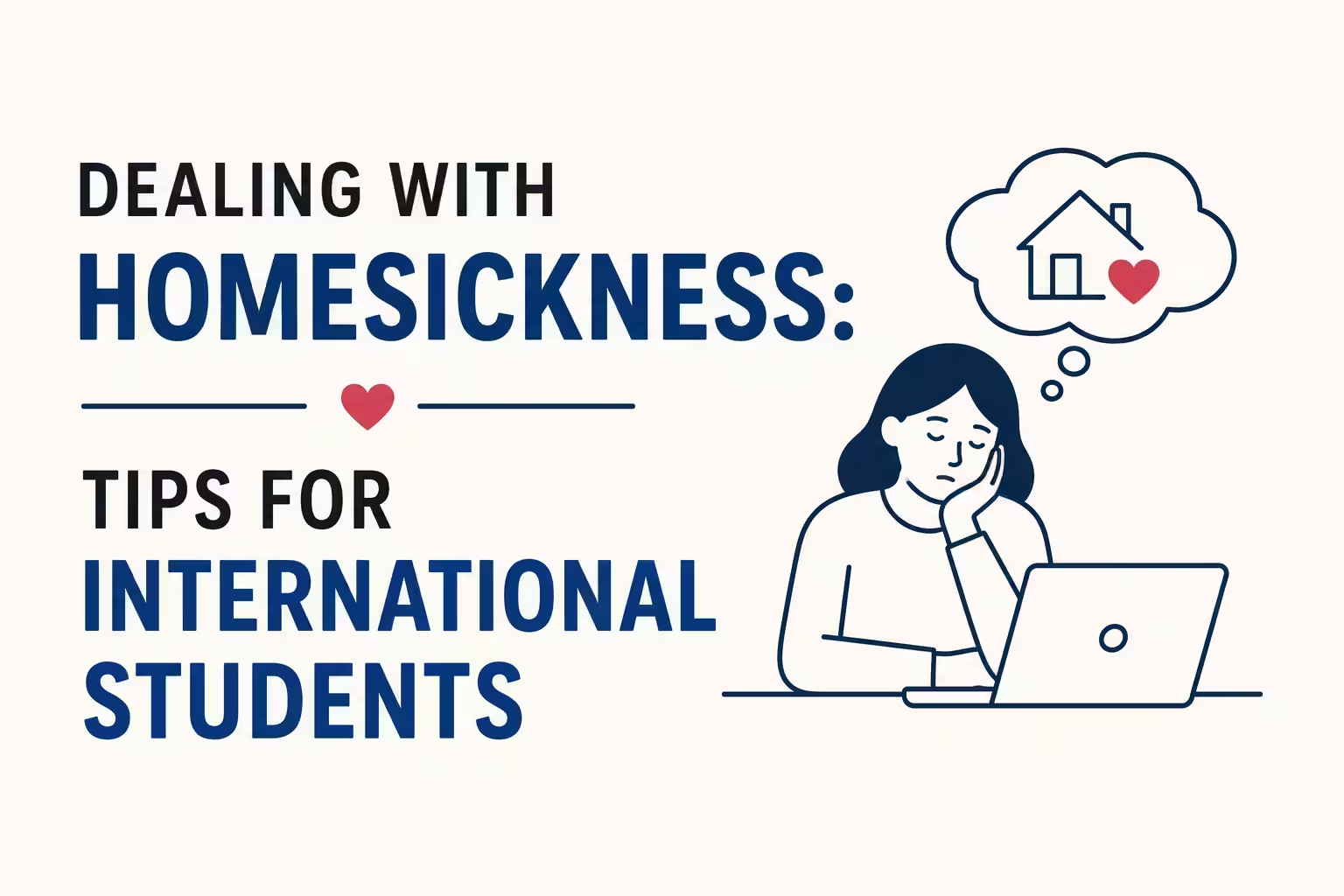
Dealing with homesickness is one of the biggest challenges many international students face when they leave their home country for studies.
I have worked as an English teacher and spoken English trainer for more than ten years.
In both offline classrooms and online sessions, I have seen hundreds of students from India, Nepal, Vietnam, Nigeria, and many other places feel sad, lonely, and even physically tired during their first few months abroad.
One young woman from Delhi once told me in class, “Teacher, I study hard but at night I just miss my mother’s cooking and my little brother’s laugh.” She was not alone.
Homesickness is normal, but it does not have to stop you from enjoying your new life.
In this article, you will find simple, practical tips that actually work. These ideas come straight from my experience helping students in real classrooms.
I will explain each step clearly so you can start using it today.
Whether you are a student, an ESL learner, a parent worried about your child, a teacher, or someone planning to study abroad, these tips will help you feel stronger, more confident, and more at home.
Dealing with homesickness takes time, but consistent small actions make a big difference. Let’s begin.
Find similar posts like this in Career Skills in English category.
What Is Homesickness and Why Does It Happen to International Students?
Homesickness is that heavy feeling of missing your family, friends, food, language, and familiar places. It is not just “being sad.”
Your brain and body react because everything around you is new – the weather, the food, the way people talk, even the smell of the air.
From my classroom experience, international students feel it most during the first three to six months.
In my offline batches in Delhi and my online spoken English classes with students living in the UK, Canada, Australia, and Germany, I notice the same pattern.
Students who speak good English still feel lonely because they miss casual chats in their mother tongue. They miss festivals, street food, and the comfort of knowing exactly how things work back home.
Homesickness happens because of three main reasons:
- Sudden change in daily life
- Language and culture differences
- Less physical contact with loved ones
The good news? You can learn to handle it. In my ten-plus years of teaching, I have watched students turn this difficult time into a chance to grow stronger.
The key is taking small, practical steps every day.
Recognizing the Signs of Homesickness
Before you can fix something, you need to know it is there. Many students ignore the signs and think they are just “not good enough” at studying or making friends.
Here are the common signs I see in my classes:
- Feeling tired even after sleeping
- Losing interest in classes or food
- Crying easily or feeling angry for no clear reason
- Spending too much time on video calls home
- Avoiding new people because speaking English feels hard
One student in my online group last year kept missing our spoken English practice sessions. When I asked gently, he said, “Teacher, I feel shy because my accent is bad and I miss my friends who understand me without effort.” That was homesickness talking. Once we named it, he started improving.
If you notice these signs in yourself or your child, do not worry. They are normal. The next sections give you clear ways to deal with them.
Tip 1: Stay Connected with Home – But Set Smart Limits
Staying in touch with family is important, but too much contact can make homesickness worse. I tell my students this in every batch: “One good call is better than ten quick worried messages.”
Practical steps:
- Choose fixed times for video calls – maybe Sunday evening for 30 minutes.
- Share positive news first: what you learned, a new friend, a good meal.
- Send voice notes in English instead of long video calls. This also improves your speaking skills!
Why it works: In my experience, students who set limits feel more in control. One girl from Nepal in my offline class reduced her calls from every day to twice a week. After one month she said, “Now I enjoy my calls more and I feel less sad during the week.”
Tip 2: Build a Daily Routine That Feels Like Home
Your brain loves routines. When everything is new, a simple daily plan gives comfort. I teach this to all my international students because it also helps with spoken English practice.
Try this easy routine:
- Wake up at the same time and make your bed.
- Have breakfast (even if it is simple toast) while listening to a short English podcast.
- Study or attend classes at fixed hours.
- End the day with 10 minutes of writing three good things that happened.
In my online classes, I ask students to share their routine in English during warm-up activities. This small habit builds both structure and confidence. One student from Bangladesh told the group, “My routine makes me feel I have my own small home here.” Progress was clear in just two weeks.
Tip 3: Make New Friends Through Spoken English Practice
Homesickness feels smaller when you have friends nearby. The best way is to practice spoken English with others. I have seen this work again and again in both classroom and online settings.
Actionable steps:
- Join a free conversation club at your university or on apps like HelloTalk or Tandem.
- Attend language exchange meetups – you teach your language, they teach English.
- In your hostel or apartment, say “Hi, how was your day?” to one new person every week.
Common mistake I see: Students wait to speak “perfect” English before talking. Please do not do this. In my 10 years of teaching, the students who improve fastest are the ones who speak even with mistakes. I always tell them, “Mistakes are your best teachers.”
One example from my class: A quiet boy from India joined our spoken English sessions online. He started with short sentences.
After two months he made two close friends from different countries. His homesickness almost disappeared because he now had people to share laughs with every day.
Tip 4: Take Care of Your Body – Simple Self-Care That Helps the Mind
When you feel homesick, your body often feels tired too. Simple self-care works like medicine.
Do these every day:
- Walk outside for 20 minutes – fresh air clears the head.
- Eat one meal that reminds you of home (cook simple dal-rice if possible).
- Sleep at the same time every night.
I include a five-minute breathing exercise in every spoken English class: Breathe in for four counts, hold for four, breathe out for four.
Students say it calms their nerves before speaking. Why does it work? Your body and mind are connected. When your body feels better, homesickness feels smaller.
Tip 5: Improve Listening Skills to Feel More Connected
Many international students feel left out because they miss jokes or fast conversations in English. Improving listening skills is a powerful way of dealing with homesickness.
Practical classroom method I use:
- Listen to one short English YouTube video or podcast every day (start with 5 minutes).
- Write down three new words or phrases you heard.
- Repeat them aloud in front of the mirror.
In my offline batches, we do “listening circles.” Students listen to a short story and then retell it in their own words. This builds listening, speaking, and confidence together.
One student from Vietnam improved so much that she started understanding her professors better and made friends in her course. Her homesickness reduced because she no longer felt “outside” the group.
Tip 6: Explore Your New City Like a Tourist
Staying inside makes homesickness stronger. Going out turns your new place into “your” place.
Easy plan:
- Pick one new place each weekend – a park, museum, or market.
- Take photos and describe them in English in a small notebook or voice note.
- Try one new food each week and write two sentences about it.
I give this activity to my students as homework. In online classes, they share their descriptions during speaking practice. The results are amazing. Students start seeing good things in their new city instead of only missing home.
Tip 7: Practice Gratitude and Positive Self-Talk in English
This may sound simple, but it changes your brain over time. Every night, say or write three things you are thankful for – in English.
Why English? Because you are already learning it, so you practice language and build a positive mind at the same time. In my classes I call this “Gratitude Speaking Practice.” Students stand up and say sentences like:
- “I am thankful for my warm room today.”
- “I am thankful I understood my teacher in class.”
Common mistake: Students say negative things to themselves like “I am bad at English” or “Nobody likes me here.” I correct this gently in class and replace it with kind words. After consistent practice, students report feeling lighter and less homesick.
Tip 8: Know When to Ask for Help
Dealing with homesickness alone for too long is not brave – it is unnecessary. Good universities have counsellors who understand international students.
What to do:
- Book one appointment if you feel sad for more than two weeks.
- Talk to your English teacher – we see these problems every year and know how to help.
- Join a support group for international students.
In my teaching experience, students who ask for help early feel better faster. One girl in my online batch was struggling badly.
After she spoke to the university counsellor and continued our spoken English classes, she sent me a message after three months: “Teacher, I still miss home sometimes, but now I have a life here too.”
Common Mistakes International Students Make When Dealing with Homesickness
From my classroom observations, these mistakes make homesickness last longer:
- Isolating yourself and avoiding English practice.
- Comparing your new life to perfect social media posts.
- Eating only junk food or skipping meals.
- Spending all free time on video games instead of real people.
- Thinking “I will feel better only when I go home for holidays.”
I correct these gently in class. For example, when a student says “I have no friends,” I reply, “Let’s make one small sentence you can say to a classmate tomorrow.” Small changes create big results.
Classroom Activities That Help with Homesickness and English Skills
As a teacher, I design simple activities that fight homesickness while improving fluency:
- “Home and Here” sharing: Students speak for one minute about one thing they miss and one thing they like in the new country.
- Role-play real situations: Ordering food, asking for directions, making small talk.
- Group projects where students from different countries teach each other a simple recipe or festival song.
These activities work in both offline and online classes. Students laugh, learn, and feel understood. Confidence grows naturally.
Mini Practice Tasks You Can Do Today
Here are three quick exercises you can start right now:
- Spoken English Warm-up (5 minutes) Stand in front of a mirror and say: “Today I feel a little homesick, but I am also learning new things. I am strong.” Repeat three times with a smile.
- Listening and Writing (10 minutes) Play a calm English song or podcast. Write three sentences about how it makes you feel. Read them aloud.
- Gratitude Journal (5 minutes) Write three thankful sentences in English. Example: “I am thankful for the new friends I met in class.”
Do one task every day. In my experience, students who practice consistently see real improvement in both mood and English fluency within four weeks.
FAQs About Dealing with Homesickness
How long does homesickness last?
It usually feels strongest in the first three months. With daily small actions, most students feel much better by month six. Remember, progress takes time.
Is it normal to cry a lot in the beginning?
Yes, completely normal. Many of my best students cried in the first weeks. It shows you care about your old life. The tips in this article help the tears become fewer and farther between.
Can practicing English really help with homesickness?
Yes! When you speak English more comfortably, you make friends faster and understand your new world better. In my classes, students who focus on spoken English practice feel more confident and less alone.
What if I still feel bad after trying these tips?
Talk to a counsellor or your teacher. Sometimes homesickness mixes with other feelings that need extra support. Asking for help is smart.
My child is studying abroad and seems homesick. What can I do?
Encourage short, positive calls. Ask them to share one good thing each time. Suggest they join a conversation club. Remind them that feeling this way is normal and temporary.
Final Thoughts on Dealing with Homesickness
Dealing with homesickness is a real part of being an international student, but it does not have to define your whole experience.
As a spoken English trainer with more than ten years in classrooms and online sessions, I have seen hundreds of students move from tears to smiles.
They did it with small, consistent steps: setting routines, practicing English, making new friends, and taking care of their bodies and minds.
You already took a brave step by choosing to study abroad. Now take the next small brave steps every day. Speak English even when it feels difficult.
Walk outside even when you want to stay in bed. Share your feelings with someone. Celebrate tiny wins.
Homesickness will visit from time to time – that is okay. But it will visit less and less as you build your new life. You are not alone.
Thousands of students before you have felt exactly what you feel now, and they came out stronger, more confident, and fluent in English.
Keep practicing. Keep moving forward. Your future self – the one who feels at home in this new country and proud of your English skills – is waiting for you. You can do this.
Start with just one tip from this article today. Write it down. Try it tomorrow. Then tell yourself, “I am dealing with homesickness, and I am doing a good job.”
You’ve got this.
Explore more topics here:
- Cheapest Cities for Students in the USA and Canada (2026 Guide)
- Cost of Living in the USA vs Canada for Students (2026 Guide)
- English Conversation Between Two People Discussing Coffee
- Essential Basic English Lessons to Improve Speaking and Grammar
📚 Continue Learning English
Choose your next lesson and keep improving your English skills with our free English learning resources.