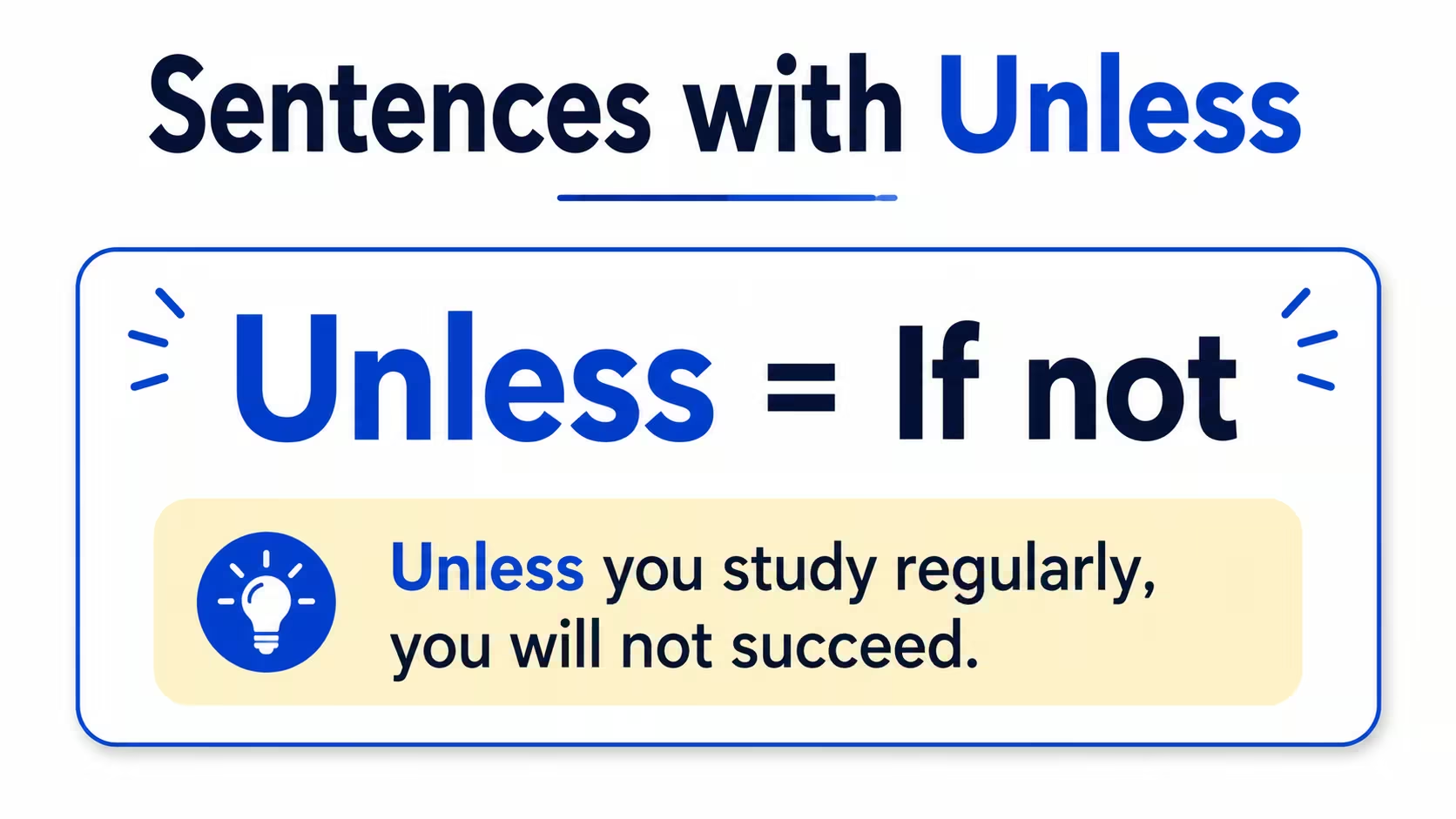
The word “unless” is an important conjunction in English that means “if not.”
Table of Contents
ToggleIt is commonly used to express conditions and explain what will happen if something does not occur.
In this post, you’ll find 150 English sentences with “unless” that will help you use this expression naturally in everyday conversations, writing, and exams.
150 English Sentences with Unless
Below are 150 simple and practical English sentences using unless. These examples will help English learners improve their grammar, speaking, writing, and everyday conversation.
1–25
- Unless you study, you won’t pass the exam.
- Unless it rains, we will go to the park.
- Unless she calls me, I won’t leave.
- Unless you hurry, you’ll miss the bus.
- Unless he apologizes, she won’t forgive him.
- Unless we leave now, we’ll be late.
- Unless you practice every day, you won’t improve.
- Unless they arrive soon, we’ll start without them.
- Unless you tell me the truth, I can’t help you.
- Unless the weather changes, we’ll have a picnic.
- Unless you wear a jacket, you’ll feel cold.
- Unless he works harder, he won’t get promoted.
- Unless I hear from you, I’ll assume you’re busy.
- Unless she finishes her homework, she can’t watch TV.
- Unless you save money, you can’t buy a new phone.
- Unless they agree, the plan won’t work.
- Unless we act quickly, we’ll miss the opportunity.
- Unless he eats healthy food, he won’t feel better.
- Unless I wake up early, I’ll miss my train.
- Unless she explains everything, I won’t understand.
- Unless you lock the door, it won’t be safe.
- Unless they invite us, we won’t attend the party.
- Unless he keeps his promise, nobody will trust him.
- Unless you ask questions, you won’t learn much.
- Unless she speaks louder, nobody can hear her.
26–50
- Unless you charge your phone, it will die.
- Unless we leave immediately, we’ll miss the flight.
- Unless he exercises regularly, he won’t stay fit.
- Unless you clean your room, you can’t go outside.
- Unless I find my keys, I can’t leave.
- Unless she drinks enough water, she’ll feel tired.
- Unless they finish the project today, they’ll miss the deadline.
- Unless you read the instructions, you’ll make mistakes.
- Unless he remembers my birthday, I’ll be disappointed.
- Unless we book early, we won’t get tickets.
- Unless she changes her mind, she’ll join us.
- Unless you drive carefully, you could have an accident.
- Unless I receive an email, I won’t know the details.
- Unless they call first, we won’t be ready.
- Unless he stops smoking, his health will get worse.
- Unless you listen carefully, you’ll miss important information.
- Unless she arrives soon, the meeting will begin without her.
- Unless you water the plants, they’ll die.
- Unless they study together, they’ll struggle with the test.
- Unless he tells the truth, nobody will believe him.
- Unless I finish my work, I can’t relax.
- Unless she smiles, she looks serious.
- Unless we find a taxi, we’ll walk home.
- Unless he practices speaking, his English won’t improve.
- Unless you keep trying, you’ll never succeed.
51–75
- Unless it snows, we’ll go hiking.
- Unless you invite him, he won’t come.
- Unless she feels better, she won’t travel.
- Unless they apologize, we’ll remain upset.
- Unless he arrives on time, we’ll leave without him.
- Unless you check your work, you’ll make careless mistakes.
- Unless I have enough money, I won’t buy it.
- Unless she studies harder, she’ll fail the exam.
- Unless we leave before noon, we’ll hit heavy traffic.
- Unless he learns from his mistakes, he’ll repeat them.
- Unless you tell me your address, I can’t visit you.
- Unless they improve their service, customers will leave.
- Unless she takes a break, she’ll get exhausted.
- Unless we finish now, we’ll have to continue tomorrow.
- Unless he gets enough sleep, he’ll be tired tomorrow.
- Unless you believe in yourself, success will be difficult.
- Unless I hear good news, I’ll stay worried.
- Unless she cooks dinner, we’ll order food.
- Unless they reduce the price, I won’t buy it.
- Unless he changes his attitude, he’ll lose friends.
- Unless you switch off the lights, you’ll waste electricity.
- Unless we leave early, parking will be difficult.
- Unless she asks for help, nobody will know she needs it.
- Unless he wears glasses, he can’t read the sign.
- Unless you keep practicing, your skills won’t improve.
76–100
- Unless we prepare well, we’ll feel nervous.
- Unless she calls back, I won’t know her decision.
- Unless they finish on time, the event will be delayed.
- Unless you believe me, ask someone else.
- Unless he fixes the car, we can’t travel.
- Unless I remember, please remind me.
- Unless she saves money, she can’t travel abroad.
- Unless we stay calm, we’ll make poor decisions.
- Unless he studies English, he’ll struggle at work.
- Unless you eat breakfast, you’ll feel hungry soon.
- Unless they work together, they won’t finish quickly.
- Unless she apologizes, the argument won’t end.
- Unless I receive your message, I’ll call you.
- Unless he speaks slowly, beginners won’t understand him.
- Unless you keep your receipt, you can’t return the item.
- Unless we finish cleaning, guests can’t come in.
- Unless she exercises, she won’t stay healthy.
- Unless they improve their communication, problems will continue.
- Unless you try new things, you won’t grow.
- Unless he follows the rules, he’ll get into trouble.
- Unless I see it myself, I won’t believe it.
- Unless she finishes cooking, we can’t eat.
- Unless they hurry, they’ll miss the beginning of the movie.
- Unless you respect others, they won’t respect you.
- Unless he changes his habits, nothing will improve.
101–125
- Unless you read books, your vocabulary won’t grow.
- Unless she keeps practicing, she’ll forget what she learned.
- Unless they arrive before sunset, it’ll be dark.
- Unless I receive confirmation, I won’t book the hotel.
- Unless he finishes the report, the manager won’t be happy.
- Unless you exercise daily, you’ll lose your fitness.
- Unless she follows the recipe, the cake won’t taste right.
- Unless we solve this problem, we can’t move forward.
- Unless he speaks politely, people won’t listen.
- Unless you pay attention, you’ll miss the answer.
- Unless I find a better option, I’ll accept this one.
- Unless she tells us the truth, we’ll remain confused.
- Unless they improve their teamwork, they’ll keep losing.
- Unless you plan ahead, you’ll feel stressed.
- Unless he gets a visa, he can’t travel overseas.
- Unless we take action now, the problem will grow.
- Unless she charges her laptop, it will shut down.
- Unless you wash your hands, you may get sick.
- Unless they lower the price, sales will remain slow.
- Unless he apologizes sincerely, trust won’t return.
- Unless I finish this chapter, I won’t go to bed.
- Unless she starts now, she’ll run out of time.
- Unless we book a table, we may not get a seat.
- Unless he checks the map, he’ll get lost.
- Unless you keep your promise, people won’t trust you.
126–150
- Unless she accepts the offer, someone else will.
- Unless they work harder, they won’t reach their goals.
- Unless you speak clearly, people may misunderstand you.
- Unless he stays focused, he’ll make mistakes.
- Unless I know the answer, I’ll ask the teacher.
- Unless she feels confident, she won’t volunteer.
- Unless we leave before rush hour, traffic will be terrible.
- Unless he brings his ID, he can’t enter the building.
- Unless you check the weather, you may get caught in the rain.
- Unless they finish the repairs, the road will remain closed.
- Unless she changes her password, her account won’t be secure.
- Unless we save more money, we can’t buy a house.
- Unless he wakes up earlier, he’ll always be late.
- Unless you take care of your health, you’ll regret it later.
- Unless they practice regularly, they won’t improve.
- Unless she asks permission, she can’t use the equipment.
- Unless I receive better news, I’ll keep looking for other options.
- Unless he learns to manage his time, he’ll stay busy.
- Unless we support each other, success will be difficult.
- Unless you remain patient, you’ll become frustrated.
- Unless she reads the contract carefully, she may miss important details.
- Unless they solve the issue today, it will become more serious.
- Unless he keeps learning, he’ll fall behind.
- Unless you believe in your dreams, nobody else will.
- Unless you give up, you always have a chance to succeed.
Conclusion
Learning to use “unless” correctly will make your English more natural and precise.
These 150 English sentences with “unless” provide plenty of real-life examples to help you understand conditional expressions and communicate more confidently.
Practice them regularly and create your own sentences to strengthen your grammar and speaking skills.
FAQs
What does “unless” mean?
“Unless” means “if not.” It introduces a condition that must be met for something else to happen.
Example: You won’t pass the exam unless you study.
How do you use “unless” in a sentence?
Use “unless” to express a condition where something will not happen if another thing does not happen.
Example: We can’t leave unless everyone is ready.
Can “unless” replace “if not”?
Yes. In many situations, “unless” can replace “if not” without changing the meaning.
Example:
- I won’t go unless you come.
- I won’t go if you don’t come.
What are common mistakes when using “unless”?
A common mistake is using “unless” with another negative verb in the same clause. Since “unless” already means “if not,” avoid double negatives.
Correct: You won’t succeed unless you work hard.
How can I improve my use of “unless”?
Practice reading, writing, and speaking sentences with “unless.” Creating your own examples from everyday situations is one of the best ways to master it.