Daily Use English Sentences

Daily Use English Sentences: Learn Practical English for Everyday Conversations

Daily Use English Sentences helps you speak English naturally and confidently in everyday situations. Whether you’re a beginner, student, traveler, or English learner, this category offers practical sentences you can use in real-life conversations at home, school, work, and while traveling. Learn useful English sentences for greetings, shopping, dining, asking questions, making requests, giving opinions, and handling everyday situations with ease. Each lesson includes simple explanations, natural examples, and common expressions to help you improve your spoken English, build confidence, and communicate fluently in your daily life.

What You Will Learn in Daily Use English Sentences

This section covers a wide range of everyday English speaking topics, including:

  • Common daily conversation sentences
  • English sentences for greetings and introductions
  • Sentences for shopping, travel, and daily activities
  • English for asking and answering questions
  • Polite expressions and basic communication phrases
  • English sentences for home, school, and workplace
  • Useful sentences for social and casual conversations
  • Real-life dialogues and speaking practice

Each lesson includes simple explanations and practical examples so you can use these sentences in real-life situations immediately.

Why Learning Daily Use English Sentences Is Important

Learning daily use sentences helps you:

  • Speak English confidently in everyday situations
  • Improve your fluency and communication skills
  • Understand and respond quickly in conversations
  • Build a strong foundation for spoken English
  • Reduce hesitation while speaking
  • Communicate clearly with others in daily life

Practicing daily sentences regularly helps you become more natural and fluent in English.

Learn English Sentences for Real-Life Use

At Love You English, we focus on practical learning. You will learn how to use English sentences in real situations such as:

  • Talking with friends and family
  • Shopping and asking for help
  • Traveling and giving directions
  • Making requests and giving responses
  • Participating in daily conversations
  • Handling common real-life situations

This practical approach helps you speak English naturally and confidently in your daily life.

Daily English Sentences for Beginners to Intermediate Learners

This category is useful for:

  • Beginners starting their English speaking journey
  • Students improving basic communication skills
  • English learners building daily conversation skills
  • Anyone who wants to speak English fluently in daily life

All lessons are written in simple English so that you can understand easily and start using sentences without confusion.

Improve Your Spoken English Step by Step

Learning daily use English sentences is the best way to improve your speaking skills. Instead of memorizing complex grammar, you learn how to use English naturally in real conversations.

With regular practice, you can:

  • Speak English confidently in daily situations
  • Improve your fluency and pronunciation
  • Understand conversations easily
  • Respond quickly and naturally
  • Build strong spoken English skills

Explore the lessons below and start learning daily use English sentences today. Take the first step toward speaking English confidently and fluently.

Practice daily, speak confidently, and improve your English step by step.


Frequently Asked Questions (FAQs)

What are daily use English sentences?

Daily use English sentences are common sentences used in everyday conversations. They help you communicate easily in real-life situations like talking, asking questions, and responding to others.

Why should I learn daily use English sentences?

Learning daily use sentences helps you speak English confidently, improve fluency, and communicate effectively in everyday situations.

How can I practice daily English sentences?

You can practice by speaking regularly, reading sentences aloud, using them in conversations, and practicing with friends or language partners.

Are daily use English sentences helpful for beginners?

Yes, they are very helpful for beginners because they provide simple and practical ways to start speaking English quickly.

Can I become fluent by learning daily sentences?

Yes, learning and practicing daily sentences regularly can improve your fluency and confidence in speaking English.

What topics are included in daily English sentences?

Topics include greetings, shopping, travel, daily activities, asking questions, making requests, and everyday conversations.

How long does it take to learn daily English sentences?

You can start using basic sentences within a few days, but becoming fluent requires regular practice over time.

Do I need grammar to learn daily sentences?

You do not need advanced grammar. Learning sentences helps you understand grammar naturally while speaking.

Explore more topics here:

Improve Spoken English fluency
Practice real-life English Conversations

  • English for Jobs
  • Learn useful English Vocabulary
    Understand English Grammar
    Career Skills

    For more English learning resources, visit
    Love You English.

    • 150 English Sentences with Rather Than for Everyday Conversations

      The phrase “rather than” is commonly used in English to express preferences, make comparisons, or show that one option is chosen over another. It’s an essential expression for everyday conversations and formal writing alike. In this post, you’ll find 150 English sentences with “rather than” to help you understand its meaning and use it confidently in real-life situations. 150 English Sentences with Rather Than Below are 150 simple and practical English sentences using rather than. These examples are excellent for improving grammar, speaking, writing, and everyday English. 1–25 I prefer tea rather than coffee. She walked rather than took a taxi. He stayed home rather than went out. We decided to drive rather than fly. I’d rather read rather than watch TV. They chose pizza…


    • 100 Past Perfect Sentences with Easy Examples for English Learners

      The Past Perfect Tense is used to describe an action that was completed before another action or time in the past. It helps show the order of past events clearly. In this post, you’ll find 100 Past Perfect sentences that are simple, practical, and ideal for English learners who want to improve their grammar and communication skills. 100 Past Perfect Sentences The Past Perfect Tense is used to describe an action that had already been completed before another action or time in the past. Structure: Subject + had + past participle (V3) Example: She had finished her homework before dinner. 1–25 I had finished my homework before dinner. She had left the office before I arrived. He had already eaten breakfast when I called. We…

    • 100 Future Perfect Continuous Sentences with Easy Examples

      The Future Perfect Continuous Tense is used to describe an action that will have been continuing for a specific period of time before a particular moment in the future. Although it is one of the more advanced English tenses, learning it becomes much easier with practical examples. In this post, you’ll find 100 Future Perfect Continuous sentences designed to improve your grammar, speaking, and writing skills. 100 Future Perfect Continuous Sentences The Future Perfect Continuous Tense is used to describe an action that will have been happening for a specific period of time before a certain point in the future. Structure: Subject + will have been + verb (-ing) + time expression Example: By next month, I will have been working here for two years….

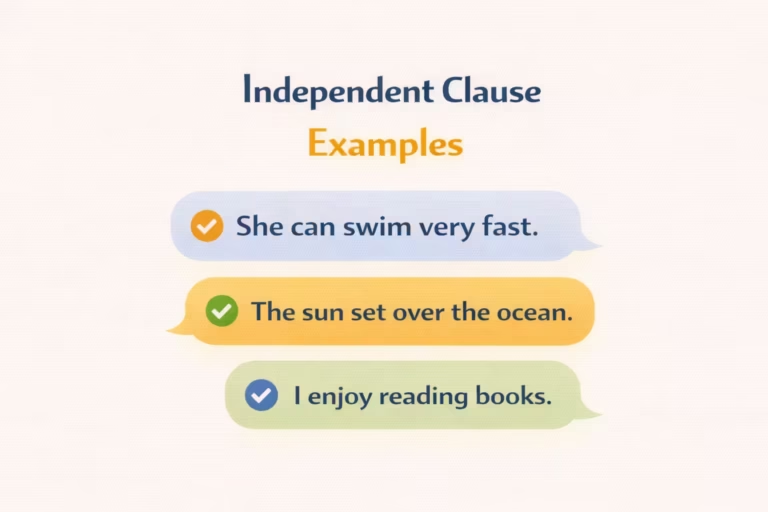
    • Independent Clause Examples: 550+ Sentences

      Understanding independent clauses is one of the most important steps in mastering English grammar. Whether you’re a teacher preparing lesson plans, a parent helping your child with homework, or someone learning English as a second language, knowing how independent clauses work will transform the way you read, write, and speak. After teaching English for over fifteen years, I’ve seen countless students struggle with sentence structure. The good news? Once you understand independent clauses, everything else becomes clearer. I am providing over 550 real examples organized by type, along with simple explanations that anyone can follow. What Is an Independent Clause? An independent clause is a group of words that contains a subject and a verb and expresses a complete thought. It can stand alone as…

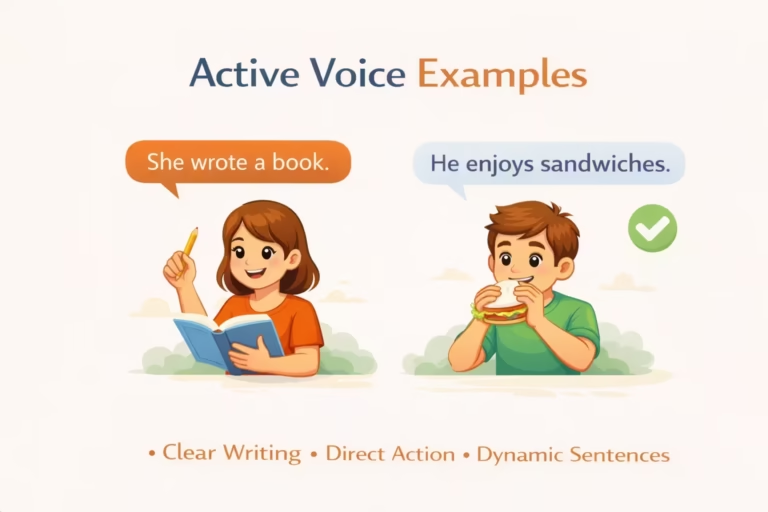
    • Active Voice Examples: 5,00 English Sentences + Guide

      Writing clearly matters. When your readers understand your message the first time, everyone wins. One of the simplest ways to improve your writing is to use the active voice instead of the passive voice. I’ve taught writing to students for over fifteen years. In every class, I see the same problem. New writers fill their work with passive sentences without realizing it. Their writing feels weak and confusing. When they switch to the active voice, their work transforms immediately. I will help you understand the active voice and use it confidently. You’ll learn what makes a sentence active, why it matters, and how to spot passive voice in your own writing. By the end, you’ll have the tools to write with more power and clarity….

    • 150 English Sentences Related to Public Transport

      Public transport is a common topic in daily conversations, exams, and real-life situations. Whether you are talking about buses, trains, metros, taxis, or airports, you need the right English sentences to express yourself clearly. This blog post, “150 English Sentences Related to Public Transport,” is specially designed for English learners who want to improve their speaking, reading, and vocabulary skills. In this post, you will find easy and useful English sentences related to public transport that are commonly used in daily life. These sentences will help students, ESL learners, and competitive exam candidates speak English with more confidence. The sentences are simple, practical, and suitable for beginners to intermediate learners. Buying Tickets and Payments (1–25) Where’s the ticket office? What time’s the next bus to…

    • 200 English Sentences for Restaurants and Cafes for English Speaking

      Eating out at restaurants and cafes is a common part of daily life, especially while traveling or socializing. To communicate confidently in such situations, you need the right English sentences. This blog post, “200 English Sentences for Restaurants and Cafes,” is specially created for English learners who want to improve their speaking skills in real-life situations. In this post, you will learn easy and practical English sentences used while ordering food, talking to waiters, asking about the menu, paying the bill, and giving feedback. These sentences are perfect for beginners, ESL learners, and students who want to speak English fluently and naturally in restaurants and cafes. 200 English Sentences for Restaurants and Cafes for English Speaking 1. Greetings and Welcoming (20 sentences) Welcome to our…

    • 200 Daily Office English Sentences to Speak Fluently

      English is an essential skill in today’s workplace. From meetings and emails to casual conversations with colleagues, using the right English sentences helps you communicate clearly and confidently. This blog post, “200 Daily Office English Sentences to Speak Fluently,” is designed to help professionals, students, and ESL learners improve their spoken English for office and work environments. In this post, you will find simple and commonly used English sentences for daily office situations such as meetings, presentations, phone calls, teamwork, and professional conversations. These sentences will help you speak fluent and natural English at work and build confidence in your professional communication. 1. Greetings and Introductions (1-20) Good morning, team—let’s kick off the week strong. Hello everyone, I hope this email finds you well. Hi…

    • English Speaking: 150 English Sentences for Common Situations

      English is used in many common situations in our daily life, such as talking to friends, asking for help, shopping, traveling, or speaking at work. To communicate clearly, it is important to know the right English sentences for these everyday situations. This blog post, “150 English Sentences for Common Situations,” is created to help English learners speak confidently and naturally in real-life conversations. In this post, you will find easy and useful English sentences that are commonly used in daily situations. These sentences are perfect for beginners, ESL learners, students, and anyone who wants to improve their spoken English for daily communication. 1. Greetings and Introductions (Sentences 1-10) Hello, how are you doing today? Nice to meet you; I’m Alex. What’s your name? Good morning!…

    • English Speaking: 150 English Sentences for Giving Directions

      Giving directions is an important part of daily communication, especially while traveling, helping someone find a place, or asking for locations in a new area. To explain directions clearly, you need the right English sentences and common expressions. This blog post, “150 English Sentences for Giving Directions,” is specially designed for English learners who want to speak confidently in real-life situations. In this post, you will learn easy and practical English sentences used for asking and giving directions, such as finding roads, buildings, shops, offices, and public places. These sentences are suitable for beginners, ESL learners, students, and anyone who wants to improve their spoken English for everyday use. Basic Turn Directions (1-25) Turn left at the next intersection. Go straight for two blocks. Take…