Month: May 2026

  • Learning English Through Stories – English Conversation Between Two Friends

    Introduction Learning English can feel difficult when you only focus on grammar rules and memorizing vocabulary. Many learners study for months but still struggle to speak naturally or understand real conversations. That is why more people are now choosing to improve their language skills through stories. Learning English through stories is one of the most enjoyable and effective ways to build vocabulary, improve pronunciation, understand grammar naturally, and gain speaking confidence. Stories create emotional connections that help learners remember words and expressions more easily. Whether you read graded readers, novels, audiobooks, or short stories, you learn English in context instead of through isolated exercises. This method also makes learning less stressful and more engaging because you focus on characters, emotions, and ideas instead of only…


  • English Dialogue About Favorite TV Talk Shows

    Talk shows are one of the most popular forms of entertainment around the world. From celebrity interviews and comedy segments to inspiring stories and current events, talk shows help people stay informed while enjoying interesting conversations. Watching and discussing talk shows is also a great way for English learners to improve listening, speaking, and vocabulary skills through natural communication and real-life expressions. In this English conversation between two people discussing favorite talk shows, you will read a simple and engaging dialogue about popular TV programs, favorite hosts, entertainment preferences, and viewing habits. This conversation is perfect for beginners, ESL learners, and students who want to improve spoken English through fun and relatable topics. English Dialogue About Favorite TV Talk Shows Alex: Hey Jordan, I’ve been…

  • English Dialogue About Favorite Asian Travel Destinations

    Asia is one of the most beautiful and diverse continents in the world, offering amazing travel experiences, rich cultures, delicious food, and famous tourist attractions. From the busy streets of Tokyo to the peaceful beaches of Thailand and the historical landmarks of India, there are countless places that travelers love to explore. Talking about travel is also a great way for English learners to improve speaking skills and learn practical vocabulary used in real-life conversations. In this English conversation between two people discussing favorite places to visit in Asia, you will read a simple and natural dialogue about travel experiences, dream destinations, and cultural interests. This conversation is perfect for beginners, ESL learners, and students who want to improve spoken English through everyday topics. Find…

  • English Conversation Between Two People Discussing a Podcast

    Podcasts have become one of the most popular ways to learn, relax, and stay informed. From comedy and storytelling to business and self-improvement, people around the world enjoy listening to podcasts every day. For English learners, podcasts are also a great way to improve listening and speaking skills while learning natural conversations and modern vocabulary. In this English conversation between two people discussing podcasts, you will read a realistic and engaging dialogue about favorite podcast shows, listening habits, and why podcasts are becoming so popular. This conversation is written in simple and natural English, making it perfect for beginners, ESL students, and anyone who wants to improve spoken English through daily conversations. Find more conversations in English Conversation Practice category. English Conversation Between Two People Discussing a…

  • Dealing with Homesickness: Tips for International Students

    Dealing with homesickness is one of the biggest challenges many international students face when they leave their home country for studies. I have worked as an English teacher and spoken English trainer for more than ten years. In both offline classrooms and online sessions, I have seen hundreds of students from India, Nepal, Vietnam, Nigeria, and many other places feel sad, lonely, and even physically tired during their first few months abroad. One young woman from Delhi once told me in class, “Teacher, I study hard but at night I just miss my mother’s cooking and my little brother’s laugh.” She was not alone. Homesickness is normal, but it does not have to stop you from enjoying your new life. In this article, you will…

  • Grocery Shopping Tips for Students in North America: Save Money, Eat Well, and Shop Smart

    Introduction: Why Grocery Shopping Feels Overwhelming at First If you are a student living in North America for the first time, grocery shopping can feel confusing and expensive. The stores are large. The choices are endless. And the prices can shock you. Many students — especially international students — spend way too much money on food in their first few months. Some skip meals to save money. Others eat only instant noodles because they do not know what else to buy. This is a common problem, and it is completely avoidable. These grocery shopping tips for students will help you shop smarter, spend less, and still eat well. Whether you are studying in Canada, the United States, or anywhere in North America, this guide gives…

  • English Conversation Between Two People Discussing Coffee

    Coffee is more than just a drink. For many people, it is a daily habit, a source of energy, and a reason to connect with others. Whether friends meet at a café or coworkers chat during a coffee break, coffee conversations are common in everyday English. Learning simple coffee-related dialogues can help English learners improve their speaking skills, vocabulary, and confidence in real-life situations. In this post, you will read an easy English conversation between two people discussing coffee, along with useful expressions that you can use in your own conversations. English Conversation Between Two People Discussing Coffee Alex: Hey Jordan, come on in! I just brewed a fresh pot of this single-origin Colombian coffee I got from that new roaster downtown. Smells amazing, right?…

  • Exit Ticket Ideas for ELA Class: 60+ Strategies That Actually Work

    Introduction: Why Your Last 5 Minutes Matter Most If you teach English Language Arts, you already know how fast class time flies. You plan a great lesson, students get into it, and then the bell rings before you can check if anyone actually understood what you taught. That’s where exit ticket ideas for ELA class come in. An exit ticket is a quick activity students complete in the last 3–5 minutes of class. It helps you find out what they learned, what confused them, and what you need to revisit tomorrow. It’s one of the most powerful tools an ELA teacher can use — and it takes almost no prep time. After 10+ years of teaching English in classrooms and online, I can tell you…

  • Classroom Observation Checklist for English Teachers: A Complete Practical Guide

    Walk into any English classroom unannounced, and within five minutes, you can tell whether learning is actually happening. The energy in the room, the way students respond, how the teacher handles a wrong answer, whether students are speaking or just sitting quietly — all of these details matter. But without a clear system for noticing and recording what you see, observations become vague and unhelpful. That’s where a classroom observation checklist for English teachers becomes essential. Whether you’re an observer, a school leader, a mentor teacher, or an English teacher observing your own practice through video, a good checklist turns what you see into something you can actually use. I will walk you through exactly what to include, why each element matters, and how to…

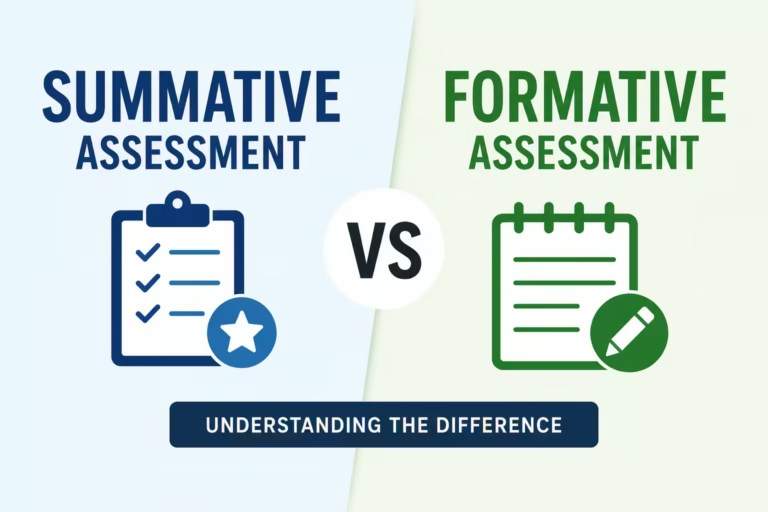
  • Summative vs Formative Assessment Explained: A Teacher’s Complete Guide

    If you’ve ever wondered why some tests feel like checkpoints and others feel like final judgments, you’ve already noticed the difference between formative and summative assessment. These two types of assessment are at the heart of how teachers measure learning — and understanding them can change the way you teach, study, or support a child in school. Summative vs formative assessment is one of the most searched topics in education, and for good reason. Teachers want to use the right tools at the right time. Parents want to understand how their children are being evaluated. Students want to know what to expect. This guide breaks everything down in plain, simple language — with real classroom examples, practical strategies, and honest advice from over a decade…