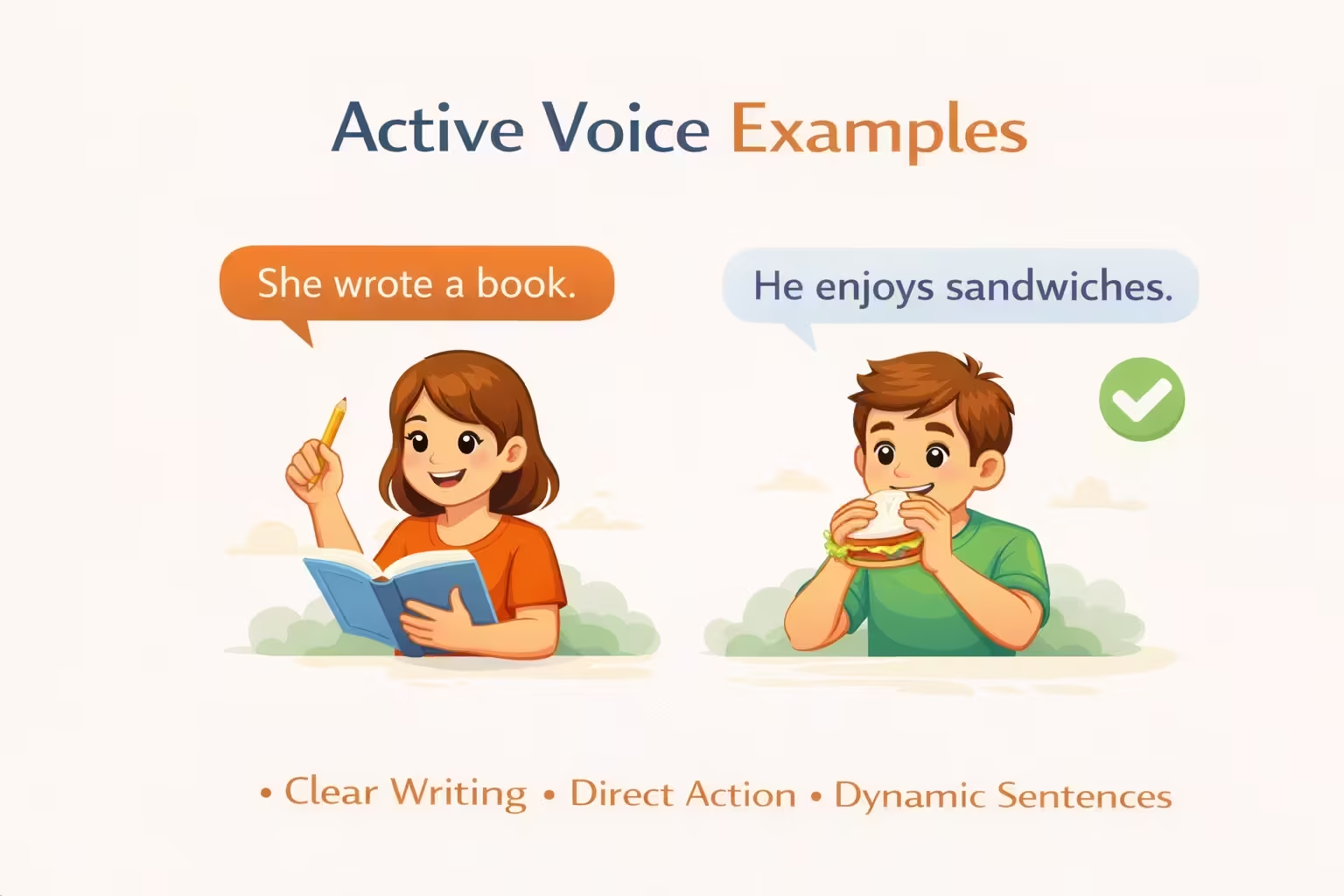
Writing clearly matters. When your readers understand your message the first time, everyone wins. One of the simplest ways to improve your writing is to use the active voice instead of the passive voice.
I’ve taught writing to students for over fifteen years. In every class, I see the same problem. New writers fill their work with passive sentences without realizing it. Their writing feels weak and confusing. When they switch to the active voice, their work transforms immediately.
I will help you understand the active voice and use it confidently. You’ll learn what makes a sentence active, why it matters, and how to spot passive voice in your own writing. By the end, you’ll have the tools to write with more power and clarity.
What Is Active Voice?
Active voice happens when the subject of your sentence performs the action. The structure is simple: subject + verb + object.
Here’s an example:
- Active: The teacher explained the lesson.
- Passive: The lesson was explained by the teacher.
In the active sentence, the teacher (subject) does the action (explained). The meaning is clear and direct. The passive sentence uses more words and feels less energetic.
Think of active voice as showing your reader a movie. The subject is the actor doing something on screen. You see exactly who does what.
Why Active Voice Matters
When I first started teaching, I noticed something interesting. Students who wrote in active voice got better grades, even when their ideas weren’t perfect. Their writing was simply easier to read and understand.
Active voice offers several benefits:
Clarity: Readers immediately know who does what. There’s no confusion about the subject or action.
Strength: Active sentences feel more confident and direct. They grab attention and hold it.
Brevity: Active voice uses fewer words. You communicate the same idea more efficiently.
Engagement: Active writing keeps readers interested. It moves forward with energy and purpose.
Accountability: Active voice clearly shows who is responsible for actions. This matters in business writing, journalism, and academic work.
Professional writers use active voice about 80% of the time. News reporters, bloggers, novelists, and business writers all prefer it. There’s a reason for this preference—it works.
Explore more interesting English topics:
- Best English Conversation Topics for Daily Use
- Learn English Through Media: Fun and Effective Methods
- 150 Basic English Sentences Every Kid Should Learn
- English Conversation at the Coffee Shop
- Top 10 Reasons to Learn English and Improve Your Life
500 Active Voice Examples in Daily Life
1–50: Daily Life Sentences
-
I wake up early.
-
She drinks coffee.
-
They play cricket.
-
We watch TV.
-
He reads a book.
-
I clean my room.
-
She cooks dinner.
-
They finish homework.
-
We open the window.
-
He closes the door.
-
I brush my teeth.
-
She washes clothes.
-
They visit grandparents.
-
We enjoy music.
-
He writes a letter.
-
I drive a car.
-
She feeds the dog.
-
They buy groceries.
-
We learn English.
-
He teaches math.
-
I answer the phone.
-
She sends a message.
-
They build a house.
-
We plant trees.
-
He fixes the bike.
-
I draw a picture.
-
She sings a song.
-
They dance happily.
-
We celebrate festivals.
-
He paints the wall.
-
I help my mother.
-
She calls her friend.
-
They carry bags.
-
We travel together.
-
He studies history.
-
I open my notebook.
-
She solves the problem.
-
They catch the bus.
-
We start the class.
-
He checks the email.
-
I prepare breakfast.
-
She irons clothes.
-
They wash dishes.
-
We meet our teacher.
-
He completes the task.
-
I lock the gate.
-
She unlocks the door.
-
They attend the meeting.
-
We practice speaking.
-
He repairs the fan.
51–100: School Sentences
-
The teacher explains the lesson.
-
Students ask questions.
-
The principal gives a speech.
-
The class starts at nine.
-
She submits her project.
-
He solves the equation.
-
They write an essay.
-
We read the chapter.
-
The librarian arranges books.
-
The coach trains players.
-
She answers correctly.
-
He wins the prize.
-
They prepare for exams.
-
We revise grammar rules.
-
The monitor maintains discipline.
-
She completes her notes.
-
He joins the club.
-
They practice handwriting.
-
We memorize vocabulary.
-
The teacher checks notebooks.
-
She asks for help.
-
He shares his ideas.
-
They participate actively.
-
We solve exercises.
-
The school organizes a trip.
-
She draws a diagram.
-
He reads loudly.
-
They discuss the topic.
-
We attend assembly.
-
The student respects elders.
-
She improves her skills.
-
He listens carefully.
-
They follow instructions.
-
We write answers.
-
The teacher praises students.
-
She understands the concept.
-
He studies science.
-
They submit assignments.
-
We complete worksheets.
-
The school celebrates Independence Day.
-
She solves puzzles.
-
He practices pronunciation.
-
They join competitions.
-
We prepare a presentation.
-
The teacher guides students.
-
She checks spelling.
-
He improves his handwriting.
-
They review mistakes.
-
We answer confidently.
-
The class ends at two.
101–200: Work & Career Sentences
-
The manager calls a meeting.
-
She prepares a report.
-
He sends an email.
-
They complete the project.
-
We meet the client.
-
The company launches a product.
-
She designs a website.
-
He solves the issue.
-
They analyze data.
-
We plan the event.
-
The boss appreciates hard work.
-
She schedules appointments.
-
He attends the conference.
-
They discuss strategy.
-
We improve performance.
-
The team achieves success.
-
She answers customer queries.
-
He manages the team.
-
They close the deal.
-
We develop skills.
-
The employee submits leave.
-
She updates the file.
-
He prepares invoices.
-
They maintain records.
-
We organize documents.
-
The company hires staff.
-
She trains new employees.
-
He solves complaints.
-
They increase sales.
-
We build relationships.
-
The office opens at ten.
-
She checks inventory.
-
He creates content.
-
They promote products.
-
We improve communication.
-
The leader motivates the team.
-
She delivers the presentation.
-
He manages time wisely.
-
They complete targets.
-
We handle pressure.
-
The staff welcomes guests.
-
She arranges meetings.
-
He solves technical problems.
-
They submit reports.
-
We achieve goals.
-
The company values honesty.
-
She improves productivity.
-
He negotiates contracts.
-
They support each other.
-
We celebrate success.
151–300: Mixed Simple Sentences
-
The sun rises in the east.
-
Birds sing sweet songs.
-
The baby cries loudly.
-
The chef cooks tasty food.
-
The doctor treats patients.
-
The police catch thieves.
-
The farmer grows crops.
-
The artist paints portraits.
-
The singer performs on stage.
-
The driver drives carefully.
-
The tailor stitches clothes.
-
The mechanic repairs cars.
-
The writer writes stories.
-
The dancer performs gracefully.
-
The gardener waters plants.
-
The child laughs happily.
-
The student studies daily.
-
The mother cares for her baby.
-
The father earns money.
-
The team wins matches.
-
The boy kicks the ball.
-
The girl rides a bicycle.
-
The dog barks loudly.
-
The cat drinks milk.
-
The horse runs fast.
-
The lion hunts animals.
-
The monkey climbs trees.
-
The elephant carries logs.
-
The shopkeeper sells fruits.
-
The baker bakes bread.
-
The nurse helps patients.
-
The pilot flies the plane.
-
The captain leads the ship.
-
The teacher inspires students.
-
The judge announces the verdict.
-
The worker builds roads.
-
The actor performs brilliantly.
-
The coach encourages players.
-
The engineer designs bridges.
-
The scientist conducts experiments.
-
The boy finishes homework.
-
The girl answers politely.
-
The child opens the box.
-
The mother prepares lunch.
-
The father washes the car.
-
The friend keeps secrets.
-
The neighbor greets everyone.
-
The host welcomes guests.
-
The player scores goals.
-
The singer records songs.
301–500: Short Clear Active Sentences
-
I love my family.
-
She respects her parents.
-
They enjoy holidays.
-
We learn new skills.
-
He speaks clearly.
-
I trust my friend.
-
She completes her work.
-
They solve problems.
-
We make progress.
-
He takes responsibility.
-
I follow rules.
-
She keeps promises.
-
They express opinions.
-
We share ideas.
-
He accepts mistakes.
-
I choose wisely.
-
She works hard.
-
They think positively.
-
We act quickly.
-
He decides carefully.
-
I remember everything.
-
She forgets nothing.
-
They respect elders.
-
We value honesty.
-
He supports friends.
-
I forgive mistakes.
-
She shows kindness.
-
They spread happiness.
-
We build trust.
-
He learns lessons.
-
I teach students.
-
She inspires children.
-
They help neighbors.
-
We protect nature.
-
He plants trees.
-
I recycle plastic.
-
She saves money.
-
They donate clothes.
-
We conserve water.
-
He cleans streets.
-
I organize events.
-
She manages tasks.
-
They create art.
-
We solve puzzles.
-
He answers questions.
-
I read newspapers.
-
She watches movies.
-
They listen carefully.
-
We play games.
-
He runs daily.
-
I swim regularly.
-
She cooks delicious meals.
-
They build sandcastles.
-
We climb mountains.
-
He drives safely.
-
I speak politely.
-
She writes neatly.
-
They sing loudly.
-
We dance together.
-
He studies seriously.
-
I practice daily.
-
She prepares notes.
-
They attend classes.
-
We revise lessons.
-
He solves sums.
-
I answer honestly.
-
She explains clearly.
-
They ask doubts.
-
We share knowledge.
-
He wins respect.
-
I set goals.
-
She achieves success.
-
They chase dreams.
-
We overcome challenges.
-
He builds confidence.
-
I maintain discipline.
-
She controls emotions.
-
They follow schedules.
-
We manage time.
-
He completes duties.
-
I prepare lessons.
-
She teaches grammar.
-
They learn vocabulary.
-
We improve fluency.
-
He corrects mistakes.
-
I speak confidently.
-
She practices pronunciation.
-
They read aloud.
-
We write essays.
-
He develops skills.
-
I attend workshops.
-
She joins webinars.
-
They explore ideas.
-
We test knowledge.
-
He shares feedback.
-
I build habits.
-
She maintains focus.
-
They increase effort.
-
We achieve excellence.
-
He earns appreciation.
-
I check emails.
-
She schedules meetings.
-
They deliver parcels.
-
We design posters.
-
He edits videos.
-
I upload content.
-
She posts updates.
-
They record podcasts.
-
We publish articles.
-
He creates lessons.
-
I guide learners.
-
She mentors students.
-
They plan strategies.
-
We solve conflicts.
-
He builds networks.
-
I improve communication.
-
She increases confidence.
-
They practice interviews.
-
We prepare resumes.
-
He applies for jobs.
-
I attend interviews.
-
She answers questions clearly.
-
They present ideas confidently.
-
We express gratitude.
-
He shows leadership.
-
I respect opinions.
-
She values teamwork.
-
They solve disagreements.
-
We celebrate achievements.
-
He inspires others.
-
I encourage students.
-
She supports family.
-
They enjoy learning.
-
He speaks fluently.
-
I love teaching.
-
She enjoys reading.
-
They appreciate art.
-
We welcome change.
-
He embraces challenges.
-
I create opportunities.
-
She develops confidence.
-
They improve skills.
-
We build careers.
-
He pursues excellence.
-
I follow my passion.
-
She believes in herself.
-
They trust the process.
-
We stay positive.
-
He keeps learning.
-
I motivate my team.
-
She achieves her goals.
-
They follow their dreams.
-
We create success.
-
He respects diversity.
-
She teaches effectively.
-
They communicate clearly.
-
We listen actively.
-
He improves daily.
-
I work sincerely.
-
She leads confidently.
-
They perform well.
-
We stay focused.
-
He solves challenges.
-
I complete assignments.
-
She handles responsibilities.
-
They build friendships.
-
We support growth.
-
He shows gratitude.
-
I manage projects.
-
She meets deadlines.
-
They plan carefully.
-
We act responsibly.
-
He adapts quickly.
-
I maintain consistency.
-
She expresses creativity.
-
They share experiences.
-
We respect time.
-
He accepts feedback.
-
I improve continuously.
-
She practices regularly.
-
They develop habits.
-
We stay organized.
-
He works efficiently.
-
I finish tasks.
-
She prepares thoroughly.
-
They collaborate effectively.
-
We stay motivated.
-
He builds character.
-
I focus daily.
-
She learns quickly.
-
They train hard.
-
We stay committed.
-
He acts confidently.
-
I inspire change.
-
She solves conflicts.
-
They take initiative.
-
We grow together.
-
He achieves greatness.
How to Practice Active Voice Daily
Knowledge means nothing without practice. Here’s how to build your active voice skills.
Morning Exercise: Rewrite three passive sentences from the news before breakfast. This takes five minutes and trains your brain.
Writing Review: Before sending any email or document, scan for passive voice. Replace it when possible.
Reading Analysis: Notice active and passive voice in what you read. Ask yourself why the writer chose each form.
Peer Practice: Exchange writing with a friend. Mark each other’s passive sentences and suggest active alternatives.
Journal Writing: Write daily in active voice. Describe what you did, saw, and thought. Keep the subject doing the action.
Conclusion
Active voice makes your sentences clear, direct, and easy to understand. When the subject does the action, your writing becomes stronger and more confident. Whether you are speaking in daily conversations, writing emails, preparing for exams like IELTS, or creating professional content, active voice helps you communicate better.
In this guide, you explored simple rules, practical tips, and 1,000 active voice examples across different tenses and situations. The more you read and practice these sentences, the more natural active voice will feel in your speaking and writing.
Here is a simple tip to remember:
Subject + Verb + Object = Strong sentence.
If you want to improve your grammar, boost your confidence, and sound more fluent in English, keep practicing active voice daily. Try rewriting passive sentences into active ones, create your own examples, and use them in real conversations.
Clear sentences create clear communication. And clear communication builds confidence.
Keep learning, keep practicing, and keep improving your English every day.