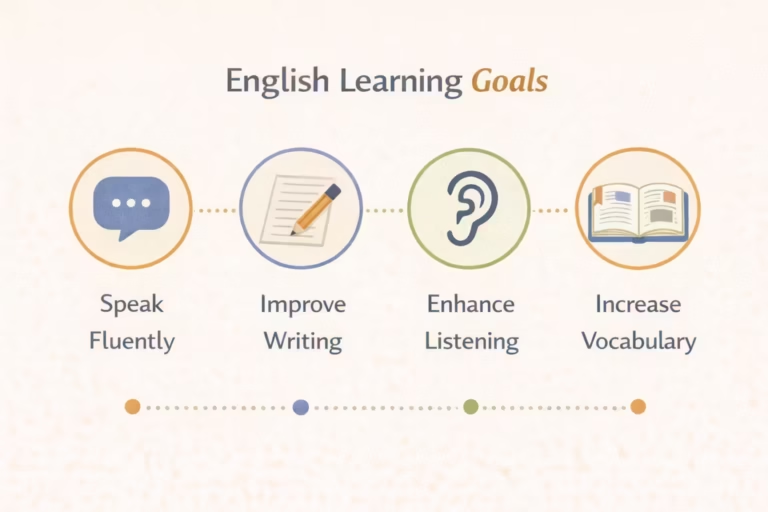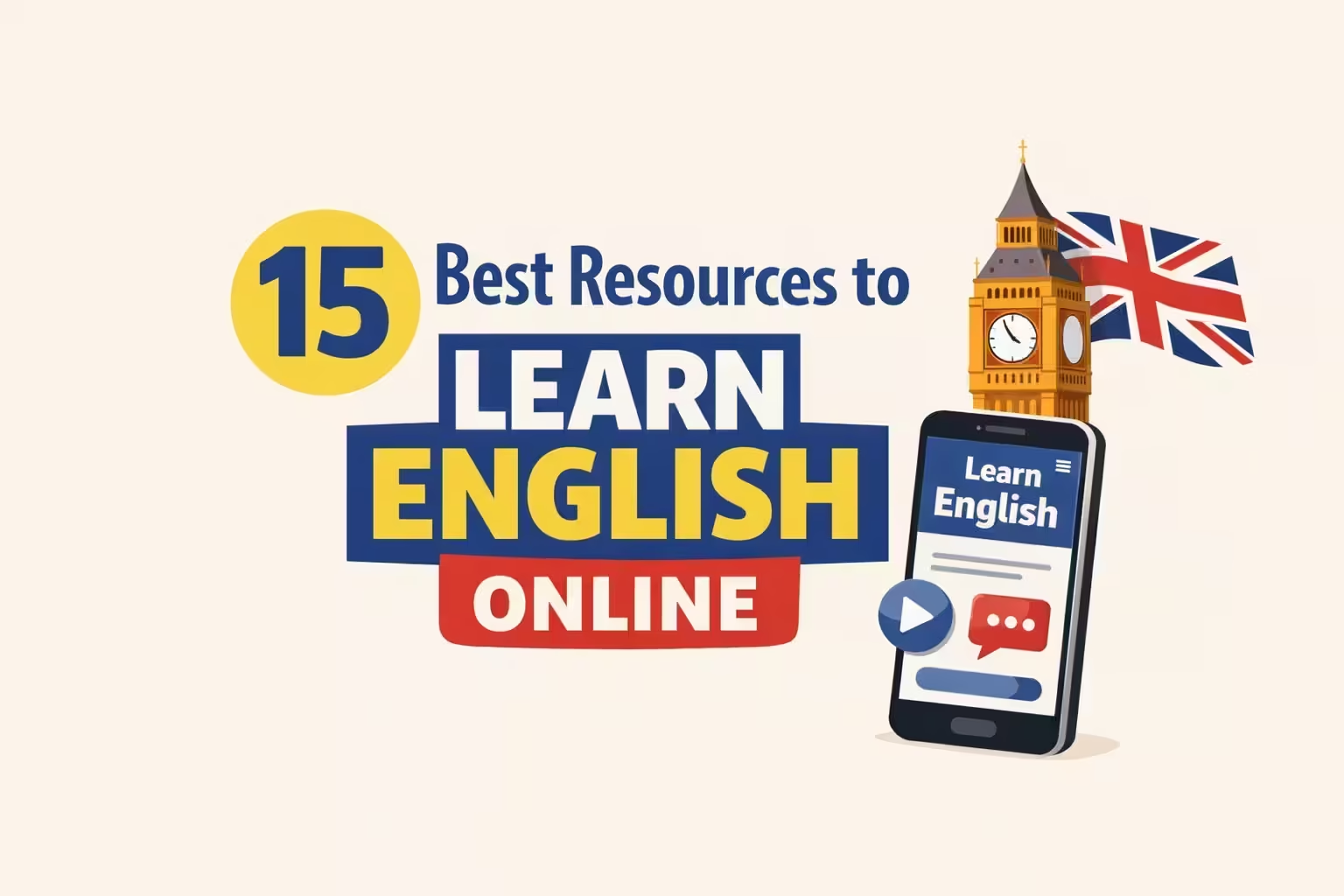
Learning English has become easier than ever thanks to the wide range of online tools, websites, and apps available today.
Whether you are a beginner or an advanced learner, the right resources can help you improve your speaking, listening, reading, and writing skills from the comfort of your home.
Many learners now prefer online English learning platforms because they offer flexible lessons, interactive exercises, and real-life conversation practice.
In this guide, we will explore the best resources to learn English online, including both free and paid tools that can support your language learning journey.
From grammar practice websites and vocabulary apps to platforms where you can speak with native teachers, these resources can help you learn English faster and more effectively.
If you want to build confidence, expand your vocabulary, and improve your communication skills, using the right English learning resources online can make a big difference. Let’s explore some of the most useful tools available today.
1. Best Websites to Learn English
Websites are a great way to learn English because they offer free lessons, exercises, and interactive activities.
Here are some of the best ones:
a) BBC Learning English
👉 Website: https://www.bbc.co.uk/learningenglish
- Offers daily English lessons
- Has short videos to explain grammar, vocabulary, and pronunciation
- Great for listening practice
b) Duolingo
👉 Website: https://www.duolingo.com/
- A fun website that teaches English through games
- Great for beginners
- Helps you learn step by step
c) British Council – Learn English
👉 Website: https://learnenglish.britishcouncil.org/
- Offers lessons on grammar, vocabulary, and pronunciation
- Has free tests to check your English level
- Provides listening and speaking exercises
d) Cambridge English
👉 Website: https://www.cambridgeenglish.org/
- Helps you prepare for English exams like IELTS and TOEFL
- Has free grammar and vocabulary exercises
- Offers online tests to track your progress
e) ESL Fast
👉 Website: https://www.eslfast.com/
- Provides thousands of short English conversations
- Good for improving speaking and listening skills
- Simple and easy-to-use website
f) Love You English
👉 Website: https://loveyouenglish.com/
- Offers simple English lessons for daily use
- Great for improving speaking, vocabulary, and grammar
- Easy-to-understand content for ESL learners
2. Best Mobile Apps to Learn English
Apps are great because you can learn anytime, anywhere.
Here are some of the best English-learning apps:
a) Duolingo
- Free app that makes learning fun
- Uses small, daily lessons
- Good for beginners
b) Hello English
- Available for free on Android and iOS
- Provides grammar lessons, vocabulary, and quizzes
- Has games to make learning interesting
c) Memrise
- Helps you learn vocabulary with pictures and videos
- Uses fun memory tricks
- Good for improving pronunciation
d) BBC Learning English App
- Provides short videos and audio lessons
- Covers grammar, pronunciation, and speaking skills
- Best for intermediate and advanced learners
e) LingQ
- Helps you learn English through real-world content
- Uses stories, articles, and audio lessons
- Great for reading and listening practice
3. Best YouTube Channels to Learn English
Watching videos is one of the best ways to learn English. Here are some amazing YouTube channels that can help you:
a) BBC Learning English
👉 https://www.youtube.com/c/bbclearningenglish
- Daily lessons on vocabulary, pronunciation, and grammar
- Short and engaging videos
b) English Addict with Mr Steve
👉 https://www.youtube.com/@EnglishAddict
- Fun and interactive lessons
- Helps with pronunciation and speaking
c) English with Lucy
👉 https://www.youtube.com/c/EnglishwithLucy
- Focuses on pronunciation and grammar
- Provides useful tips for speaking fluently
d) Speak English With Vanessa
👉 Speak English With Vanessa – YouTube
- Teaches real-life conversations
- Helps improve speaking skills
e) Learn English with Bob the Canadian
👉Learn English with Bob the Canadian
- Explains grammar and vocabulary in a simple way
- Provides listening and speaking practice
4. Best Podcasts to Learn English
Listening to English podcasts is a great way to improve your listening skills and pronunciation. You can listen while walking, cooking, or traveling.
Here are some great podcasts for learning English:
a) The British Council Podcasts
- Covers everyday English conversations
- Good for learning common phrases
b) The BBC 6-Minute English
- Short and easy-to-understand lessons
- Teaches useful vocabulary and expressions
c) The ESL Pod
- Designed for English learners
- Helps improve listening and comprehension
d) The RealLife English Podcast
- Helps you speak natural English
- Focuses on common phrases and expressions
e) The All Ears English Podcast
- Focuses on English for daily life
- Good for improving speaking skills
5. Best Books to Learn English
Reading books helps improve vocabulary, grammar, and sentence structure.
Here are some of the best books for learning English:
a) English Grammar in Use – Raymond Murphy
- Best book for learning English grammar
- Explains grammar rules in a simple way
b) Word Power Made Easy – Norman Lewis
- Helps improve vocabulary
- Uses simple explanations and exercises
c) The Oxford Picture Dictionary
- Great for beginners
- Uses pictures to explain words
d) The Practice of English Language Teaching – Jeremy Harmer
- Useful for both learners and teachers
- Explains English in an easy-to-understand way
e) English Idioms in Use – Michael McCarthy
- Helps you learn common idioms
- Improves your speaking and writing skills
6. Best Online Courses to Learn English
If you want a structured way to learn English, online courses are a great option.
Here are some of the best:
a) Coursera – English for Beginners
👉 Website: https://www.coursera.org/
- Offers free English courses
- Good for all levels
b) Udemy – English Grammar & Speaking
👉 Website: https://www.udemy.com/
- Provides detailed lessons
- Affordable and effective
c) FutureLearn – English for Work
👉 Website: https://www.futurelearn.com/
- Focuses on business English
- Good for professionals
d) edX – Learn English for Free
👉 Website: https://www.edx.org/
- Offers English courses from top universities
- Covers grammar, pronunciation, and writing
e) Alison – English Course for Beginners
👉 Website: https://www.alison.com/
- Free English courses with certificates
- Great for beginners and intermediate learners
f) italki – Learn English with Private Tutors
👉Website: https://www.italki.
- Connects learners with professional and community English tutors
- Allows students to book one-on-one lessons based on their schedule and learning goals
- Provides personalized speaking practice and conversation sessions
- Suitable for beginners as well as advanced learners who want real communication practice
Final Tips for Learning English
Now that you know the best resources, here are some extra tips to help you learn English faster:
✔ Practice every day – Even 15 minutes a day can help.
✔ Speak as much as possible – Talk to friends or join online speaking groups.
✔ Listen to English songs and watch English movies – This improves listening skills.
✔ Read books, newspapers, and blogs – Helps with vocabulary and grammar.
✔ Use English in daily life – Try thinking in English and writing short notes.
Explore more topics here:
- English Learning Tips for Travelers
- How to Use Technology to Learn English
- Collocations for Talking About Success and Failure
- Collocations for Talking About Technology and Gadgets
- Travel Collocations: Essential Phrases for Airports and Hotels
- English Speaking Skills: The Ultimate Guide to Speak Fluently
📚 Continue Learning English
Choose your next lesson and keep improving your English skills with our free English learning resources.