Blog

  • Creating a Positive Learning Environment in ESL classrooms

    A positive learning environment plays a key role in the success of ESL classrooms. When students feel safe, supported, and encouraged, they are more confident to speak, make mistakes, and actively participate in learning English. A welcoming classroom atmosphere can greatly improve motivation, communication, and language progress. In this post, “Creating a Positive Learning Environment in ESL Classrooms,” we explore practical strategies teachers can use to build trust, reduce anxiety, and promote student engagement. From classroom management and teacher attitude to activities that encourage interaction, this guide focuses on creating spaces where learners feel comfortable using English every day. This article is especially useful for ESL teachers, English trainers, and educators, as well as anyone involved in language teaching. By creating a positive learning environment,…

  • Remote Education Job Opportunities: A Complete Guide

    The classroom has changed. Thanks to reliable video tools, learning platforms, and a global shift toward flexible work, teachers, tutors, and education professionals no longer need a physical classroom to build a meaningful career. If you’re wondering whether remote education jobs are legitimate, well-paying, and available to people at every experience level, you’re in the right place. I will walk you through the types of remote education roles available, what qualifications you need, realistic salary expectations, where to find openings, and how to avoid common scams. Whether you’re a certified teacher looking for flexibility or a subject-matter expert wanting to tutor on the side, you’ll find practical, actionable steps here. What Counts as a Remote Education Job? Remote education jobs are any teaching, tutoring, or…

  • How to Speak English Fluently: 10 Practical Tips

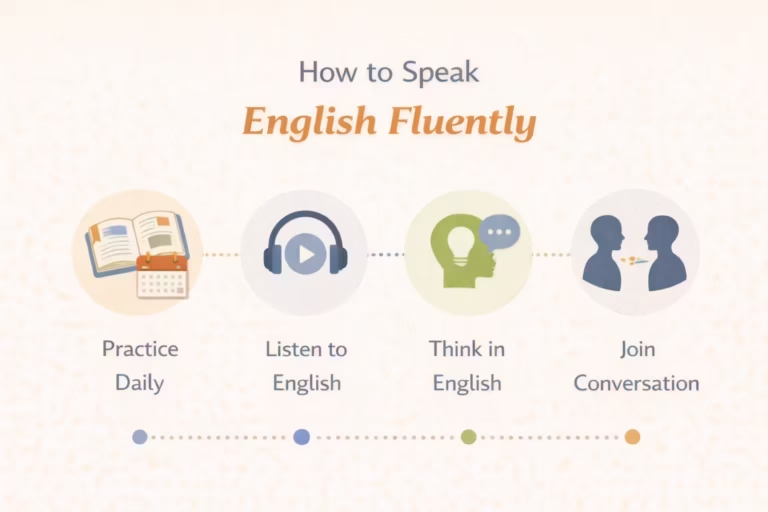
    Have you ever known the right English word in your head but frozen up the moment you tried to say it out loud? You’re not alone. Millions of English learners around the world can read and write well but still struggle to speak smoothly and confidently. The good news? Fluency isn’t about knowing every grammar rule or memorizing thousands of words. It’s a skill you build through the right kind of practice. In this guide, you’ll learn 10 practical, research-backed tips to speak English fluently — plus common mistakes to avoid, a simple daily practice plan, and answers to the questions learners ask most. Whether you’re preparing for work, travel, exams, or everyday conversations, these strategies will help you speak with more confidence starting today….

  • Fun And Engaging Techniques to Learn English

    Ever tried to learn English from a textbook and given up after two weeks? You’re not alone. Grammar drills and vocabulary lists can feel like a chore, and that’s exactly why so many learners lose motivation before they make real progress. Here’s the truth: the people who become fluent fastest usually aren’t the ones who study the hardest—they’re the ones who make learning enjoyable enough to stick with it. I will walk you through proven, genuinely fun techniques for building your English skills, from everyday habits to creative practice methods. You’ll also find a level-by-level starting guide, a weekly routine you can copy, mistakes to avoid, and answers to the questions learners ask most often. Let’s make English learning something you look forward to, not…

  • The Role of Technology in English Teaching and Learning

    Technology has transformed the way English is taught and learned in today’s classrooms. From traditional chalk-and-talk methods to interactive digital tools, technology now plays a vital role in making English teaching more engaging, effective, and learner-centred. Whether lessons take place in physical classrooms or online, technology helps teachers reach learners in new and meaningful ways. In this blog post, The Role of Technology in English Teaching, we explore how digital tools and resources support language learning at different levels. Technology enables teachers to use videos, audio, apps, online platforms, and interactive activities to improve listening, speaking, reading, and writing skills. It also allows learners to practise English beyond the classroom, learn at their own pace, and gain exposure to real-world language use. This guide is…

  • Managing Discipline in Online ESL Lessons: Practical Classroom Tips

    Managing discipline in online ESL lessons can be challenging, especially when teaching learners from different age groups, cultures, and attention levels. Without a physical classroom, teachers often struggle with issues like distractions, lack of participation, background noise, or students switching off their cameras. However, with the right strategies in place, maintaining discipline in an online ESL classroom is not only possible but effective. In this blog post, Managing Discipline in Online ESL Lessons: Practical Classroom Tips, we focus on realistic, easy-to-apply methods that help create a positive and well-managed virtual learning environment. You’ll learn how to set clear expectations, establish routines, use engaging activities, and handle common discipline problems without interrupting the flow of the lesson. These tips are designed to support both new and…

  • ·

    How to Learn English Online Fast: Simple Strategies That Work

    Learning English online is easier than ever before. With the right strategy, you can improve your speaking, listening, reading, and writing skills much faster than you think. However, many learners waste time because they do not follow a clear plan. They watch random videos, download too many apps, or study without practice. The result? Slow progress and low confidence. If you truly want to learn English online fast, you need smart methods, daily practice, and the right resources. Online learning gives you flexibility. You can attend live classes, watch lessons, practice pronunciation, and even speak with people from different countries—all from your home. In this practical guide, you will discover proven strategies to accelerate your English learning. You will learn how to create a daily…

  • Advantages of Studying English Online – A Guide

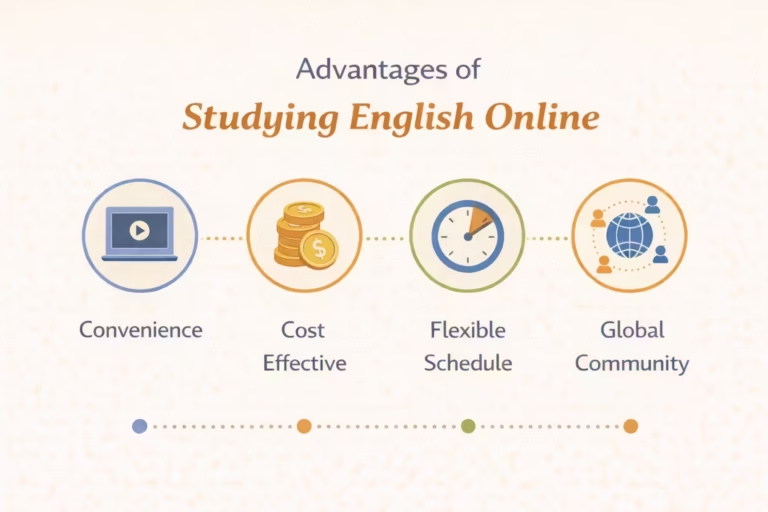
    Learning English has never been more accessible than it is today. With the rise of online education, students around the world can now improve their English skills from the comfort of their homes. But what makes online English learning so effective? In this guide, we’ll explore the key advantages of studying English online and share practical tips to help you succeed. This post is helpful for: English beginners who want to build a strong basics ESL learners improving daily communication skills Kids and school students learning English step by step College students preparing for exams and interviews Working professionals who want to speak English with confidence What Does “Studying English Online” Mean? Before we dive into the benefits, let’s clarify what online English learning involves….

  • How Much Can You Earn Teaching English Online? Salary Guide for Tutors

    How Much Can You Earn Teaching English Online? is a common and important question for teachers, students, and professionals who are exploring online teaching as a career option. With the rapid growth of online education, teaching English online has become a flexible and popular way to earn income from anywhere in the world. Earnings can vary widely depending on factors such as qualifications, teaching experience, platform used, target students, working hours, and location. This topic gives a clear overview of expected income ranges, payment models, and opportunities available for beginners as well as experienced teachers. Written in simple and easy English, it is helpful for aspiring online English teachers, ESL trainers, and freelancers. Understanding potential earnings helps learners make informed decisions and plan a realistic…

  • English Grammar Rules: Learn the Basic Rules and Fundamentals Easily

    Grammar can feel like a maze of confusing rules and exceptions. Do you capitalize this word? Is it “who” or “whom”? Why does English have so many verb tenses? If you’ve ever felt overwhelmed trying to learn English grammar, you’re not alone. The good news is that most grammar rules are actually simple once they’re explained clearly, without confusing jargon. In this guide, you’ll learn the essential building blocks of English grammar—parts of speech, sentence structure, verb tenses, punctuation, and common mistakes—all explained in plain language with real examples. Whether you’re a student, a non-native speaker, or just want to brush up your writing skills, this article will give you a solid foundation you can actually use. What Is Grammar and Why Does It Matter?…