Blog

  • 150 Simple English Phrases for School and College Students

    English is used every day in schools and colleges—for asking questions, talking to teachers, participating in class, and communicating with friends. Knowing simple English phrases helps students express their thoughts confidently and participate actively in academic life. This blog post, “150 Simple English Phrases for School and College,” is specially created for school students, college learners, and ESL students. In this post, you will find easy and useful English phrases commonly used in classrooms, lectures, exams, and campus life. These phrases are perfect for speaking practice, classroom interaction, presentations, and everyday academic communication. 150 Simple English Phrases for School and College Students 1. Classroom Phrases Can I borrow a pen? May I come in? I forgot my homework. What page are we on? Can you…
  • How to Set Realistic English Learning Goals (A Guide)

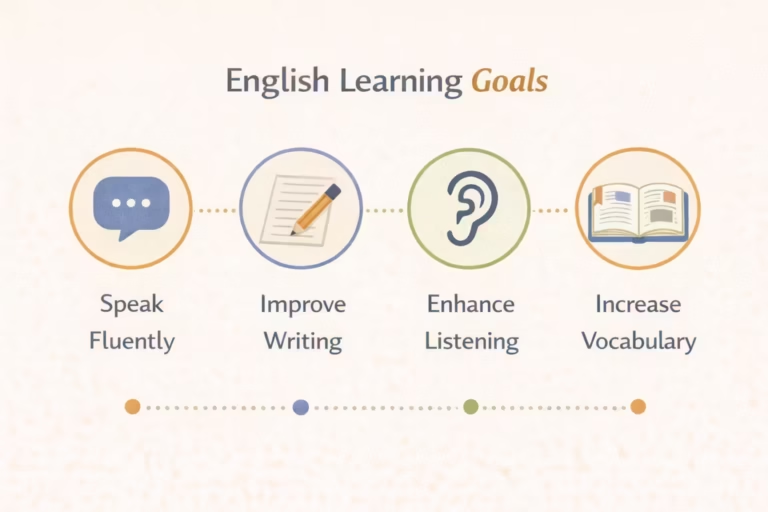
    Introduction: Why Most English Learners Give Up Too Soon Have you ever started learning English with a lot of excitement, only to feel frustrated a few weeks later? You are not alone. Every year, thousands of students, job seekers, and ESL learners set English learning goals like “I want to be fluent in three months” or “I will speak like a native speaker by next year.” These goals feel exciting at first. But soon, reality hits. Progress feels slow. Confidence drops. Many people quit. The real problem is not motivation. The problem is unrealistic goal setting. Learning how to set realistic English learning goals is one of the most important skills any language learner can develop. When your goals are clear, specific, and achievable, you make…

  • ·

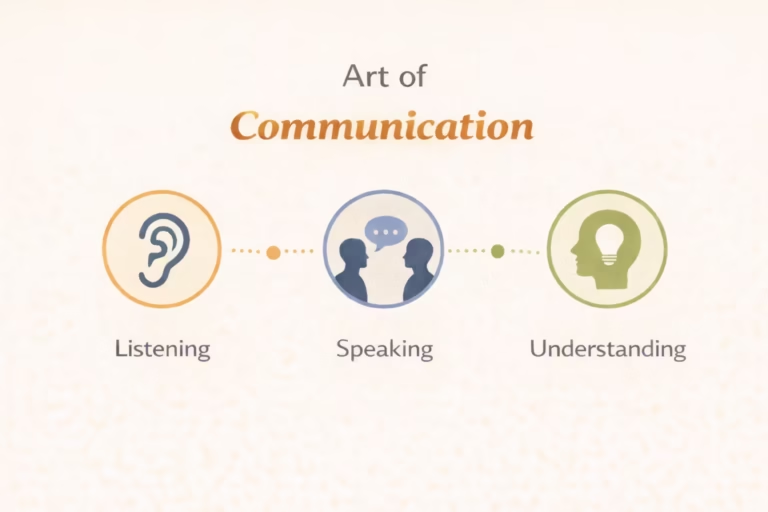
    How to Master the Art of Communication 2026

    Have you ever left a conversation replaying it in your head, wishing you’d said something differently? You’re not alone. Whether it’s a tense email at work, an awkward silence on a video call, or a misunderstanding with someone you love, communication struggles touch every part of life. The good news? Communication isn’t a talent you’re born with. It’s a skill — and like any skill, you can learn it, practice it, and get remarkably good at it. In this guide, you’ll learn: What effective communication really means (and why it matters more in 2026) The core skills that separate great communicators from average ones Step-by-step techniques for listening, speaking, and writing clearly How to communicate well in a world of AI tools, hybrid work, and…

  • Irregular Verbs in English: A Simple Explanation with Examples

    Irregular verbs are one of the most challenging parts of English grammar for learners. Unlike regular verbs, they do not follow the simple “-ed” rule in the past tense. For example, we say “walk – walked,” but we say “go – went,” not “goed.” Because irregular verbs change in different ways, many students find them confusing. However, learning irregular verbs does not have to be difficult. With clear explanations, examples, and regular practice, you can understand and remember them easily. These verbs are very common in everyday English. Words like “eat,” “see,” “take,” “come,” and “make” are used in daily conversations, exams, and writing tasks. In this guide, you will learn what irregular verbs are, why they are different, and how to use them correctly…

  • 100 First Conditional Sentences in English with Examples

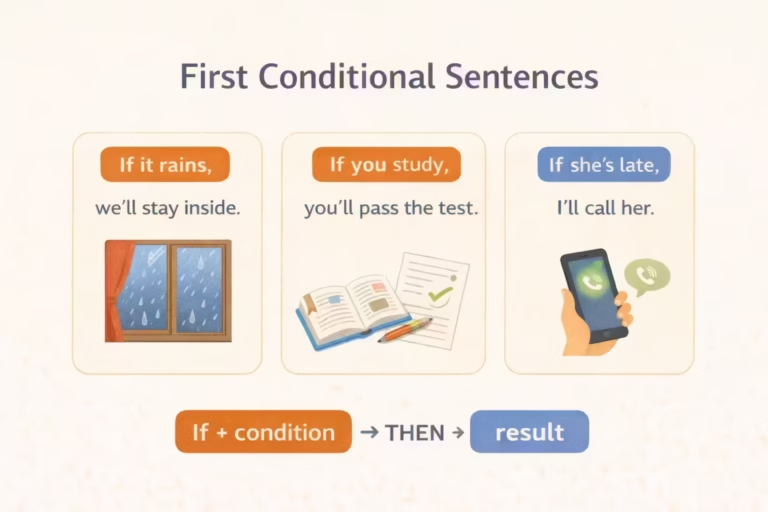
    The first conditional is used in English to talk about real and possible future situations and their results. It helps learners explain what will happen if a certain condition is met. Learning first conditional sentences makes it easier to talk about plans, warnings, promises, and everyday situations. This blog post, “100 First Conditional Sentences in English,” is specially created for students, beginners, and ESL learners. In this post, you will find easy and practical examples of first conditional sentences used in daily life. These sentences will help you understand the structure and use it correctly in speaking and writing. This post is helpful for: English beginners and ESL learners Kids, school, and college students Working professionals English teachers and future teachers General Situations If you…

  • ·

    7 Surprising Benefits of Learning English for Students and Professionals

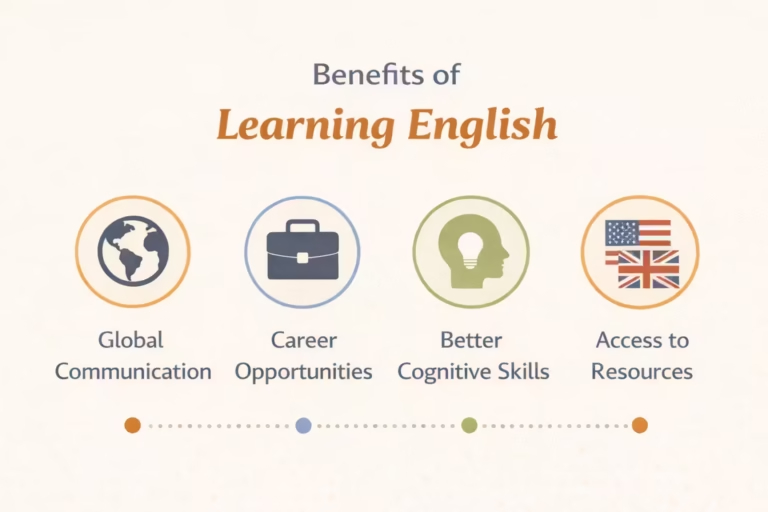
    English is often called a “global language,” but knowing that fact and understanding what it actually means for your life are two different things. If you’ve ever wondered whether the time and effort of learning English is really worth it, this article will give you a clear, honest answer. Beyond the obvious advantages—like being able to travel more easily or watch shows without subtitles—there are surprising benefits that touch your career, your brain health, and even how you think. In this guide, you’ll learn seven research-backed and real-world benefits of learning English, practical examples of how they show up in daily life, and answers to common questions students and professionals ask about language learning. Why English Specifically Matters English is the most widely used language…

  • Mastering English Restaurant Phrases Like a Pro

    Introduction: Never Feel Nervous at a Restaurant Again Imagine sitting at a nice restaurant in the United States, United Kingdom, or Australia. The waiter walks over and asks, “Are you ready to order?” Your mind goes blank. You don’t know what to say. You feel embarrassed. This happens to millions of English learners every day. But here’s the good news — mastering English restaurant phrases like a pro is not as hard as you think. With the right words and a little practice, you can walk into any restaurant and feel completely confident. Whether you are a student studying abroad, a professional traveling for work, or someone preparing for a job in the hospitality industry, this guide is for you. You will learn exactly what…

  • The Evolution of English Slang in 2026: New Words and Trends Explained

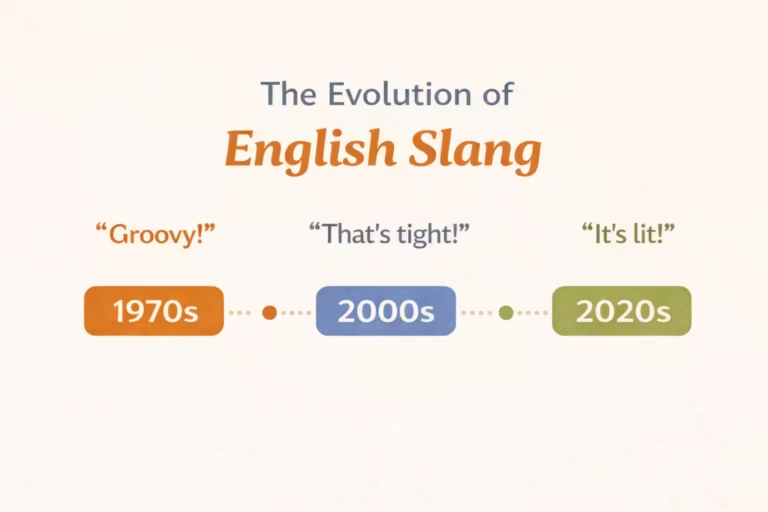
    English slang is changing faster than ever, and 2026 is shaping the way people speak, text, and express themselves online and offline. From social media trends and memes to influencer culture and global conversations, slang has become a powerful part of modern English communication. In this post, “The Evolution of English Slang in 2026,” we explore how new slang words are created, how old expressions change meaning, and why digital platforms play a major role in shaping everyday language. This guide is especially useful for English learners, teachers, content creators, and anyone who wants to understand real-world English. By learning modern slang, you can sound more natural, understand online conversations better, and stay updated with how English is actually used today. Let’s dive into the…