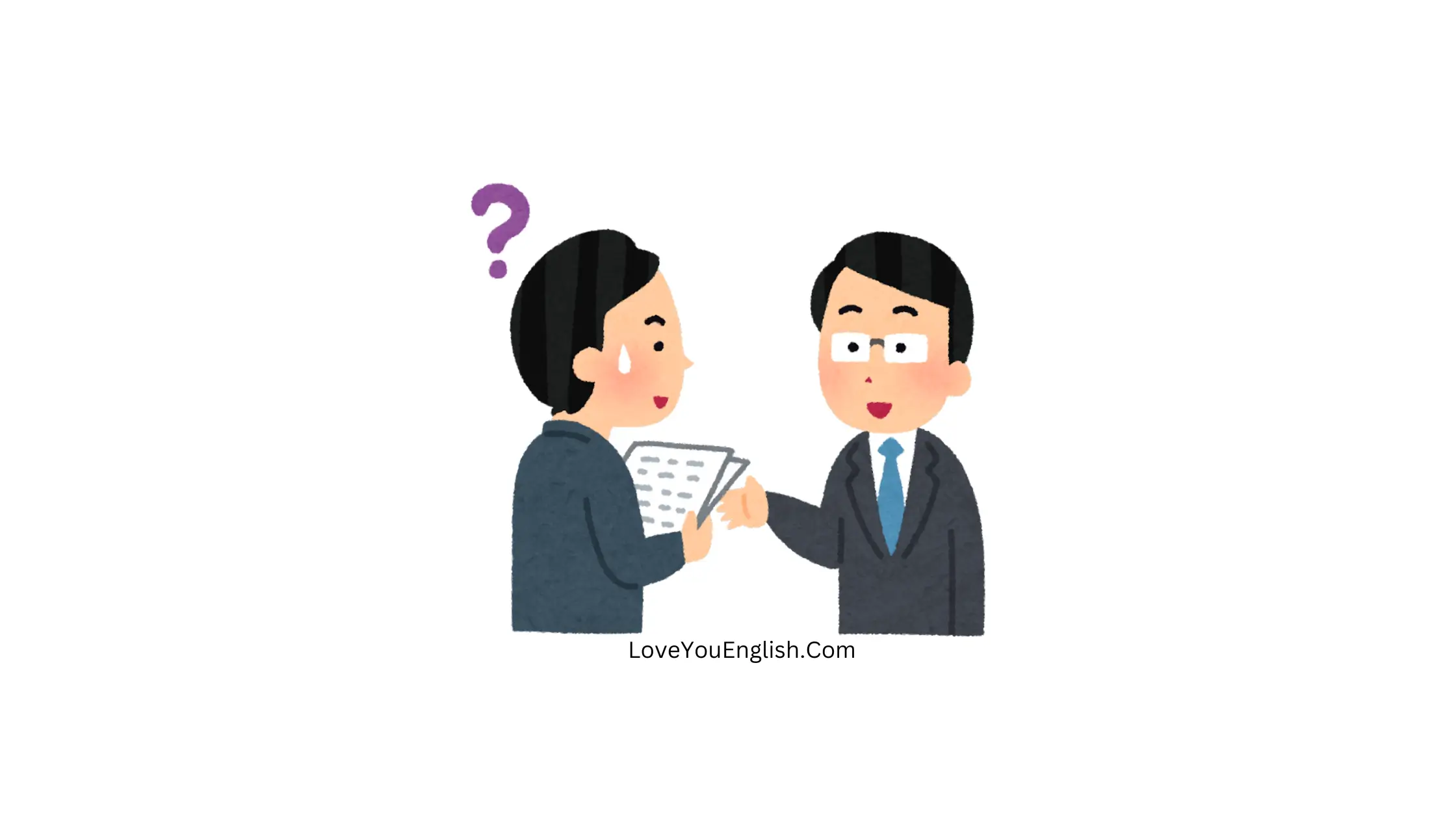
Work stress is a common problem in today’s fast-paced life. Many people feel pressure because of heavy workloads, tight deadlines, and high expectations.
Talking about stress and asking for support can make a big difference.
In these dialogues, two people have an honest and supportive conversation about work stress. The language is natural, polite, and useful for everyday English.
These dialogues help learners understand how to express stress, offer support, and give practical advice in a friendly way.
This topic is part of our English Conversation Practice for English learners.
English Dialogues About Work Stress
Person A: Hey, can I talk to you about something that’s been bothering me?
Person B: Of course, what’s going on?
Person A: I’ve been feeling really stressed at work lately. It’s becoming overwhelming.
Person B: I’m sorry to hear that. What’s causing the stress?
Person A: It’s a mix of things. Deadlines are tighter, my workload keeps increasing, and I feel like I’m always under pressure to perform.
Person B: That sounds tough. Have you talked to your manager about it?
Person A: Not yet. I’m worried they’ll think I can’t handle my work.
Person B: I get that, but sometimes managers are more understanding than we think. It could help to explain what you’re feeling and see if they can make any changes.
Person A: You’re right. I just don’t want to sound like I’m complaining.
Person B: It’s not complaining if you’re struggling. It’s important to talk about it. Maybe they can reduce your workload or extend some deadlines.
Person A: That makes sense. I’ll think about it. What do you do when you’re stressed at work?
Person B: I try to take short breaks to clear my mind. A quick walk or stretching helps. Also, I focus on one task at a time instead of trying to do everything at once.
Person A: I need to get better at taking breaks. I usually push through, but that might be adding to my stress.
Person B: Definitely. Taking breaks can actually boost productivity. And remember to take care of yourself outside of work too. Exercise and time with friends can really help with stress.
Person A: Yeah, I could use more balance. It feels like work is taking over everything.
Person B: It’s important to set boundaries. Maybe set a specific time to stop working. If it gets too much, talking to a counselor might help.
Person A: That’s a good idea. I’ll try to set boundaries and maybe talk to someone. Thanks for listening.
Person B: Anytime. Don’t hesitate to reach out if you need to talk more. We’re all in this together.
English Dialogues About Work Stress – 2
Person A: Hey, do you have a minute? I’ve been feeling really stressed out at work.
Person B: Sure, what’s going on?
Person A: It’s been a lot lately. The expectations are so high, and I feel like I can’t keep up. I’m always worried about falling behind or making mistakes.
Person B: That sounds tough. Do you know what’s causing the most stress?
Person A: Mainly the workload and constant deadlines. Plus, there’s a lot of pressure from higher-ups to deliver fast results.
Person B: That’s a lot. Have you talked to your boss about how you’re feeling?
Person A: Not really. I’m afraid they’ll see it as a weakness or think I’m not capable.
Person B: I understand, but it’s important to communicate. You might be surprised by how understanding they can be. They might help lighten your workload or adjust deadlines.
Person A: Maybe. I just don’t want to make things worse.
Person B: It’s not about making things worse; it’s about finding a way to work without burning out. Have you tried any stress management techniques?
Person A: I’ve tried deep breathing and meditation, but it’s hard to keep doing them when I’m so busy.
Person B: Those are good. Maybe breaking tasks into smaller steps and prioritizing them could help. Sometimes just writing everything down makes things feel less overwhelming.
Person A: That sounds helpful. I’ll try breaking things down more.
Person B: Also, make sure you’re taking care of yourself outside of work. Regular exercise, hobbies, and spending time with others can reduce stress.
Person A: Yeah, I’ve been neglecting those. I’ve been so focused on work that I forgot to care for myself.
Person B: It happens. Remember, you’re more than your job. Taking care of your health will help you be more productive too.
Person A: You’re right. I need to find a better balance. Maybe I’ll start with small changes.
Person B: That sounds like a good plan. And if you ever need to talk, I’m here for you.
Person A: Thanks, I feel better just talking about it.
Person B: Anytime. We’re all in this together. You’ve got this.
Useful English Phrases from the Dialogues
Starting a Serious Conversation
-
Can I talk to you about something?
-
Do you have a minute?
-
Something that’s been bothering me
-
I’ve been feeling really stressed at work
Expressing Stress & Feelings
-
It’s becoming overwhelming
-
I feel like I’m always under pressure
-
I can’t keep up
-
I’m always worried about falling behind
-
It feels like work is taking over everything
-
I’ve been feeling really stressed out
Explaining the Reasons
-
Deadlines are tighter
-
My workload keeps increasing
-
There’s a lot of pressure to perform
-
The expectations are so high
-
Constant deadlines
Showing Empathy & Support
-
I’m sorry to hear that
-
That sounds tough
-
I get that
-
That’s a lot to deal with
-
I understand how you feel
Giving Advice & Suggestions
-
Have you talked to your manager about it?
-
It could help to explain how you’re feeling
-
Maybe they can reduce your workload
-
You might be surprised how understanding they are
-
Try focusing on one task at a time
-
Breaking tasks into smaller steps helps
Talking About Fear & Doubt
-
I’m worried they’ll think I can’t handle my work
-
I don’t want to sound like I’m complaining
-
I’m afraid they’ll see it as a weakness
Stress Management & Self-Care
-
Take short breaks to clear your mind
-
A quick walk or stretching helps
-
Exercise and time with friends help
-
Set boundaries at work
-
Set a specific time to stop working
-
Talking to a counselor might help
Encouragement & Reassurance
-
It’s not complaining if you’re struggling
-
Taking breaks can boost productivity
-
You’re more than your job
-
Small changes can help
-
You’ve got this
Ending the Conversation Politely
-
Thanks for listening
-
I feel better just talking about it
-
Anytime
-
Don’t hesitate to reach out
-
We’re all in this together
FAQs About Work Stress Conversations in English
What are work stress conversations in English?
Work stress conversations are real-life dialogues where people talk about job pressure, workload, deadlines, and emotional challenges, while also discussing solutions and support.
Why is it important to talk about work stress?
Talking about work stress helps you:
- Reduce mental pressure
- Find solutions
- Get emotional support
- Improve communication at work
What are common causes of work stress?
Common causes include:
- Heavy workload
- Tight deadlines
- High expectations
- Lack of work-life balance
- Job insecurity
How can I start a conversation about work stress?
You can say:
- Can I talk to you about something?
- I’ve been feeling stressed at work
- Do you have a minute?
How can I express stress in English?
You can say:
- I feel overwhelmed
- I’m under a lot of pressure
- I can’t keep up
- Work is taking over everything
How can I explain the reasons for my stress?
You can say:
- My workload is increasing
- Deadlines are too tight
- There is too much pressure to perform
How can I respond when someone shares stress?
You can say:
- I understand how you feel
- That sounds tough
- I’m sorry to hear that
- You’re not alone
What are polite ways to give advice?
Examples include:
- Maybe you can try…
- It might help if…
- Have you talked to your manager?
- You could consider…
How can I manage work stress effectively?
You can:
- Take short breaks
- Focus on one task at a time
- Set boundaries
- Exercise regularly
- Talk to someone
What is the role of communication in managing stress?
Communication helps:
- Share concerns
- Reduce misunderstandings
- Get support
- Improve work environment
How can I talk to my manager about stress?
You can:
- Explain your workload
- Share your challenges
- Suggest solutions
- Stay calm and professional
What phrases are used for encouragement?
Examples include:
- You’ve got this
- Take it one step at a time
- Small changes can help
- You’re doing your best
How do these dialogues improve English speaking?
They help learners:
- Practice real-life situations
- Learn emotional vocabulary
- Improve fluency
- Build confidence
What are common mistakes in stress conversations?
Avoid:
- Being too negative
- Not explaining clearly
- Using rude language
- Ignoring others’ feelings
How can beginners practice these conversations?
Beginners can:
- Practice role-play
- Repeat dialogues
- Learn key phrases
- Speak with friends
Why is empathy important in these conversations?
Empathy helps:
- Build trust
- Show understanding
- Strengthen relationships
How can I stay calm while talking about stress?
You can:
- Speak slowly
- Use simple language
- Take deep breaths
- Focus on solutions
Are work stress conversations useful for professional English?
Yes, they help in:
- Workplace communication
- Team discussions
- Conflict resolution
- Emotional expression
How can I improve fluency in this topic?
You can:
- Practice daily
- Use real-life examples
- Learn phrases in context
- Speak confidently
What is the best way to manage stress and improve communication?
The best way is:
- Stay organized
- Communicate clearly
- Take care of your health
- Practice speaking regularly