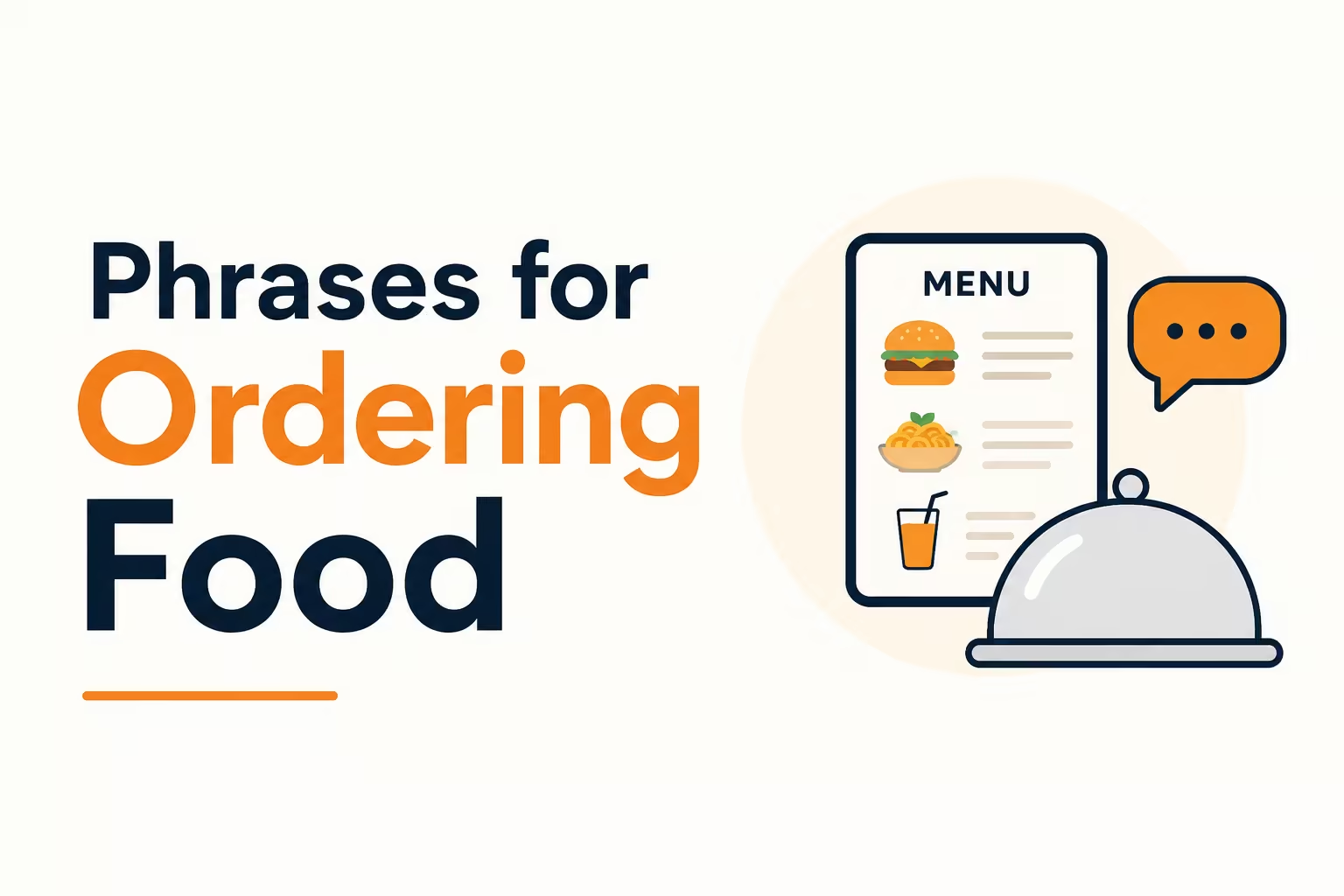
English Phrases for Ordering Food
At the Restaurant
- I’d like a table for two.
- A table for one, please.
- Do you have any tables available?
- Can we sit by the window?
- We’d like to sit outside.
- Is this seat taken?
- Can we have a menu, please?
- Could we see the drinks menu?
- Are you ready to order?
- We’d like to order now.
Asking About the Menu
- What’s today’s special?
- What do you recommend?
- What’s your most popular dish?
- Is this dish spicy?
- Does this contain nuts?
- Is this vegetarian?
- Is this vegan?
- Is this gluten-free?
- Is this dairy-free?
- What’s in this dish?
- How is this prepared?
- Is it freshly made?
- Is this available today?
- What’s the portion size?
- Can you tell me more about this dish?
Ordering Food
- I’d like the chicken sandwich.
- I’ll have the grilled fish.
- Can I get a cheeseburger?
- I’d like a bowl of soup.
- I’ll take the pasta.
- I’d like a salad.
- Can I have a pizza?
- I’ll have the steak.
- I’d like the seafood platter.
- Can I order the special?
Ordering Drinks
- I’d like a glass of water.
- Can I have a coffee?
- I’ll have tea, please.
- I’d like orange juice.
- Can I get a soft drink?
- I’d like a milkshake.
- I’ll have a lemonade.
- Can I have sparkling water?
- I’d like an iced tea.
- I’ll have hot chocolate.
Making Requests
- No onions, please.
- Extra cheese, please.
- Less salt, please.
- No sugar, please.
- Can I have it without sauce?
- Can you make it spicy?
- Can you make it less spicy?
- Can I have extra vegetables?
- Please add mushrooms.
- Can I substitute the fries?
Asking About Ingredients
- Does this have eggs?
- Is there any cheese in this?
- Does it contain seafood?
- Is this made with fresh ingredients?
- Is it cooked in butter?
- Is there garlic in this?
- Does this have pork?
- Is the meat halal?
- Is this homemade?
- Is it organic?
During the Meal
- This looks delicious.
- Everything smells great.
- The food is amazing.
- This is very tasty.
- It’s a little spicy.
- It’s too salty.
- It’s too sweet.
- It’s perfect.
- I love this dish.
- This is my favorite.
Asking for More
- Can I have some ketchup?
- Could I get more napkins?
- Can I have another fork?
- I’d like another spoon.
- Could I have more water?
- Can I get extra bread?
- May I have some butter?
- Could you bring some ice?
- Can I have another drink?
- More sauce, please.
If There’s a Problem
- I didn’t order this.
- This isn’t what I asked for.
- My food is cold.
- This is overcooked.
- This is undercooked.
- There’s a mistake with my order.
- Could you replace this?
- Can you fix this, please?
- I’d like to speak to the manager.
- Could I get a different dish?
Fast Food
- I’d like a combo meal.
- Can I make it a large?
- Medium size, please.
- Small fries, please.
- No ice, please.
- Extra pickles, please.
- I’ll take it to go.
- I’ll eat here.
- Can I have dipping sauce?
- That’s everything.
Ordering Dessert
- I’d like some ice cream.
- Can I see the dessert menu?
- I’ll have chocolate cake.
- I’d like apple pie.
- Can I get a brownie?
- I’ll have cheesecake.
- Is the dessert homemade?
- I’d like fruit salad.
- Can we share a dessert?
- I’ll skip dessert.
Asking for the Bill
- Can I have the bill, please?
- Could we get the check?
- We’d like to pay now.
- Can I pay by card?
- Do you accept cash?
- Can we split the bill?
- I’ll pay for everyone.
- Keep the change.
- I need a receipt.
- Thank you for the meal.
Ordering Takeout
- I’d like to place a takeaway order.
- I’d like to order food for pickup.
- Can you pack it to go?
- How long will it take?
- Is my order ready?
- I’d like home delivery.
- Can you deliver to my address?
- What is the delivery fee?
- Can I track my order?
- My order hasn’t arrived yet.
At a Café
- I’d like a cappuccino.
- Can I have a latte?
- I’ll take an espresso.
- I’d like a muffin.
- Can I have a croissant?
- I’ll have a sandwich.
- I’d like a cookie.
- Can I get a slice of cake?
- Is this freshly baked?
- I’ll have the breakfast special.
Breakfast Orders
- I’d like scrambled eggs.
- I’ll have pancakes.
- Can I get French toast?
- I’d like oatmeal.
- I’ll take bacon and eggs.
- Can I have toast?
- I’d like fresh fruit.
- I’ll have cereal.
- Can I get yogurt?
- I’d like a breakfast burrito.
Lunch and Dinner
- I’ll have the lunch special.
- I’d like grilled chicken.
- Can I get a bowl of rice?
- I’d like roasted vegetables.
- I’ll have a bowl of noodles.
- Can I have curry?
- I’d like fried rice.
- I’ll take a sandwich.
- I’d like mashed potatoes.
- I’ll have grilled salmon.
Healthy Choices
- I’d like a healthy meal.
- Can I have a salad instead?
- No dressing, please.
- Dressing on the side, please.
- I’d like steamed vegetables.
- Can I have brown rice?
- I’d like grilled chicken.
- No butter, please.
- I’d like fresh juice.
- Can I have fruit instead?
Polite Expressions
- Please.
- Thank you.
- You’re welcome.
- Excuse me.
- Sorry to bother you.
- Could you help me?
- I’d appreciate it.
- That would be great.
- Thanks for your service.
- Have a nice day.
Casual Dining
- Let’s order.
- I’m hungry.
- This place looks nice.
- The menu looks great.
- What are you having?
- That sounds delicious.
- I’ll try that.
- Good choice.
- Enjoy your meal.
- Bon appétit!
Ordering Pizza
- I’d like a large pizza.
- Can I choose my toppings?
- Extra cheese, please.
- No olives, please.
- Thin crust, please.
- Thick crust, please.
- Half pepperoni, half cheese.
- Can I add mushrooms?
- I’d like garlic bread too.
- That’s my order.
Common Restaurant Expressions
- I’m ready to order.
- We need a few more minutes.
- Could you come back later?
- The food was excellent.
- Everything was perfect.
- The service was wonderful.
- We’d love to come back.
- I really enjoyed the meal.
- The portions are generous.
- The prices are reasonable.
Food Delivery
- I’d like to order online.
- Is delivery available?
- Can you deliver within an hour?
- Please leave it at the door.
- I’ll pay online.
- My order is missing an item.
- The delivery was quick.
- The food arrived hot.
- Thank you for the delivery.
- Everything is correct.
Everyday Food Phrases
- I’m starving.
- I’m really hungry.
- I’m full.
- I’m thirsty.
- This tastes great.
- It’s delicious.
- It’s flavorful.
- It’s freshly cooked.
- It’s perfectly seasoned.
- I can’t wait to eat.
Ending the Meal
- That was wonderful.
- I really enjoyed it.
- Thanks for the excellent service.
- We’ll be back.
- Have a great evening.
- Goodbye.
- See you next time.
- Thanks again.
- Everything was fantastic.
- We had a lovely meal.
- Take care.
- Have a nice day.
- Safe travels.
- Thanks for everything.
- See you soon!
📚 Continue Learning English
Choose your next lesson and keep improving your English skills with our free English learning resources.