English Vocabulary: 40 Sports & Fitness-Related Words helps learners talk confidently about exercise, health, and physical activities. Sports and fitness are common topics in daily conversations, essays, and lifestyle discussions. This article introduces useful vocabulary related to workouts, sports equipment, training, and healthy habits in simple English. It is perfect for students, ESL learners, and fitness enthusiasts who want to improve their speaking and writing skills. Learning sports vocabulary also supports better communication in health-related topics and exam answers.
Table of Contents
ToggleWhy Learn Sports and Fitness Vocabulary?
Before we dive into our word list, let’s talk about why this vocabulary matters.
Sports and fitness terms appear everywhere in daily life: from conversations with friends about weekend activities to news headlines about championship games.
When you understand these words, you can participate more fully in English-speaking cultures, make new friends at the gym, and even improve your own health by following English-language workout videos or fitness apps.
Getting Started: Basic Sports Vocabulary
Let’s begin with fundamental terms that every English learner should know. These words form the foundation of sports-related conversations.
1. Athlete
An athlete is a person who plays sports or exercises regularly, often with skill and training. Example: “She’s a talented athlete who excels at swimming.”
2. Coach
A coach teaches and trains athletes or sports teams. They provide guidance and strategy. Example: “Our basketball coach helped us win the championship.”
3. Team
A group of people who play a sport together. Example: “I joined the soccer team at my school.”
4. Opponent
The person or team you’re competing against. Example: “Our opponents were very strong, but we played our best.”
5. Score
The number of points earned in a game. Example: “The final score was 3-2.”
6. Win
To defeat your opponent and achieve victory. Example: “Did your team win the match yesterday?”
7. Lose
To be defeated in a competition. Example: “It’s okay to lose sometimes; what matters is learning from it.”
8. Tie/Draw
When both teams finish with the same score. Example: “The game ended in a tie at 1-1.”
9. Tournament
A competition involving multiple teams or players, usually over several days. Example: “The tennis tournament attracts players from around the world.”
10. Championship
The final competition to determine the best team or player. Example: “They won the championship after an exciting final game.”
Equipment and Gear Vocabulary
Understanding equipment terms helps you talk about what you need for different sports and activities.
11. Ball
A round object used in many sports like soccer, basketball, and tennis. Example: “Pass me the ball!”
12. Racket
Equipment used to hit a ball in tennis, badminton, or squash. Example: “I need to restring my tennis racket.”
13. Bat
A wooden or metal stick used in baseball and cricket. Example: “He hit a home run with his new bat.”
14. Helmet
Protective headgear worn in sports like cycling, football, and hockey. Example: “Always wear a helmet when riding your bike.”
15. Sneakers/Trainers
Athletic shoes designed for sports and exercise. Example: “I bought new sneakers for running.”
16. Uniform
The special clothing worn by team members. Example: “Our team uniform is blue and white.”
17. Goggles
Protective eyewear worn for swimming or skiing. Example: “Don’t forget your goggles for swim practice.”
18. Mat
A padded surface used for gymnastics, yoga, or martial arts. Example: “Roll out your yoga mat and let’s begin.”
Action Words for Sports
These verbs describe what athletes do during sports and exercise.
19. Run
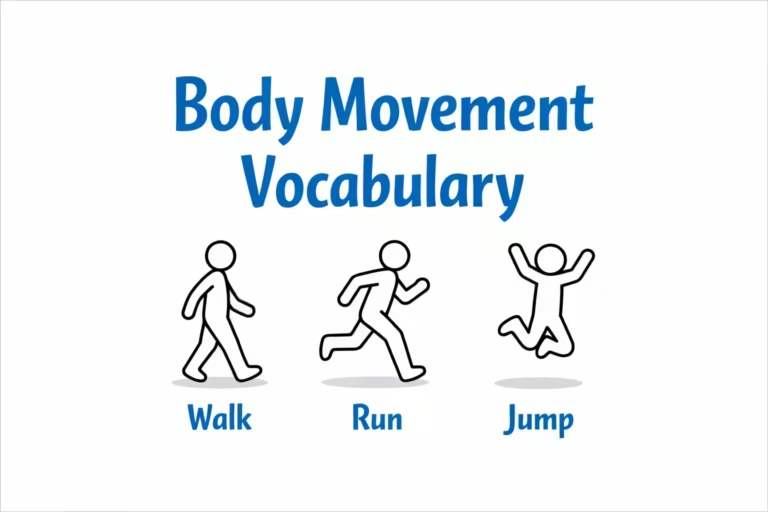
To move quickly on foot. Example: “I run five kilometers every morning.”
20. Jump
To push yourself off the ground with your legs. Example: “Basketball players need to jump high.”
21. Kick
To strike something with your foot. Example: “He kicked the ball into the goal.”
22. Throw
To propel something through the air with your hand. Example: “Can you throw the ball to me?”
23. Catch
To grab something that’s moving through the air. Example: “Great catch! You really saved that goal.”
24. Stretch
To extend your muscles before or after exercise. Example: “Always stretch before running to prevent injuries.”
25. Warm up
To prepare your body for exercise with light activity. Example: “We warm up for ten minutes before practice.”
26. Cool down
To gradually reduce exercise intensity at the end of a workout. Example: “Don’t forget to cool down after your run.”
Fitness and Gym Vocabulary
These terms are essential for anyone who goes to the gym or follows workout routines.
27. Workout
A session of physical exercise. Example: “I had an intense workout at the gym today.”
28. Cardio
Short for cardiovascular exercise, which strengthens your heart and lungs. Example: “Running and cycling are great cardio activities.”
29. Strength training
Exercises designed to build muscle strength, often using weights. Example: “I do strength training three times a week.”
30. Repetition (Rep)
One complete movement of an exercise. Example: “Do three sets of ten repetitions.”
31. Set
A group of repetitions performed consecutively. Example: “Rest for 30 seconds between sets.”
32. Weights
Heavy objects lifted during strength training. Example: “I’m gradually increasing the weights I use.”
33. Treadmill
A machine for walking or running indoors. Example: “I prefer running on the treadmill when it’s raining.”
34. Flexibility
The ability to bend and move your body easily. Example: “Yoga improves your flexibility.”
Competition and Performance Terms
These words help you discuss how well someone performs in sports.
35. Record
The best performance ever achieved in a sport. Example: “She broke the world record for the 100-meter sprint.”
36. Personal best
Your own best performance in an activity. Example: “I achieved a personal best in today’s race!”
37. Stamina
The ability to sustain physical effort over time. Example: “Marathon runners need excellent stamina.”
38. Technique
The specific way of performing a sports skill correctly. Example: “Proper technique prevents injuries and improves performance.”
39. Endurance
The capacity to continue exercising for extended periods. Example: “Cycling builds both strength and endurance.”
40. Competitive
Having a strong desire to win and be the best. Example: “She’s very competitive and always gives 100% effort.”
Practical Tips for Learning Sports Vocabulary
Now that you’ve seen these 40 essential words, here are some proven strategies to help you remember and use them effectively:
For Beginners:
- Start with 5-10 words per week rather than trying to learn all 40 at once
- Watch sports videos with English subtitles to see these words in context
- Label objects around your home or gym with their English names
- Practice simple sentences like “I play soccer” or “I go to the gym”
For Advanced Learners:
- Read sports articles in English newspapers or websites
- Listen to sports podcasts or commentary to hear natural usage
- Join online forums or social media groups about your favorite sports
- Try explaining the rules of your favorite sport in English to a friend
For Everyone:
- Use flashcards or apps like Anki to review vocabulary regularly
- Join a sports club or gym where English is spoken
- Keep a vocabulary journal specifically for sports terms
- Don’t be afraid to make mistakes—every error is a learning opportunity
Putting It All Together
Learning sports and fitness vocabulary opens up new opportunities for communication and connection. Whether you’re cheering for your favorite team, starting a new exercise routine, or simply chatting with friends about weekend plans, these 40 words will serve you well.
Remember that language learning is itself like a sport—it requires practice, patience, and persistence. You wouldn’t expect to run a marathon without training, and you shouldn’t expect to master vocabulary overnight. Set realistic goals, celebrate small victories, and most importantly, enjoy the journey.
The beautiful thing about sports vocabulary is that you can practice it while staying healthy and having fun. Next time you exercise or watch a game, try using some of these new words. You might be surprised at how quickly they become part of your natural vocabulary.
Keep practicing, stay active, and before you know it, you’ll be discussing sports and fitness in English with confidence and ease!