English Teaching Resources and Classroom Activities

English Teaching Resources: Lesson Plans, Activities, and Materials for Teachers

English teaching resources are essential for creating engaging and effective lessons. Whether you are a school teacher, ESL instructor, or online tutor, using the right teaching materials can make learning easier and more enjoyable for students.

In this category, you will find practical and easy-to-use English teaching resources. These include lesson plans, classroom activities, worksheets, and teaching strategies designed to help teachers deliver effective and interactive lessons.

Good teaching is not just about explaining concepts. It is about engaging students, encouraging participation, and making learning meaningful.

What You Will Find in English Teaching Resources

This section covers a wide range of teaching materials and strategies, including:

  • Lesson plans for different topics and levels
  • Classroom activities and games
  • Worksheets and practice exercises
  • Speaking and communication activities
  • Grammar and vocabulary teaching ideas
  • Interactive teaching techniques
  • Online teaching resources and tools
  • Classroom management tips

Each resource is designed to help teachers save time and deliver effective lessons with ease.

Why English Teaching Resources Are Important

Using the right teaching resources helps you:

  • Create engaging and interactive lessons
  • Improve student participation and interest
  • Teach concepts clearly and effectively
  • Save time in lesson planning
  • Adapt lessons for different learning levels
  • Improve overall teaching quality

Effective teaching resources make learning more enjoyable and productive for both teachers and students.

Teach English with Practical Methods

At Love You English, we focus on practical teaching approaches. You will find resources that help you:

  • Plan structured and effective lessons
  • Engage students with interactive activities
  • Improve speaking and communication skills in class
  • Use real-life examples for better understanding
  • Teach both online and offline effectively

These practical methods help you create a positive and effective learning environment.

English Teaching Resources for All Levels

This category is useful for:

  • School teachers and educators
  • ESL and EFL teachers
  • Online tutors and trainers
  • New teachers looking for guidance
  • Experienced teachers looking for new ideas

All resources are simple, practical, and easy to use in real classroom situations.

Improve Your Teaching Skills Step by Step

Teaching becomes more effective when you use the right strategies and resources. By applying these techniques regularly, you can improve your teaching skills and student outcomes.

With the right resources, you can:

  • Plan better and more organized lessons
  • Increase student engagement and participation
  • Teach complex topics in a simple way
  • Improve classroom communication
  • Create a positive learning environment

Explore the resources below and start improving your English teaching skills today.

Use the right resources, teach effectively, and make learning enjoyable.


Frequently Asked Questions (FAQs)

What are English teaching resources?

English teaching resources are materials and tools such as lesson plans, worksheets, activities, and strategies that help teachers teach effectively.

Why are teaching resources important?

Teaching resources are important because they make lessons more engaging, improve understanding, and help teachers save time.

What types of teaching resources are included?

This includes lesson plans, classroom activities, worksheets, speaking exercises, and teaching strategies.

Who can use these teaching resources?

Teachers, tutors, trainers, and anyone involved in teaching English can use these resources.

Are these resources useful for online teaching?

Yes, many resources can be used for both online and offline teaching.

How can I improve my teaching skills?

You can improve by using effective resources, planning lessons, engaging students, and practicing regularly.

Are these resources suitable for beginners?

Yes, both new and experienced teachers can benefit from these resources.

How do teaching resources help students?

They help students understand concepts better, stay engaged, and improve their learning experience.

Teach clearly. Teach confidently. Teach effectively.

For more English learning resources, visit
Love You English.

  • Best Resources to Teach English as a Second Language

    Teaching English as a second language is one of the most rewarding jobs you can have. Over my 15 years as an ESL teacher, I’ve worked with students from 15+ countries, taught in classrooms from Tokyo to Mumbai, and helped thousands of learners gain confidence in speaking English. The question I hear most often from new teachers and self-learners is simple: “What are the best resources to teach English as a second language?” The answer depends on your teaching situation, your students’ goals, and whether you’re teaching online or in person. In this guide, I’ll share the proven resources I use every day in my classes, explain why they work, and show you how to use them effectively. These aren’t just random tools I found…
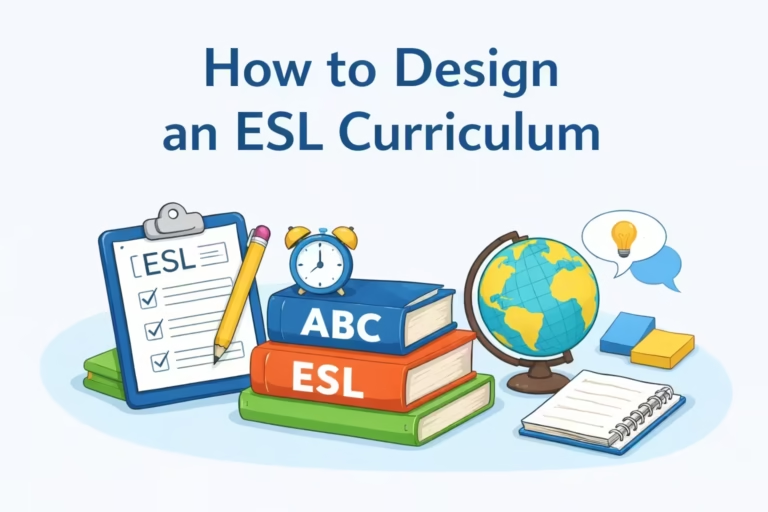
  • How to Design an ESL Curriculum for Beginner to Advanced Learners

    Introduction: Why ESL Curriculum Planning Matters Have you ever walked into an English class with no real plan — and felt the lesson fall apart in front of you? The topic drifts. Students look confused. Some finish early, others fall behind. By the end, you wonder if anyone actually learned anything. That is exactly the problem that strong ESL curriculum planning solves. ESL curriculum planning is the process of deciding what to teach, when to teach it, and how to teach it. When it is done well, every lesson has a clear purpose. Students build skills step by step. Progress becomes visible. And teaching becomes far less stressful. Whether you are a new English teacher, an experienced trainer moving your classes online, or a parent…

  • 5 Ways to Help Students Build Reflection Skills

    Learning doesn’t stop when the lesson ends. The real magic happens when students take time to think about what they’ve learned, how they learned it, and what they can do better next time. This process is called reflection, and it’s one of the most powerful tools for growth in education. As an English teacher with years of experience in both classroom and online settings, I’ve seen firsthand how reflection skills transform average learners into confident, independent students. When students develop strong reflection skills, they don’t just memorize information—they understand it deeply, remember it longer, and apply it more effectively in real-life situations. In this article, I’ll share five practical ways to help students build reflection skills. These methods work for all ages and learning environments,…

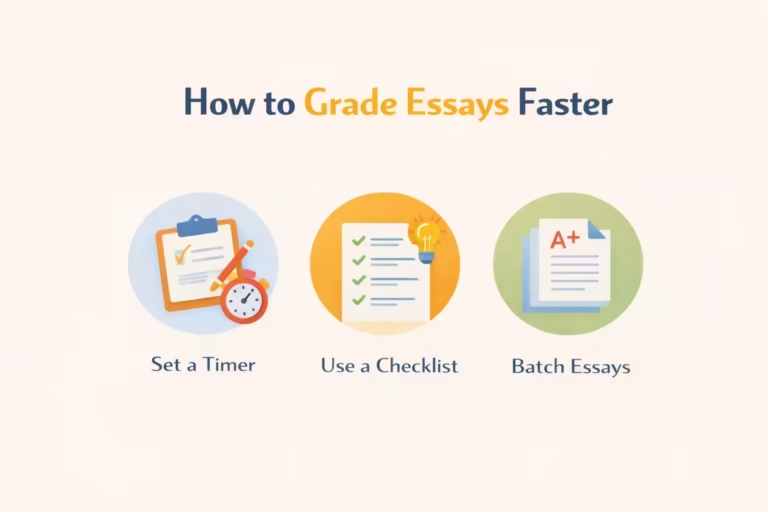
  • How to Grade Essays Faster Without Losing Quality

    As an English teacher who has graded thousands of essays over the years, I know the Sunday evening panic all too well. You’re staring at a stack of 30 student essays, your red pen is running low, and you’re wondering if you’ll ever see the bottom of that pile. I’ve been there countless times, both in my traditional classroom and while teaching online students from around the world. The truth is, grading essays faster isn’t about cutting corners or being less thorough. It’s about working smarter, not harder. After years of trial and error, I’ve developed strategies that help me grade essays more efficiently while still giving my students the detailed feedback they need to improve their writing. Whether you’re a new teacher drowning in…

  • Independent Reading Activities for Middle School ELA

    As a middle school English teacher for over a decade, I’ve watched countless students transform from reluctant readers into book lovers. The secret? Making independent reading activities for middle school ELA engaging, choice-driven, and meaningful. When students read independently with purpose, they build vocabulary, improve comprehension, and develop critical thinking skills that last a lifetime. In this guide, I’ll share proven independent reading strategies that work in real classrooms—both online and offline. These aren’t complicated lesson plans requiring hours of prep. They’re practical, student-centered activities that middle school English Language Arts teachers can implement tomorrow. Why Independent Reading Matters in Middle School ELA Middle school is a critical time for reading development. Students transition from “learning to read” to “reading to learn.” Unfortunately, this is…

  • ·

    How to Help Your Children with Their Tutoring Lessons

    As a teacher who has worked with hundreds of students in both classroom and online settings, I can tell you one simple truth: children learn best when their parents are involved. But here’s the challenge—many parents want to help their children with their tutoring lessons but don’t know where to start. You don’t need to be an expert in every subject. You don’t need a teaching degree. What you need is the right approach, some patience, and a willingness to support your child’s learning journey. In this guide, I’ll share practical strategies I’ve used successfully with parents over my years of teaching. These methods work whether your child is learning English, math, science, or any other subject through tutoring sessions. Understanding Your Role in Your…

  • Responsive Teaching Strategies for ELA Teachers

    Teaching English Language Arts (ELA) has changed dramatically in recent years. Students come to our classrooms with different abilities, backgrounds, and learning needs. As an English teacher with over a decade of classroom experience, I’ve learned that one-size-fits-all lessons simply don’t work anymore. This is where responsive ELA teaching strategies become essential. Responsive teaching means adjusting your instruction based on what your students actually need, not just what the curriculum says. It’s about watching, listening, and adapting in real-time. In this guide, I’ll share practical, proven strategies that work in real classrooms—both online and offline. These methods have helped my students improve their reading comprehension, writing skills, speaking confidence, and overall engagement with English. Whether you’re a new teacher, an experienced educator looking for fresh…

  • The 5 Whys Approach in Education: A Practical Teaching Guide

    Have you ever asked a student a question, only to receive a surface-level answer that barely scratches the topic? As an English teacher with over a decade of classroom experience, I’ve encountered this challenge countless times. That’s when I discovered the 5 Whys approach—a simple yet powerful questioning technique that transforms shallow responses into deep, meaningful discussions. This method doesn’t just improve critical thinking; it revolutionizes how students engage with language learning, particularly in developing spoken English skills and analytical abilities. What Is the 5 Whys Approach? The 5 Whys approach is a questioning technique originally developed by Toyota founder Sakichi Toyoda for problem-solving in manufacturing. However, educators worldwide have adapted this method to enhance student thinking and classroom discussions. Here’s how it works: when…

  • How to Teach Spoken English Effectively

    Teaching spoken English effectively requires more than explaining grammar rules. Students need opportunities to practice real conversations, build confidence, and use language naturally. The goal of teaching spoken English effectively is to help learners communicate clearly in everyday and professional situations. This means focusing on fluency, pronunciation, listening skills, and practical vocabulary. In this guide, How to Teach Spoken English Effectively, you will discover proven strategies to create engaging speaking activities, encourage student participation, and reduce fear of making mistakes. We will explore interactive classroom techniques, real-life conversation practice, and simple methods to improve pronunciation and confidence. Whether you teach beginners or advanced learners, this article will help you design dynamic speaking lessons that truly improve communication skills. Understanding How Spoken English is Learned Naturally…

  • Top Educational Tools for Teachers: A Complete Guide

    Top Educational Tools for Teachers: A Complete Guide Top Educational Tools for Teachers: A Complete Guide introduces modern tools that make teaching more effective and engaging. Today’s classrooms use technology to improve lesson planning, student interaction, and assessments. This guide explains useful digital tools for online and offline teaching in simple language. It is ideal for school teachers, trainers, and educators at all levels. These tools help save time, improve student participation, and support better learning outcomes. Whether you teach in a classroom or online, using the right educational tools can greatly enhance your teaching experience. What Are Educational Tools for Teachers? Before we dive into specific recommendations, let’s clarify what we mean by “educational tools.” Educational tools are digital platforms, software programs, or applications…