Spoken English

🗣 Spoken English – Improve Your Speaking Skills with Confidence

Spoken English is one of the most important skills for students, job seekers, and working professionals. If you want to speak English fluently and confidently, regular speaking practice is essential.

In this section, you can learn spoken English online through practical lessons, real-life dialogues, and structured conversation practice designed for everyday communication.

Why Spoken English Is Important

Improving your spoken English helps you:

  • Communicate clearly in daily conversations
  • Perform better in job interviews
  • Participate confidently in meetings
  • Improve pronunciation and fluency
  • Reduce fear of speaking English

Speaking confidently is not about using difficult words. It is about clarity, natural expressions, and regular practice.

What You Will Find in This Category

  • Daily English conversations
  • Real-life dialogues for practice
  • ESL conversation questions
  • Useful speaking phrases and expressions
  • Sentence practice for fluency
  • Interview and workplace communication practice

Each lesson is written in simple and clear English so that learners at different levels can practice independently.

Practice Spoken English for Real-Life Situations

This category focuses on practical usage. You will learn how to use English naturally in:

  • Daily conversations
  • Office communication
  • Travel situations
  • Social interactions
  • Presentations and interviews

With regular spoken English practice, you can build fluency and confidence step by step.

Suitable for All Learners

Whether you are:

  • A beginner starting to speak English
  • A student improving communication skills
  • A job seeker preparing for interviews
  • A working professional improving workplace English
  • An ESL learner practicing daily conversations

You will find structured lessons that help you improve naturally and confidently.

Build Confidence Through Practice

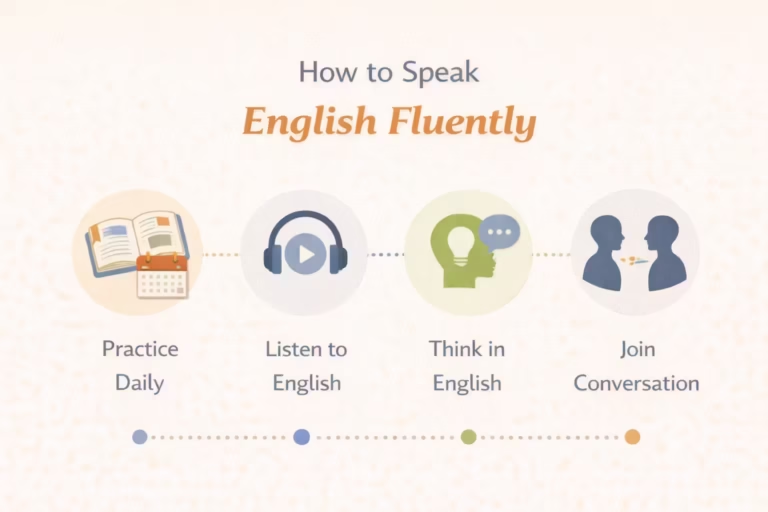
Fluency develops with regular practice and exposure. By practicing daily conversations and useful phrases, you can improve your English speaking skills and feel more confident in real-life communication.

Start exploring the lessons below and improve your spoken English step by step.

Practice daily. Speak confidently. Communicate clearly.

For more English learning resources, visit
Love You English.

  • ·

    Best Language Exchange Apps & Websites (Updated)

    Language learning is super exciting these days because of all the cool apps and websites that let people from different countries connect. Language exchange platforms give learners the opportunity to practice speaking, writing, and understanding a new language with native speakers. In exchange, they can help others learn their own language. This way of learning is not only fun but also really effective. In this post, I’m going to share the best language exchange apps and websites that can help you get better at your language skills. No matter if you’re just starting out or already know a lot, these platforms have something great for everyone. Let’s get started! This topic is part of our English Learning for English learners. Why Use Language Exchange Platforms?…

  • Daily English Dialogue Conversation Practice: Expressing Concern

    Daily English Dialogue Conversation Practice: Expressing Concern helps learners communicate care, worry, and support in everyday situations. Expressing concern is an important part of spoken English and is commonly used when talking about health, safety, work, family, or personal problems. Learning these dialogues helps English learners respond politely and empathetically. This conversation practice is ideal for daily spoken English, emotional communication, and ESL role-play activities. The dialogues use easy vocabulary, gentle expressions, and natural sentence patterns, making them suitable for beginners and intermediate learners. By practicing conversations about expressing concern, learners can improve their fluency, confidence, and ability to express feelings clearly in English. This topic is part of our English Dialogues for English learners. Daily English Dialogue Conversation Amit: Rekha, I’ve noticed you’ve seemed…

  • 150 Sentences with LEST in English for Spoken English

    The word “lest” is a formal conjunction in English used to express fear or prevention, meaning “so that something bad does not happen.” It is often found in written English, exams, and advanced grammar topics, but many learners find it confusing. Learning sentences with “lest” helps students understand formal English and use complex sentence structures correctly. This blog post, “150 Sentences with LEST in English,” is specially created for students, competitive exam learners, and ESL learners. In this post, you will find clear and practical English sentences using “lest” to show caution, fear, or prevention. These examples will help you understand the correct structure and improve your grammar, writing, and comprehension skills. This topic is part of our English Sentences for English learners. ✅ Everyday…

  • ESL Conversation: Taking the Bus (Spoken English Practice)

    ESL Conversations Taking the Bus help learners communicate confidently while using public transportation. Bus-related conversations often include asking about routes, fares, bus stops, timings, tickets, and seat availability. Learning these conversations prepares ESL learners for real-life travel situations in English-speaking environments. These dialogues are ideal for daily spoken English practice, travel English, and ESL role-play activities. They use easy vocabulary, polite expressions, and practical sentence structures, making them suitable for beginners and intermediate learners. By practicing bus travel conversations, learners can improve their fluency, confidence, and ability to communicate clearly in everyday English. This topic is part of our ESL Conversation Questions for English learners. ESL Conversations: Taking the Bus Sagar: Hey Pal, how’s it going? Pal: Not bad, Sagar. Just heading home from work….

  • American English Conversation Practice: At A Restaurant

    Eating at a restaurant is a common experience in daily life, especially in the United States. Customers often talk to servers about the menu, food preferences, special requests, prices, and the bill. Understanding how these conversations work in American English helps learners feel confident and comfortable while dining out. For English learners, restaurant conversations are one of the most practical real-life speaking situations. American English Conversation Practice: At a Restaurant helps learners practice natural and polite conversations used in U.S. restaurants. These dialogues include common situations such as asking for a table, ordering food and drinks, requesting changes, talking about taste, and paying the bill. The language is simple, polite, and follows American English style and expressions. By practicing these conversations, learners can improve speaking…

  • ·

    The Benefits of Learning English Abroad: Why Studying Overseas Improves Your English Skills

    Learning English abroad is one of the most effective ways to improve your language skills quickly and confidently. When you study in an English-speaking country, you are surrounded by real-life conversations, cultural experiences, and daily opportunities to practice. This full immersion helps you develop fluency, better pronunciation, and stronger listening skills much faster than studying only in a classroom. In this article, The Benefits of Learning English Abroad, we will explore how studying English overseas can boost your confidence, expand your vocabulary, and improve your career opportunities. You will also discover how cultural exposure, international networking, and real-world communication make a powerful difference in your language journey. If you want faster progress and a life-changing experience, learning English abroad could be the perfect step forward….

  • Daily English Dialogues: Meeting Friends (Practice Dialogue for Learners)

    Meeting friends is a part of everyday life. People meet friends to talk, relax, share news, and spend quality time together. During these meetings, they usually greet each other, ask about life, work or studies, and make plans. For English learners, this is one of the most useful topics to practice simple and natural spoken English. Daily English Dialogues: Meeting Friends help learners practice common expressions used in friendly and informal conversations. These dialogues include situations such as greeting a friend, asking how they are, talking about daily life, sharing updates, and planning to meet again. The language is easy, friendly, and suitable for beginners to intermediate learners. By practicing these dialogues, learners can improve speaking fluency, learn common daily expressions, and feel more confident…

  • Daily English Dialogue Conversations: Talking with Friends

    Daily English Dialogue Conversations: Talking with Friends helps learners speak comfortably and confidently in everyday social situations. Friendly conversations often include greetings, asking about daily life, sharing opinions, making plans, and expressing feelings. Practicing these dialogues helps English learners sound more natural and relaxed when talking with friends. This practice is ideal for daily spoken English, casual communication, and ESL role-play activities. The dialogues use easy vocabulary, friendly expressions, and short sentence patterns, making them suitable for beginners and intermediate learners. By practicing friend-to-friend conversations, learners can improve their fluency, confidence, and ability to communicate naturally in English. This topic is part of our English Dialogues for English learners. Daily English Dialogue Conversations: Talking with Friends Akshay: Hey Shilpa, how’s it going?   Shilpa: Hey…

  • English Dialogues Between Teacher and Student (Speaking Practice)

    English Dialogues Between Teacher and Student help learners understand and practice common classroom conversations. These dialogues include asking questions, requesting help, giving instructions, clarifying doubts, and responding politely. Learning teacher–student conversations makes classroom communication smoother and more confident in English. These dialogues are ideal for school students, ESL learners, and classroom role-play practice. They use easy vocabulary, polite expressions, and natural sentence patterns, making them suitable for beginners and intermediate learners. By practicing teacher–student dialogues, learners can improve their speaking skills, confidence, and classroom communication ability in English. This topic is part of our English Dialogues for English learners. English Dialogues Between Teacher and Student Teacher: Good morning! How are you today? Student: Good morning, I’m doing alright, thanks. Just a bit tired. Teacher: I…

  • English Dialogues: At a Restaurant / Grocery Story (Speaking Practice)

    English Dialogues: At a Restaurant / Grocery Store help learners communicate confidently while ordering food, shopping for groceries, and interacting politely with staff. These everyday situations require common English phrases such as asking for items, checking prices, ordering meals, making payments, and saying thank you. Practicing these dialogues prepares learners for real-life situations at restaurants and grocery stores. These dialogues are ideal for daily spoken English practice, travel English, and ESL role-play activities. They use easy vocabulary, short sentences, and practical expressions, making them suitable for beginners and intermediate learners. By practicing restaurant and grocery store conversations, learners can improve their fluency, confidence, and ability to communicate naturally in everyday English. This topic is part of our English Dialogues for English learners. English Dialogues: At…