Giving and receiving advice is an important part of everyday communication.
We ask for advice when we feel confused, worried, or unsure about a situation, and we give advice to help others make better decisions.
In English, advice is usually given in a polite, friendly, and supportive way rather than in a commanding tone.
Learning common advice-related phrases helps English learners express opinions, suggestions, and concerns naturally.
These dialogues are especially useful for daily conversations, classroom role-plays, interviews, and real-life situations such as talking to friends, family members, teachers, or colleagues.
Table of Contents
ToggleEnglish Dialogues Practice About Giving & Receiving Advice (Speaking Practice)
Characters
-
Rahul – A young professional feeling confused about his career and personal life
-
Ananya – Rahul’s close friend, calm and practical
-
Mr. Mehta – Rahul’s senior colleague at work
-
Mrs. Sharma – Rahul’s mother
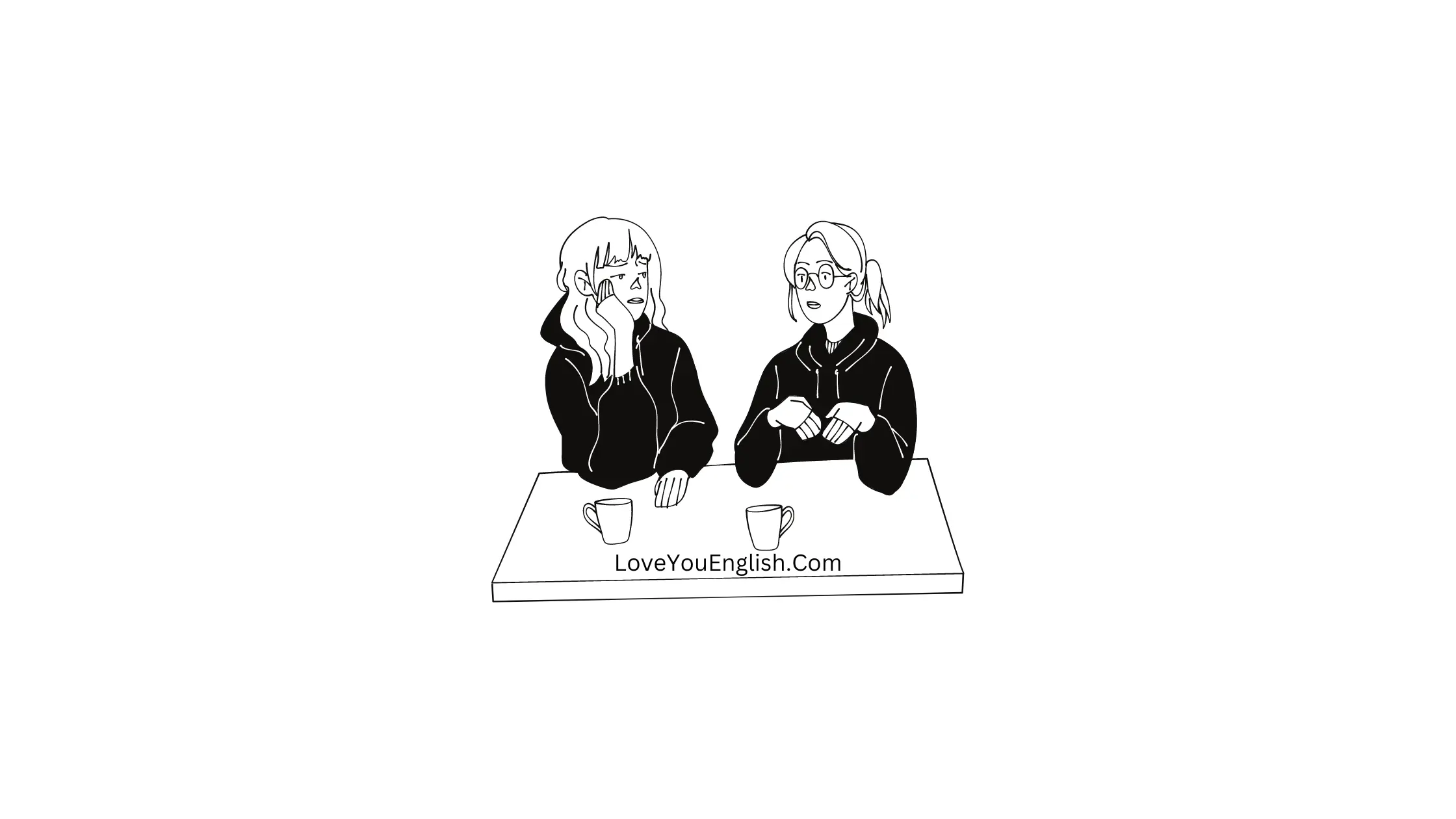
Scene 1: Friends Talking at a Café
Rahul:
Ananya, I really needed to talk to someone today. I feel completely stuck.
Ananya:
I’m glad you called me. What’s going on? You don’t sound like yourself.
Rahul:
Honestly, everything feels messy. My job is stressful, I’m not sleeping well, and I keep overthinking about my future.
Ananya:
That does sound overwhelming. If you don’t mind my saying so, I think you’re putting too much pressure on yourself.
Rahul:
Maybe you’re right. But I don’t know how to stop. Every day feels like a race.
Ananya:
Have you thought about taking a short break? Even a weekend off could help clear your mind.
Rahul:
I’ve considered it, but I feel guilty taking time off when there’s so much work.
Ananya:
If I were you, I’d prioritize my health first. Work will always be there, but your well-being won’t if you ignore it.
Rahul:
That makes sense. What else would you suggest?
Ananya:
You might want to write down what’s bothering you the most. Sometimes seeing problems on paper makes them easier to handle.
If you’re looking for useful study material, check our free English learning resources page.
Rahul:
That’s a good idea. I usually keep everything in my head.
Ananya:
Also, you should try talking to someone at work—maybe a senior you trust.
Rahul:
Actually, Mr. Mehta has always been supportive. Maybe I should speak to him.
Ananya:
I think that would be wise. And remember, it’s okay to ask for help.
Scene 2: At the Office – Talking to a Senior
Rahul:
Good afternoon, sir. Do you have a few minutes? I need some advice.
Mr. Mehta:
Of course, Rahul. Sit down. What’s on your mind?
Rahul:
I’ve been feeling stressed lately. I’m struggling to balance my workload, and I’m not sure if I’m heading in the right direction career-wise.
Mr. Mehta:
I appreciate your honesty. Let me ask you something first. What exactly is causing you the most stress?
Rahul:
Deadlines, expectations, and the fear that I’m not doing enough.
Mr. Mehta:
If you ask me, you’re being too hard on yourself. You’re a capable employee, but you need to manage your time better.
Rahul:
How would you suggest I do that?
Mr. Mehta:
I’d recommend breaking your tasks into smaller goals. Focus on one thing at a time instead of trying to do everything at once.
Rahul:
That sounds manageable.
Mr. Mehta:
Another piece of advice—don’t hesitate to communicate. If you feel overloaded, speak up early.
Rahul:
I usually worry that it might make me look weak.
Mr. Mehta:
On the contrary, asking for clarity shows maturity. No one expects perfection.
Rahul:
That’s reassuring to hear.
Mr. Mehta:
You should also think long-term. Where do you see yourself in five years?
Rahul:
I’m not entirely sure, and that scares me.
Mr. Mehta:
That’s normal. My advice is to focus on skill-building now. Opportunities follow skills.
Rahul:
Thank you, sir. I already feel lighter after this conversation.
Mr. Mehta:
Anytime, Rahul. And remember, balance is key—professionally and personally.
Scene 3: At Home – Talking to His Mother
Mrs. Sharma:
You look tired, beta. Is everything alright?
Rahul:
Not really, Mom. I’ve been under a lot of stress lately.
Mrs. Sharma:
You should have told me earlier. What’s bothering you?
Rahul:
Work pressure, constant thinking, and I feel like I’m losing peace of mind.
Mrs. Sharma:
If you listen to me, you should slow down a little. Life is not only about work.
Rahul:
I know, but responsibilities make it hard.
Mrs. Sharma:
My advice is simple. Take care of your routine. Eat on time, sleep properly, and spend less time on your phone.
Rahul:
You’re right. My screen time has increased a lot.
Mrs. Sharma:
Also, don’t keep everything inside. Share your worries with people who care about you.
Rahul:
I spoke to Ananya and Mr. Mehta today. It helped.
Mrs. Sharma:
That’s good. And remember, no problem is permanent. This phase will pass too.
Rahul:
Thank you, Mom. Talking to you always makes me feel calm.
Mrs. Sharma:
Anytime, beta. Just promise me one thing—don’t ignore your happiness.
Scene 4: Follow-up Conversation with a Friend
Ananya:
You look much better today. Did you talk to your senior?
Rahul:
Yes, and I also spoke to my mom. I received some really helpful advice.
Ananya:
I’m glad to hear that. So, what are you planning to do next?
Rahul:
I’m going to take things one step at a time. I’ll manage my tasks better, take breaks, and focus on learning.
Ananya:
That sounds like a healthy plan.
Rahul:
Thanks for listening and guiding me. I really needed it.
Ananya:
That’s what friends are for. And remember, whenever you feel lost, it’s okay to ask for advice.
Rahul:
I will. And someday, I hope I can help someone the same way you all helped me.
Key Phrases for Giving & Receiving Advice
🔹 Asking for Advice
-
Can you give me some advice?
-
What do you think I should do?
-
I need your opinion on something.
-
Do you have any suggestions?
-
I’m not sure what to do.
🔹 Giving Advice Politely
-
If I were you, I would…
-
You should consider…
-
You might want to…
-
It would be a good idea to…
-
Why don’t you…?
-
My advice would be to…
🔹 Strong Advice (Careful & Supportive)
-
I really think you need to…
-
It’s important that you…
-
You shouldn’t ignore this.
-
I’d strongly recommend…
🔹 Accepting Advice
-
That sounds like a good idea.
-
You’re right. I’ll try that.
-
Thanks, I really appreciate your advice.
-
I’ll definitely think about it.
🔹 Rejecting Advice Politely
-
I understand what you’re saying, but…
-
I’m not sure that will work for me.
-
I’ll think about it, but I may try something else.
🔹 Giving Emotional Support
-
Don’t worry, everything will be okay.
-
You’re not alone in this.
-
Take your time and don’t rush.
-
Things will get better.
Conclusion:
Giving and receiving advice is an important part of everyday communication.
We ask for advice when we feel confused, worried, or unsure about a situation, and we give advice to help others make better decisions.
In English, advice is usually given in a polite, friendly, and supportive way rather than in a commanding tone.
Learning common advice-related phrases helps English learners express opinions, suggestions, and concerns naturally.
These dialogues are especially useful for daily conversations, classroom role-plays, interviews, and real-life situations such as talking to friends, family members, teachers, or colleagues.