Month: June 2024

  • Short English Dialogues About Entertainment for Speaking Practice

    Entertainment is a common topic in everyday conversations. People often talk about movies, TV shows, music, web series, games, and live events while relaxing or spending time with friends and family. These light and fun discussions are easy to start and enjoyable to continue. For English learners, entertainment-based conversations are perfect for practicing natural and casual spoken English. Short English Dialogues About Entertainment help learners practice simple and quick conversations related to daily interests. These short dialogues include talking about a movie you watched, a song you like, a TV show you are following, or weekend entertainment plans. The language is easy, conversational, and suitable for beginners to intermediate learners. By practicing short dialogues, learners can improve speaking fluency, learn common expressions, and feel more…

  • English Short Stories for Beginners (Easy Reading Practice)

    Stories about siblings beautifully show us the power of love, understanding, teamwork, and emotional connection. Through everyday moments, shared struggles, and joyful experiences, sibling stories help readers understand relationships while improving reading skills and vocabulary in a natural way. In this post, “Two English Short Stories About Siblings and Their Bond,” you will read two heart-touching stories set in different parts of India. The first story highlights the strong bond between Arjun and Maya, who rebuild their village together after a disaster. The second story follows Rohan and Meera, siblings who discover beauty, hope, and creativity during the monsoon season. Perfect for English learners, classroom reading, and self-study, these stories use simple language and rich emotions to show how sibling bonds grow stronger through love,…

  • Spoken English Conversation: Talking About the Weather for Daily Use

    Talking about the weather is one of the most common ways to start a conversation. People often discuss the weather while meeting friends, neighbors, colleagues, or even strangers. Simple comments about heat, cold, rain, or sunshine help break the ice and keep conversations going. For English learners, weather-related talk is perfect for practicing basic, everyday spoken English. Spoken English Conversation: Talking About the Weather helps learners speak confidently about different weather conditions and seasons. These conversations include situations such as describing today’s weather, talking about seasonal changes, discussing weather preferences, and making small talk. The language is simple, clear, and suitable for beginners to intermediate learners. By practicing these conversations, learners can improve speaking fluency, learn common weather-related vocabulary, and feel more comfortable using English…

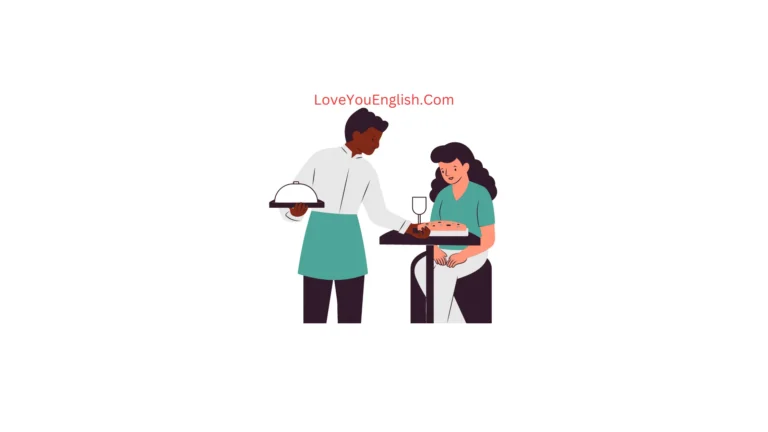
  • Spoken English Conversation: Ordering Food in A Restaurant for Daily Use

    Ordering food in a restaurant is one of the most common real-life situations where people need to speak English. Customers usually talk to the waiter about the menu, food preferences, prices, special requests, and the bill. Knowing how to order food politely and clearly helps people feel confident while eating out. For English learners, this is an essential topic for practicing practical and everyday spoken English. Spoken English Conversation: Ordering Food in a Restaurant helps learners speak confidently in restaurant situations. These conversations include asking for the menu, ordering food and drinks, requesting changes, talking about taste, and asking for the bill. The language is simple, polite, and suitable for beginners to intermediate learners. By practicing these conversations, learners can improve speaking fluency, learn useful…

  • English Dialogues About Hobbies and Interests for Spoken English

    Hobbies and interests are common topics in everyday conversations. People often talk about what they enjoy doing in their free time, such as reading, playing sports, listening to music, traveling, cooking, or learning new skills. These conversations help people connect, make friends, and understand each other better. For English learners, this topic is ideal for practicing friendly, natural, and everyday spoken English. English Dialogues About Hobbies and Interests help learners speak confidently about their likes, dislikes, and free-time activities. These dialogues include situations such as introducing hobbies, asking about interests, explaining why you enjoy an activity, and finding common interests with others. The language is simple, clear, and suitable for beginners to intermediate learners. By practicing these dialogues, learners can improve speaking fluency, build useful…

  • Spoken English Conversation: Making Plans and Arrangements for Daily Use

    Making plans and arrangements is a common part of everyday life. People often talk about meeting friends, fixing dates and times, planning trips, arranging events, or scheduling appointments. These conversations happen at home, school, work, and in social situations. For English learners, this topic is very important for practicing practical, real-life spoken English. Spoken English Conversation: Making Plans and Arrangements helps learners speak confidently about future plans, schedules, and commitments. These conversations include situations such as suggesting a plan, agreeing or disagreeing politely, changing plans, fixing a time and place, and confirming arrangements. The language is simple, clear, and suitable for beginners to intermediate learners. By practicing these conversations, learners can improve speaking fluency, learn useful planning-related phrases, and communicate more confidently in daily life….

  • Top 10 Reasons to Learn English and Improve Your Life

    English is more than just a language—it is a powerful skill that can open doors to new opportunities and improve your life in many ways. Today, English is the most widely used global language, spoken in education, business, travel, technology, and entertainment. Learning English helps you communicate with people from different countries, cultures, and backgrounds, making the world feel more connected and accessible. Whether you want a better job, higher education opportunities, or the confidence to travel and socialize freely, English can play a key role in achieving your goals. It also gives you access to a vast amount of knowledge, including books, movies, online courses, and global news. In this article, we’ll explore the top 10 reasons to learn English and how improving your…

  • 30 Advanced English Adjectives to Elevate Your Vocabulary

    If you want to sound more fluent and expressive in English, upgrading your vocabulary is essential. Many learners rely on basic adjectives like “good,” “bad,” “big,” or “small,” but advanced speakers use more precise and descriptive words. Learning advanced English adjectives will help you communicate ideas clearly, improve your writing, and make your speech more engaging. In this article, 30 Advanced English Adjectives to Elevate Your Vocabulary, you will discover powerful and versatile adjectives that can replace common everyday words. These high-level vocabulary words will help you express opinions, describe people and situations accurately, and sound more confident in academic, professional, and casual conversations. Whether you are preparing for IELTS, competitive exams, or simply aiming to expand your vocabulary, these advanced adjectives will take your…

  • English Vocabulary: 30 Crime Words in English (Essential Words and Phrases)

    Expanding your English vocabulary is one of the most effective ways to improve your communication skills. If you want to speak and write English with more clarity and confidence, learning topic-based vocabulary is a smart strategy. In this blog post, you will learn 30 essential crime-related words and phrases with simple meanings that will help you understand and use English more effectively. Crime is a common topic in news, movies, books, and everyday conversations. Whether you are reading a news article, watching a crime show, or preparing for exams, knowing the right vocabulary will help you understand situations better and express your ideas more accurately. It also helps you sound more natural and fluent when discussing serious or real-life topics. For example, instead of saying…

  • English Dialogues About Fashion for English Learners (Everyday English Dialogue Practice)

    Fashion is a popular topic in everyday conversations. People often talk about clothes, styles, trends, colors, and accessories while shopping, meeting friends, or attending events. Fashion also helps people express their personality and confidence. For English learners, fashion-related topics are great for practicing descriptive, modern, and everyday spoken English. English Dialogues About Fashion help learners speak confidently about clothing choices, fashion trends, seasonal wear, and personal style. These dialogues include common situations such as shopping for clothes, discussing outfits, giving fashion advice, and sharing opinions about trends. The language is simple, natural, and suitable for beginners to intermediate learners. By practicing these conversations, learners can improve speaking fluency, learn useful fashion-related vocabulary, and express likes and dislikes clearly. This topic is especially helpful for ESL…