Month: February 2026

  • ·

    60 Best Sonnet Examples (With Explanation)

    As an English teacher with over a decade of experience helping students understand poetry, I’ve seen countless learners struggle with sonnets. They often ask me, “Why are these 14-line poems so important?” or “How can I actually understand what the poet is saying?” Through my years of teaching both offline and online classes, I’ve discovered that the best way to learn sonnets is through real examples with clear explanations. That’s exactly what this guide provides: 60 of the best sonnet examples from famous poets, organized by type, with simple explanations that anyone can understand. Whether you’re a student preparing for exams, an ESL learner exploring English literature, a teacher looking for classroom materials, or a parent helping your child with homework, this comprehensive collection will…
  • ·

    500 Ways to Respond to Thank You (With Examples)

    Have you ever been thanked by someone, and suddenly your mind goes blank? You stand there, unsure whether to say “you’re welcome,” “no problem,” or something else entirely. You’re not alone. Knowing how to respond to “thank you” properly is a skill many people struggle with, yet it’s essential for good communication in English. As an English teacher with years of classroom experience, I’ve watched countless students freeze when someone thanks them. They know they should respond, but they’re uncertain which words to choose. This uncertainty affects their confidence and makes simple conversations feel complicated. This guide gives you 500 practical ways to respond to “thank you” for every situation you’ll encounter. Whether you’re responding to your boss, a friend, a stranger, or a customer,…

  • 10 Strategies to Help Students Get Started on Their Work

    Getting started is often the hardest part of any task. As an English teacher who has worked with hundreds of students in both classroom and online settings, I’ve seen this struggle countless times. Students sit with blank pages, unopened books, or unstarted assignments, feeling overwhelmed and unsure where to begin. The good news? Learning how to help students get started on their work is a skill that anyone can develop with the right strategies. Whether you’re a teacher looking for ways to motivate your class, a parent supporting a struggling learner, or a student trying to overcome procrastination, these ten practical strategies will make starting work easier and less stressful. I’ve used these methods with English learners, exam preparation students, and even adult job seekers—and…

  • How to Write a Parable: Step-by-Step Guide

    Have you ever heard a simple story that stuck with you for years? Maybe it was about a farmer planting seeds, a lost sheep, or two builders constructing houses. These memorable stories are called parables, and they’ve been teaching important lessons for thousands of years. As an English teacher who’s taught storytelling and creative writing for over a decade, I’ve watched students of all ages light up when they discover how to write a parable. Whether you’re a student working on a class assignment, a parent helping your child with homework, an ESL learner building your writing skills, or a teacher looking for fresh classroom activities, learning how to write a parable will strengthen your storytelling abilities and help you communicate powerful messages in memorable…

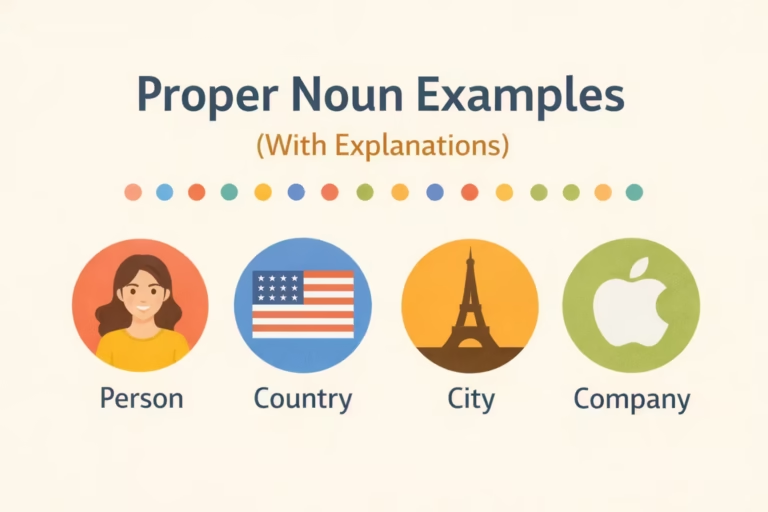
  • 550 Proper Noun Examples with Meanings and Simple Explanations

    After teaching English to thousands of students over the past twelve years, I’ve noticed something interesting: proper nouns confuse learners more than almost any other grammar topic. Just last week, one of my online students wrote “i live in bangalore and work at microsoft” in an email assignment. When I pointed out the capitalization errors, she looked genuinely surprised. “But miss,” she said, “how do I know which words need capital letters?” This question comes up constantly in my classroom, both with ESL learners and native English speakers who want to polish their writing. Understanding proper nouns isn’t just about passing grammar tests—it’s about writing clearly, professionally, and correctly in real-world situations like job applications, business emails, and academic papers. In this comprehensive guide, I’ll…

  • Responsive Teaching Strategies for ELA Teachers

    Teaching English Language Arts (ELA) has changed dramatically in recent years. Students come to our classrooms with different abilities, backgrounds, and learning needs. As an English teacher with over a decade of classroom experience, I’ve learned that one-size-fits-all lessons simply don’t work anymore. This is where responsive ELA teaching strategies become essential. Responsive teaching means adjusting your instruction based on what your students actually need, not just what the curriculum says. It’s about watching, listening, and adapting in real-time. In this guide, I’ll share practical, proven strategies that work in real classrooms—both online and offline. These methods have helped my students improve their reading comprehension, writing skills, speaking confidence, and overall engagement with English. Whether you’re a new teacher, an experienced educator looking for fresh…

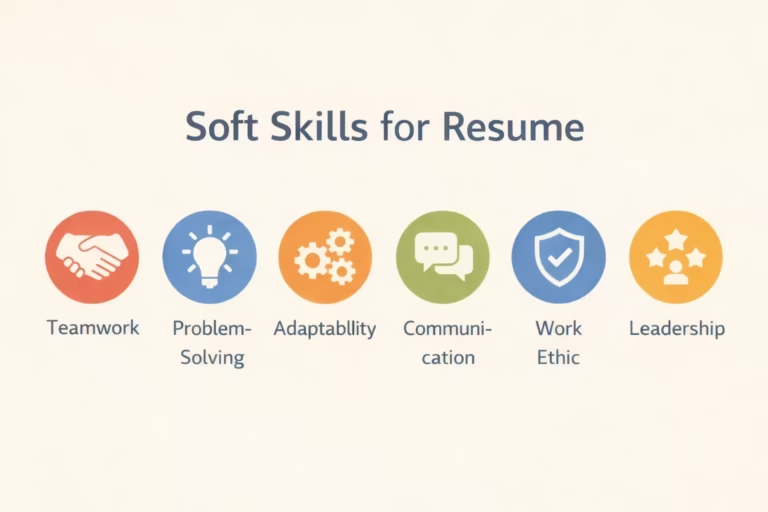
  • 500 Soft Skills for Resume (Complete List + Examples & Tips)

    Finding the right soft skills to put on your resume can feel overwhelming. After years of helping students and job seekers improve their career documents, I’ve seen one pattern repeatedly: people struggle to identify and describe their soft skills effectively. Here, I provide 500 soft-skill examples you can use on your resume, organized by category with clear explanations. Whether you’re a student writing your first resume, an ESL learner navigating the job market, or a professional updating your CV, you’ll find practical examples that showcase your abilities to potential employers. What Are Soft Skills? Soft skills are personal qualities that help you work well with others and succeed in your job. Unlike hard skills (like coding or accounting), soft skills focus on how you communicate,…

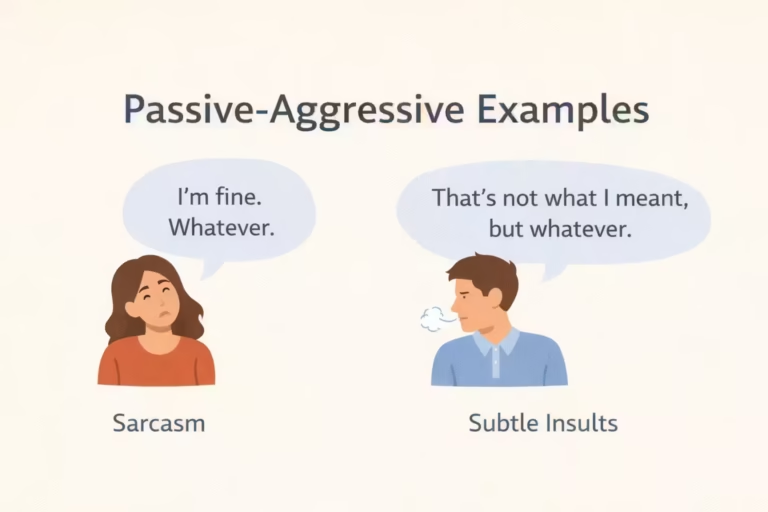
  • Passive-Aggressive Examples (With Explanations)

    Passive-aggressive communication is everywhere—in emails, text messages, workplace conversations, and even family chats. As an English teacher with over a decade of experience teaching communication skills, I’ve seen how confusing this speech pattern can be for students, especially ESL learners who struggle to decode the hidden meanings behind seemingly polite words. In my classroom, students often bring me real-life examples: “My boss wrote ‘per my last email’—why does everyone say that sounds rude?” or “My roommate keeps saying ‘it’s fine’ but seems angry. What does that mean?” Understanding passive-aggressive language is essential for effective communication, whether you’re writing professional emails, navigating social situations, or simply trying to express yourself clearly. This comprehensive guide provides 500 passive-aggressive examples organized by category, complete with explanations to help…

  • How to Write Speaker Notes for Presentations

    Have you ever watched someone give a presentation and wondered how they remembered everything they wanted to say? The secret is often hidden in their speaker notes. Whether you’re a student preparing for a class presentation, a teacher creating lesson materials, or a professional getting ready for your first business meeting, knowing how to write speaker notes can transform your speaking experience from nerve-wracking to confident. In my ten years of teaching public speaking and presentation skills, I’ve seen countless students struggle with presentations—not because they didn’t know their topic, but because they didn’t know how to prepare effective speaker notes. The good news? Writing speaker notes is a skill anyone can learn, and I’m here to show you exactly how to do it. What…

  • Dark Romance: Tropes, Themes & Best Examples

    As an English teacher who’s spent over a decade helping students understand different literary genres, I’ve noticed a fascinating trend. More and more of my students—especially young adults—are asking about dark romance books. During one memorable class discussion, a student brought in Haunting Adeline and asked, “Why do I love this even though it makes me uncomfortable?” That question opened up one of the richest conversations about literature, emotions, and storytelling I’ve ever facilitated. Dark romance is a subgenre of romance fiction that explores intense, morally complex relationships featuring controversial themes like obsession, danger, and power imbalances. Unlike traditional romance, dark romance pushes boundaries and challenges readers with flawed, sometimes villainous love interests and situations that would be problematic in real life. In this ultimate…