Year: 2026

  • ·

    Australian Slang: 100+ Words, Phrases & Meanings

    G’day! If you’ve ever watched an Australian movie or chatted with someone from Down Under, you’ve probably noticed that Aussies have their own unique way of speaking. Words get shortened, meanings get twisted, and sometimes it feels like they’re speaking a completely different language—even though it’s still English! As an English teacher who has worked with students preparing for travel, work, and study in Australia, I can tell you that understanding Australian slang is about more than just learning vocabulary. It’s about understanding culture, humor, and the relaxed, friendly way Australians communicate. Many of my students have told me they felt lost in their first weeks in Australia, not because their English was poor, but because no one taught them that “arvo” means afternoon or…
  • 5 Ways to Help Students Build Reflection Skills

    Learning doesn’t stop when the lesson ends. The real magic happens when students take time to think about what they’ve learned, how they learned it, and what they can do better next time. This process is called reflection, and it’s one of the most powerful tools for growth in education. As an English teacher with years of experience in both classroom and online settings, I’ve seen firsthand how reflection skills transform average learners into confident, independent students. When students develop strong reflection skills, they don’t just memorize information—they understand it deeply, remember it longer, and apply it more effectively in real-life situations. In this article, I’ll share five practical ways to help students build reflection skills. These methods work for all ages and learning environments,…

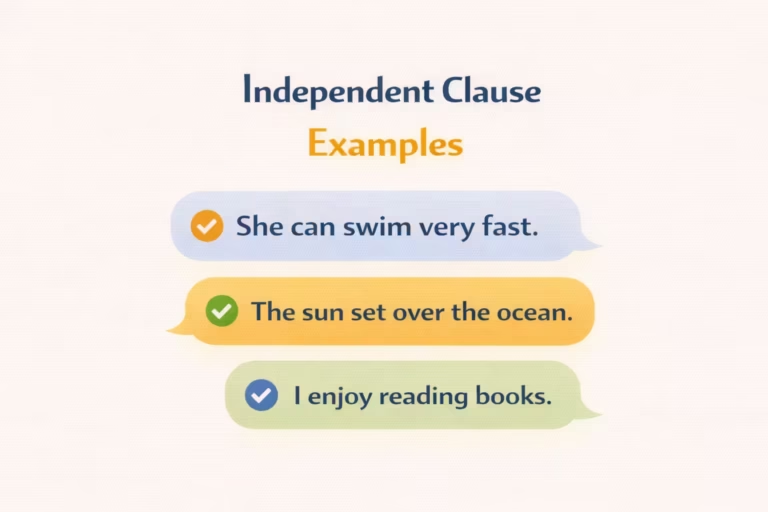
  • Independent Clause Examples: 550+ Sentences

    Understanding independent clauses is one of the most important steps in mastering English grammar. Whether you’re a teacher preparing lesson plans, a parent helping your child with homework, or someone learning English as a second language, knowing how independent clauses work will transform the way you read, write, and speak. After teaching English for over fifteen years, I’ve seen countless students struggle with sentence structure. The good news? Once you understand independent clauses, everything else becomes clearer. I am providing over 550 real examples organized by type, along with simple explanations that anyone can follow. What Is an Independent Clause? An independent clause is a group of words that contains a subject and a verb and expresses a complete thought. It can stand alone as…

  • ·

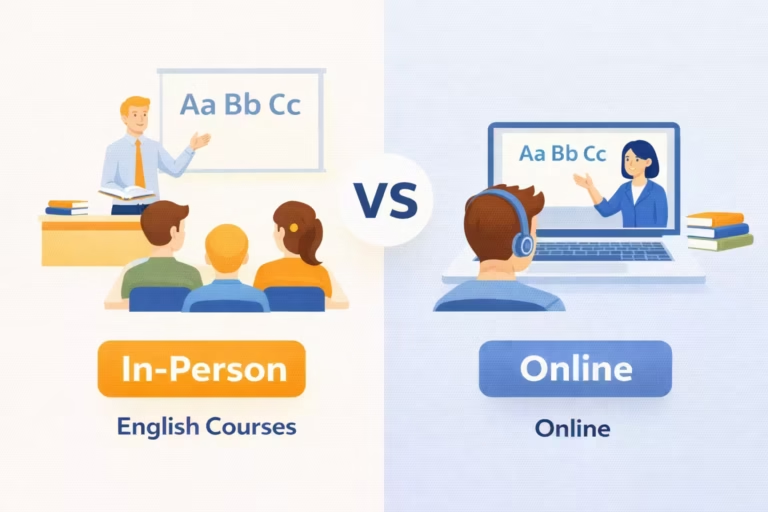
    In-Person vs Online English Courses: Which Is Best?

    “I can read and write English well, but when someone speaks to me, my mind goes blank.” I’ve heard this from hundreds of students over my years of teaching. Many people spend years studying English grammar and vocabulary, but when it’s time to have a real conversation, they freeze. This happens because speaking English is a different skill from reading or writing it. Choosing the right learning environment—whether in-person or online—can make a huge difference in how quickly and confidently you develop your spoken English. Both methods work, but they work differently. Understanding these differences will help you make the best choice for your learning style, schedule, and goals. Let me share what I’ve learned from teaching in both traditional classrooms and online platforms, so…

  • How to Answer “What Is Your Dream Job?” – A Comprehensive Guide

    I’ve been teaching English communication skills for years, and one question makes even confident speakers suddenly freeze: “What is your dream job?” Whether you’re sitting in a job interview, chatting at a networking event, or answering a common conversation question in English class, this seemingly simple question can feel surprisingly difficult to answer well. Here’s why students and professionals struggle with this question: They worry their answer sounds unrealistic or silly They’re not sure how honest to be They don’t know how much detail to share They freeze when trying to translate their thoughts into clear English The good news? With the right approach and some practice, you can answer this question confidently and naturally. In this guide, I’ll share practical strategies I’ve taught in…

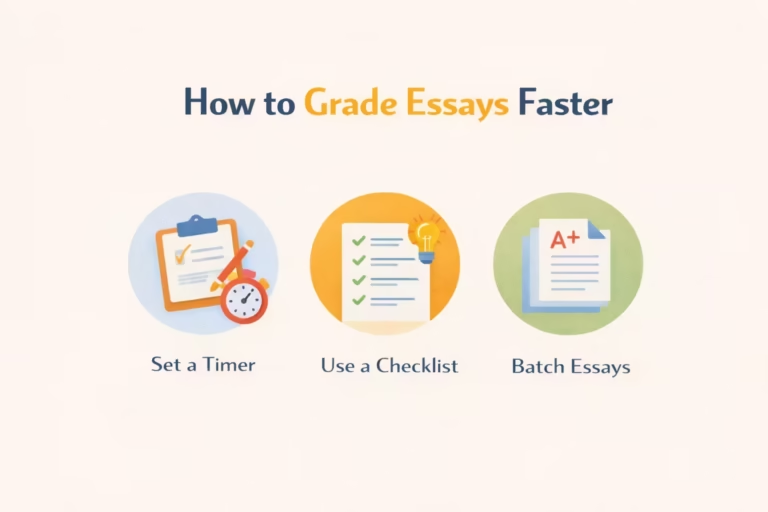
  • How to Grade Essays Faster Without Losing Quality

    As an English teacher who has graded thousands of essays over the years, I know the Sunday evening panic all too well. You’re staring at a stack of 30 student essays, your red pen is running low, and you’re wondering if you’ll ever see the bottom of that pile. I’ve been there countless times, both in my traditional classroom and while teaching online students from around the world. The truth is, grading essays faster isn’t about cutting corners or being less thorough. It’s about working smarter, not harder. After years of trial and error, I’ve developed strategies that help me grade essays more efficiently while still giving my students the detailed feedback they need to improve their writing. Whether you’re a new teacher drowning in…

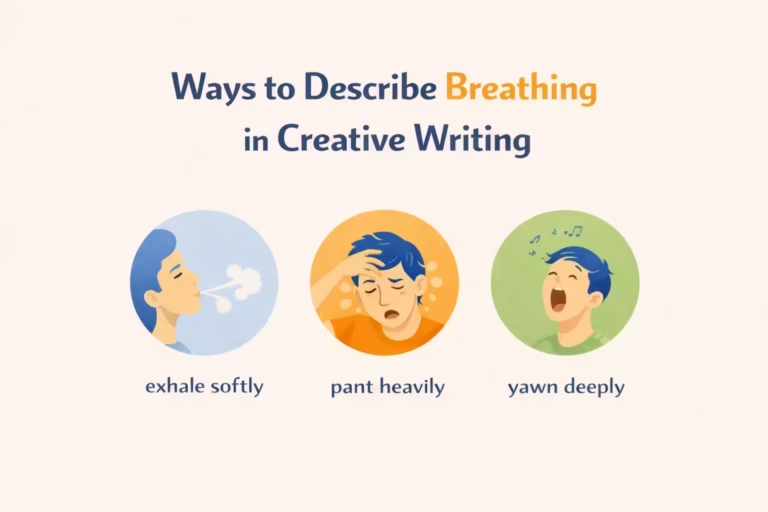
  • 40 Ways to Describe Breathing in Creative Writing

    Have you ever struggled to describe a character gasping for air, sighing in relief, or breathing heavily after a chase? You’re not alone. Many writers find it challenging to capture something as simple yet essential as breathing on the page. As an English writing instructor, I’ve spent years helping students bring their stories to life through vivid descriptions. One of the most common challenges I see in student manuscripts is flat, repetitive breathing descriptions. They write “he breathed heavily” or “she took a deep breath” over and over, missing opportunities to show emotion, build tension, and create atmosphere. Learning how to describe breathing in writing transforms your storytelling. Breathing reveals character emotions, creates mood, and pulls readers deeper into scenes. This guide provides 40 practical…

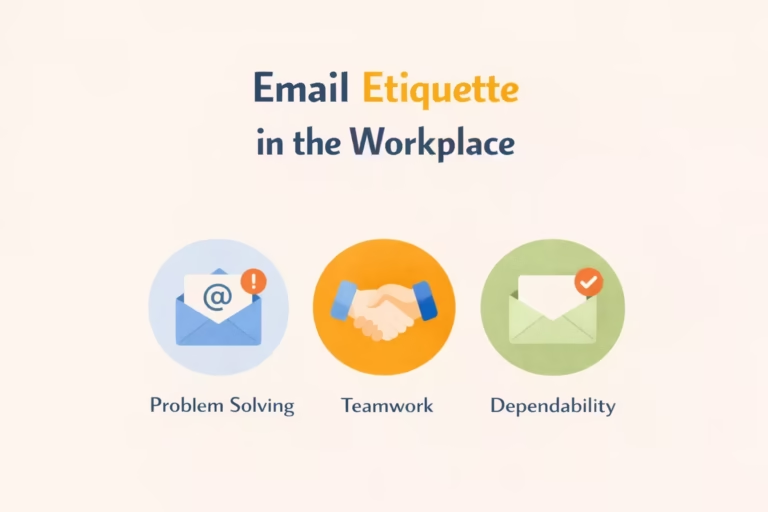
  • 8 Tips for Professional Email Etiquette in the Workplace

    We’ve all been there—you hit “send” on an email and immediately regret it. Maybe you forgot to attach a file, used the wrong tone, or accidentally replied to everyone instead of just one person. In today’s workplace, email is one of the most important communication tools we use every day. Yet many professionals, especially those new to the workforce or working in English as a second language, struggle with email etiquette. Poor email habits can create misunderstandings, damage professional relationships, and even affect your career growth. The good news? Professional email writing is a skill you can learn and improve with practice. Whether you’re a teacher communicating with parents, a trainer coordinating with colleagues, or anyone working in a professional environment, mastering email etiquette will…

  • 610 Strengths Examples for Resume & Reviews

    Finding the right words to describe your strengths can feel overwhelming. Whether you’re writing a resume, preparing for a job interview, or completing a performance evaluation, knowing how to express what you do well matters. After 12 years helping students and professionals communicate their abilities clearly, I’ve noticed the same challenge again and again: people struggle to identify and articulate their strengths. They know they’re good at certain things, but putting those qualities into words feels difficult. This guide provides 610 strengths examples organized by category, along with practical advice on choosing and presenting your strengths effectively. You’ll learn which strengths work best for different situations, how to avoid common mistakes, and how to make your strengths stand out on resumes and in evaluations. Why…

  • How to Describe Bruises in Writing (With Examples)

    Have you ever struggled to describe a bruise in your story, medical report, or creative writing assignment? You’re not alone. After teaching English writing for over twelve years, I’ve noticed students often repeat the same basic words: “blue,” “purple,” or “painful.” While these words aren’t wrong, they don’t create vivid pictures in readers’ minds. Learning how to describe bruises in writing effectively helps you create more realistic characters, write better medical documentation, craft compelling fiction, and improve your overall descriptive writing skills. Whether you’re a student working on a creative writing piece, an ESL learner building vocabulary, or a professional documenting injuries, this guide will teach you practical techniques with clear examples you can use immediately. Why Accurate Bruise Description Matters in Writing In my…