Hello, I am an English teacher and spoken English trainer with more than 10 years of experience in classrooms and online lessons.
I have taught hundreds of students from India, Nepal, China, the Middle East, and Africa. Every year, the same question comes up in my classes: “Sir, should I live on campus or off campus?” Students ask this because the choice affects their daily life, their studies, and especially their English practice.
On-campus vs off-campus housing is one of the biggest decisions new students make. It is not just about where you sleep. It changes how much you speak English, how confident you feel, and how fast you improve your listening and fluency.
In this post, I will explain both options in simple words. I will share real stories from my students, show the good and bad sides, and give you practical steps to make the right choice.
By the end, you will know which type of housing can help you become a better English speaker while you study.
Let me start with the basics so you feel clear and confident.
What Is On-Campus Housing?
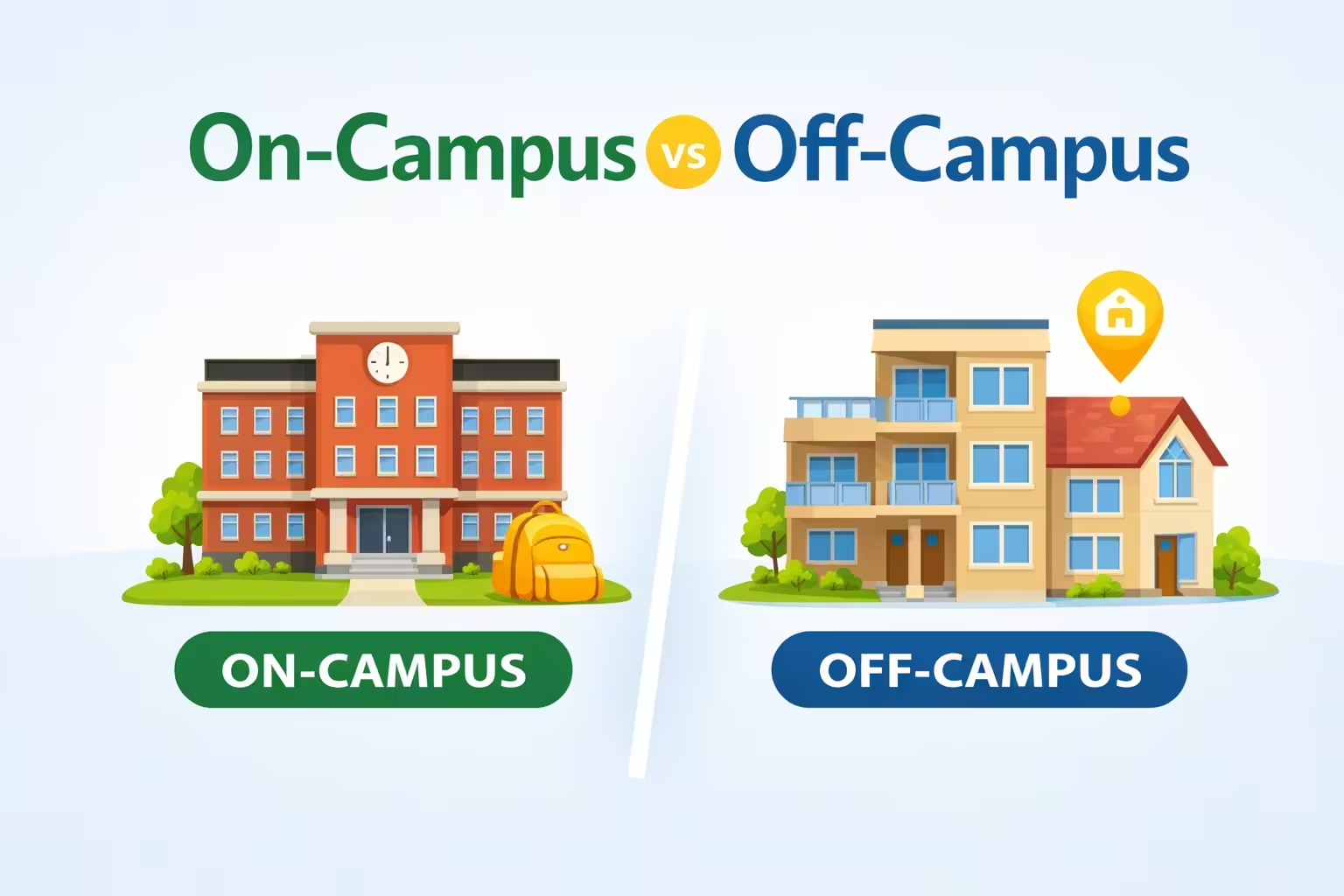
On-campus housing means living in a dormitory or hostel inside the college or university grounds. Your room is usually a short walk from your classrooms, library, and cafeteria. Many colleges in India and abroad offer this for first-year students.
In my experience, students who choose on-campus housing often feel safe and connected. They wake up, eat breakfast, and reach class in five or ten minutes. No bus, no traffic, no worry about being late. For ESL learners like many of my students, this closeness helps them join English clubs, conversation groups, and campus events without extra effort.
What Is Off-Campus Housing?
Off-campus housing means renting an apartment, flat, or room outside the college area. You might share it with friends or live alone. You handle your own food, bills, cleaning, and travel to college every day.
Many of my older students prefer this option because it gives more freedom. They cook their own meals, choose their roommates, and decide their own rules. But it also means more responsibilities.
Now let’s compare them side by side so you can see the real picture.
Pros of On-Campus Housing
Easy access to classes and study areas
My student Priya from Delhi told me, “I never miss morning lectures because my room is just two buildings away.” This saves time and energy for English practice instead of traveling.
Built-in social life
Dorms have common rooms, game nights, and study groups. Students speak English naturally every day. In my online classes, I notice that on-campus students improve their spoken English faster because they chat with roommates from different states or countries.
Security and support
Colleges provide security guards, wardens, and help desks. For international or first-time students, this feels comforting. Parents also feel relaxed knowing their child is inside the campus.
Included facilities
Many dorms offer Wi-Fi, laundry, gym, and sometimes meals. You pay one fixed fee and forget the rest.
Great for English immersion
In my classroom, I often hear on-campus students share new English phrases they learned from hall-mates at night. This real-life practice beats any textbook.
Cons of On-Campus Housing
Less privacy
Rooms are small and shared. You hear your roommate’s music, calls, or snoring. Some students find it hard to study or sleep.
Strict rules
Curfew times, visitor limits, and no-cooking policies exist in many hostels. My student Ahmed from Dubai once said, “I felt like I was still in school, not college.”
Higher cost in some colleges
Good dorms can be expensive. In big cities, the fee sometimes matches or beats off-campus rent.
Noise and distractions
Parties or group study sessions can disturb quiet learners. I have seen students lose focus on pronunciation practice because of constant noise.
Limited cooking options
Many dorms ban kitchen appliances. Students eat cafeteria food and miss home-style meals that help them feel happy and focused.
Pros of Off-Campus Housing
More independence and freedom
You set your own schedule. Want to practice English speaking with friends till midnight? No problem. Want to cook Indian food at 2 a.m.? You can.
Better privacy and space
You choose the room size, furniture, and roommates. Many of my students say they finally feel like adults.
Possible cost savings
In some areas, sharing a flat with two or three friends works out cheaper than a good hostel. You control electricity and food bills.
Real-life responsibility
Paying bills, buying groceries, and fixing small problems teaches life skills. These experiences also give great topics for English conversation practice.
Flexible environment for focused English study
Quiet apartments help some students record their speaking practice or join my online Zoom classes without background noise.
Read more interesting topics here:
- American Etiquette Guide: Dining, Tipping, Greetings, and Social Rules
- American Work Culture and Business Etiquette Guide
- Workplace Conversation Examples in American English
- Master Everyday American Idioms Like a Pro
- Listening Skills: Best Podcasts for English Learners
Cons of Off-Campus Housing
Travel time every day
Buses, autos, or bikes add one or two hours to your day. Tired students skip English clubs or conversation hours.
More expenses and paperwork
You pay rent, deposit, electricity, water, internet, and sometimes maintenance. My student Rahul forgot to pay the electricity bill once and studied in darkness for two days!
Safety concerns
Especially for girls or students new to the city. You must check the area carefully. I always tell my classes to visit the flat in daylight and talk to neighbors.
Less natural English practice
Some students live with friends who speak the same mother tongue. They switch to Hindi or Arabic at home and speak less English. I have seen slower fluency growth in these cases.
Isolation risk
Without campus events, shy students can feel lonely. One of my online learners from a small town stayed in her flat for weeks and lost speaking confidence.
On-Campus vs Off-Campus Housing:
How It Affects Your English Learning
This is the part I love teaching most because it connects directly to spoken English, listening skills, pronunciation, confidence building, and fluency development.
On-campus living creates daily English moments. You greet the warden in English, order food in the mess using new vocabulary, and debate topics in common rooms. These small talks build natural fluency. In my 10 years of teaching, I have seen students improve their IELTS speaking scores by one full band just because they lived in the hostel and practiced every day.
Off-campus living gives you control. You can create your own English zone. One of my best students, Maria from Kerala, lived off-campus and turned her apartment into an “English-only zone” with her roommates. They stuck notes on the fridge with new phrases and spoke only English during dinner. Her confidence grew faster than many on-campus students because she made deliberate practice.
Both options work if you stay active. The key is not the building — it is what you do inside it.
Real Classroom Examples from My Teaching Experience
Let me share three true stories (names changed for privacy).
Story 1: Sameer from Lucknow Sameer chose on-campus housing in his first year. In my spoken English class, he was shy. But after two months in the hostel, he started telling jokes in English during group activities. The daily chats with his roommate from Punjab helped him master pronunciation of difficult sounds like “th” and “v”. He told the class, “Hostel forced me to speak English even when I was tired.”
Story 2: Ayesha from Hyderabad Ayesha picked off-campus because she wanted to cook healthy food. She joined my online classes and felt isolated at first. We created a plan: she invited two classmates for weekly English movie nights at her flat. Within three months, her listening skills jumped. She learned new idioms from films and practiced them in real conversations. Today she speaks with natural rhythm and confidence.
Story 3: Group mistake I see every year In one batch, five international students lived together off-campus and spoke only their native language at home. Their written English was good, but their spoken English stayed basic. When I asked them to do a simple role-play about renting a flat, they struggled with simple sentences. After I explained the problem, they made a new rule: English only after 6 p.m. Their progress in the next month was amazing.
Common Mistakes Students Make When Talking About Housing
As a teacher, I hear the same errors again and again in speaking tests and classroom discussions.
Here are the top ones and how to fix them:
Wrong preposition: Students say “I live in campus” instead of “I live on campus.”
Correct: “I live on campus in the boys’ hostel.”
Confusing “rent” and “fee”: “The hostel rent is high” — but hostels charge “fees,” not rent.
Practice sentence: “The on-campus housing fee includes meals.”
Mixing “apartment” and “flat”:
Both are fine, but be consistent in one conversation.
Weak descriptions: Instead of “My room is nice,” say “My room is small but bright, with a big window that faces the garden. It helps me feel calm when I practice English.”
Mini-Practice Tasks for Your English Practice
Try these simple activities this week. They take only 10–15 minutes but build real skills.
Task 1: Describe Your Ideal Housing (Speaking Practice) Record yourself for one minute answering: “If you could choose any housing, on-campus or off-campus, what would it look like and why?” Focus on clear pronunciation of “campus,” “privacy,” and “independence.” Listen to your recording and count how many times you pause. Do it again tomorrow — you will speak smoother.
Task 2: Role-Play with a Friend (Conversation Fluency) One person is the student, the other is the housing officer. Student: “I want to know the difference between on-campus vs off-campus housing.” Officer: Explain pros and cons. Switch roles. This builds listening skills and confidence.
Task 3: Write and Speak a Comparison Paragraph Write 5–6 sentences comparing both options. Then read it aloud with feeling. Record it and send to a language partner for feedback.
Task 4: Listening Boost Watch any 5-minute YouTube video about student housing in India or abroad (search “on campus vs off campus housing vlog”). Take notes on new vocabulary. Use the words in your next English class.
Practical Classroom Application Section I use this exact topic in both offline and online classes because it feels real to students.
In offline class: I divide students into groups and ask them to make a poster: “Top 5 reasons to choose on-campus housing” and “Top 5 reasons to choose off-campus.” They present in English. This improves public speaking and teamwork.
In online class: I create breakout rooms. Each room discusses one question: “How does your housing choice help or hurt your spoken English practice?” Students share screens with photos of their rooms (if they want). The energy is high and lessons stay in their memory.
These activities work because students care about the topic. They speak from the heart, and that builds genuine fluency.
How to Decide What Is Best for You
Ask yourself these simple questions:
- Do I need structure and daily English practice around me? → Choose on-campus.
- Do I value quiet time and control over my space? → Choose off-campus.
- Am I an international or shy student who needs safety and friends? → Start with on-campus.
- Do I already have good self-discipline and want to cook my own food? → Off-campus may suit you.
Remember, many students change their mind after the first semester. That is normal. Talk to seniors, visit both places, and ask current students honest questions.
Strong Tips for Success No Matter Where You Live
- Make an “English corner” in your room — a small space with your notebook, phone for recording, and English posters.
- Set a daily 10-minute speaking goal: describe your day in English to your roommate or to yourself in the mirror.
- Join one campus club or online language exchange even if you live far away.
- Track your progress monthly. Note how many new English words or phrases you used because of your housing situation.
- Be patient. Fluency does not come in one month. Consistent small practice wins.
FAQs About On-Campus vs Off-Campus Housing
Q1: Which is cheaper?
It depends on your city and college. In many Indian universities, on-campus is cheaper for first-year students. In big metros like Delhi or Bangalore, shared off-campus flats can sometimes cost less after the first year.
Q2: Is on-campus housing only for first-year students?
Most colleges give priority to freshers, but many senior students also stay if they like the community.
Q3: Can off-campus students still join English clubs and events?
Yes! Most colleges allow it. You just need to travel a little more.
Q4: What if I feel homesick?
On-campus usually helps more because you are surrounded by people. But off-campus students can invite friends home or video-call family daily.
Q5: Does housing affect my English exam scores?
Indirectly yes. Students who speak English more in daily life usually score higher in speaking and listening sections of IELTS, TOEFL, or college tests.
Conclusion
On-campus vs off-campus housing is a personal choice, but both can support your journey to better English. On-campus gives you natural daily practice and a ready-made community.
Off-campus gives you freedom to create your own perfect English environment. The most important thing is not the address on your ID card — it is how actively you use every opportunity to speak, listen, and build confidence.
As your English teacher, I have watched shy students become fluent speakers simply because they chose housing that matched their personality and goals.
Take time to think, visit both options if possible, and remember that small daily habits create big results. Progress takes time, but consistent practice always works.
Wherever you live, keep speaking English every single day. Your future self — the confident, fluent version — is waiting. Start today by describing your housing choice out loud in English. You have already taken the first step by reading this post.
Now go and make your choice with confidence. I am cheering for you!
Explore more in this category: Career Skills
📚 Continue Learning English
Choose your next lesson and keep improving your English skills with our free English learning resources.