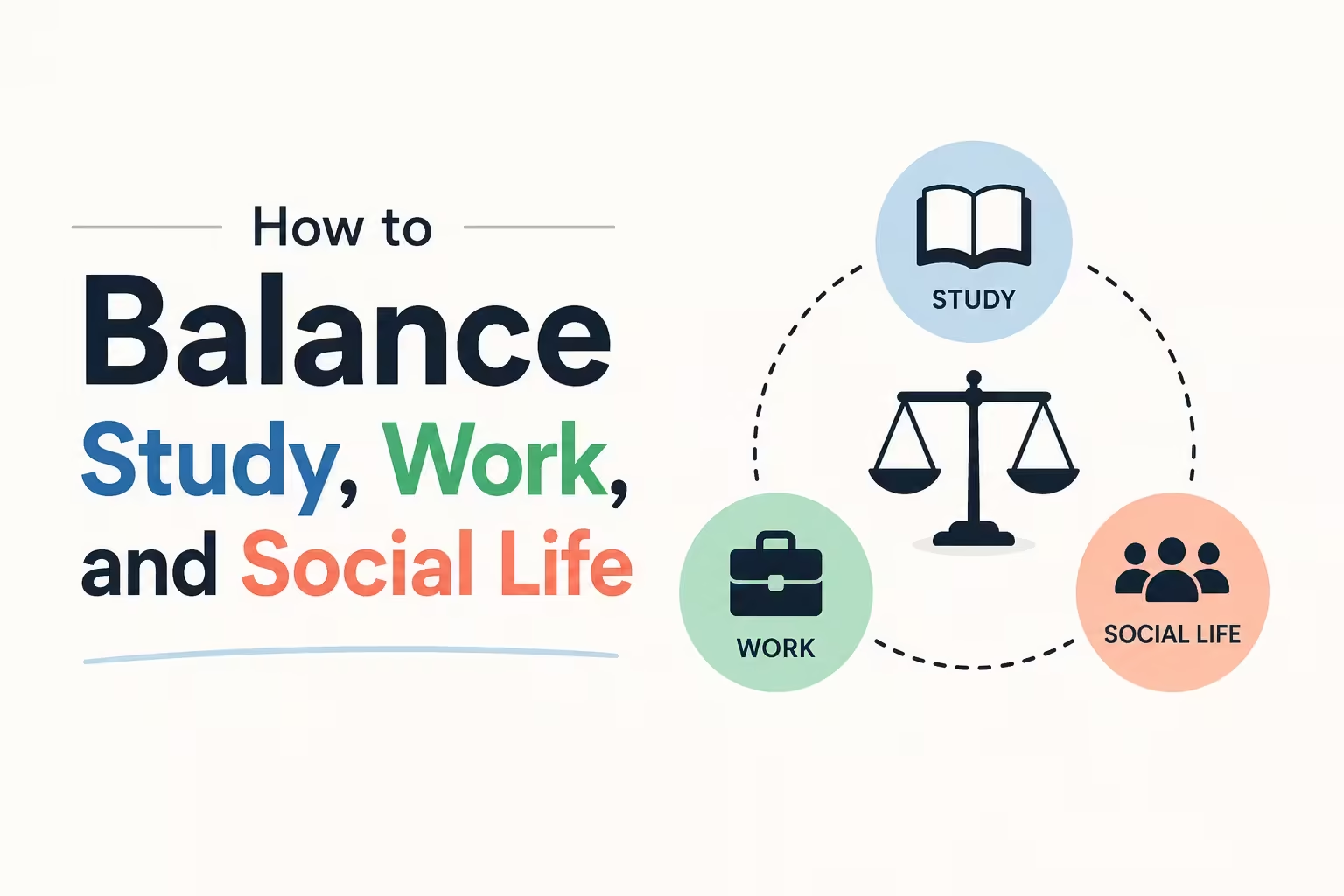
As an English teacher and spoken English trainer with more than 10 years of experience in both offline classrooms and online sessions, I have seen hundreds of students struggle with the same challenge: how to balance study, work, and social life as a student.
You wake up early for college or university classes, rush to a part-time job in the evening, and still want to meet friends or family on the weekend.
Many of my learners tell me they feel tired all the time, miss deadlines, or suddenly realize they have not spoken a single word of English outside class for weeks. The good news is that you can fix this.
In this guide, I will share simple, practical steps that actually work. These methods come straight from what I have observed in my real classes—both in small Delhi classrooms and busy online groups with students from different cities.
By the end, you will have a clear plan to manage your time, reduce stress, and still enjoy your student life.
Balancing these three parts of your life is not about doing everything perfectly every day. It is about making small, smart choices that add up over time.
I have helped working students improve their English fluency while keeping their jobs and social circles alive. The secret is not working harder but planning smarter.
Let’s begin.
Why Balancing Study, Work, and Social Life Matters for Students
When students try to handle study, work, and social life without a plan, something always suffers. In my classes, I notice the same pattern every year.
A bright student who works 20 hours a week suddenly stops participating in speaking activities. Another student who parties every weekend misses important assignment deadlines and feels guilty. A third one studies non-stop but feels lonely and burnt out.
This imbalance affects more than just marks. It affects your confidence, your health, and even your English progress. I remember one online student named Priya from Mumbai. She had a night-shift job at a call center and attended my 8 a.m. spoken English class.
For the first month she looked exhausted and spoke very little. Once we created a simple weekly plan together, she started finishing her work on time, sleeping better, and even practicing English conversations with colleagues during breaks. Her fluency improved dramatically in just six weeks.
The same thing happens with social life. Friends and family are important, but too much time with them can push studies and work aside.
Too little time and you feel isolated. The right balance keeps your mind fresh, your energy high, and your English practice consistent.
Research and my own classroom experience show that students who manage their time well score better, speak more confidently, and enjoy their student years more.
Step 1: Take an Honest Look at Your Current Schedule
Before you can balance study, work, and social life as a student, you need to know exactly where your time goes right now. This is the most important first step, and many students skip it.
Take a notebook or your phone and write down everything you do for one full week. Note the time you wake up, travel to college, attend classes, go to work, study, eat, scroll on your phone, meet friends, and sleep. Be honest—no one is judging you.
In my spoken English classes, I give this exact exercise to every new batch. Last year, one group of 25 students did it. The results surprised everyone.
Most discovered they were wasting almost three hours daily on social media or unplanned TV time. One working student found he was spending only 45 minutes on English practice even though he wanted to improve his speaking skills for job interviews.
After you track your week, ask yourself three simple questions:
- What activities help my studies, work, or English learning?
- What activities waste time without giving me energy or joy?
- Which parts of my week feel completely out of control?
This exercise takes only one week but gives you the power to make real changes. I have seen students cut useless time and suddenly find two extra hours every day for study or friends.
Step 2: Create a Realistic Weekly Time Table
Now that you know your current schedule, build a simple weekly timetable. Keep it realistic—do not fill every minute.
Divide your week into blocks:
- Fixed blocks (college classes, work shifts, meals, sleep)
- Flexible blocks (study time, English practice, social time)
Use a simple table on paper or a free app like Google Calendar. Color-code it: blue for study, green for work, yellow for social life and fun, and orange for English practice.
Here is a sample timetable I share with my working students:
Monday to Friday
- 6:00 am – 7:00 am: Wake up, exercise, breakfast
- 8:00 am – 2:00 pm: College classes
- 3:00 pm – 6:00 pm: Study or assignment time (include 20 minutes of spoken English practice)
- 7:00 pm – 10:00 pm: Part-time job (for night-shift students, swap these blocks)
- 10:30 pm – 11:00 pm: Quick chat with friends or family (social time)
- 11:30 pm: Sleep
Saturday
- Morning: Deep study or project work
- Afternoon: Meet friends or family (social recharge)
- Evening: Light English listening practice while relaxing
Sunday
- Morning: Rest or hobby
- Afternoon: Plan next week and review what worked
- Evening: Prepare clothes and meals for Monday
Adjust the times to fit your life. The key is to treat your timetable like a friend, not a strict boss. If one week does not work perfectly, change it the next week. In my 10 years of teaching, students who follow a flexible timetable improve faster in both academics and spoken English because their minds stay calm.
Step 3: Master Simple Time Management Techniques That Actually Work
You do not need complicated apps or expensive planners. These four techniques have helped thousands of my students balance study, work, and social life.
The 2-Minute Rule
If a task takes less than two minutes (replying to a message, keeping notes after class, or quick English vocabulary revision), do it immediately. This stops small jobs from piling up.
Pomodoro for Study and English Practice
Study or practice English for 25 minutes, then take a 5-minute break. After four rounds, take a longer 15-minute break. I use this in my online classes. Students tell me it helps them focus on listening exercises or speaking drills without getting bored.
Batch Similar Tasks
Answer all messages at one time instead of checking your phone every few minutes. Do all English listening practice in one block rather than scattered throughout the day. This saves mental energy.
Weekly Review Every Sunday Evening
Spend 10 minutes asking: What went well? What did not? What will I change next week? This small habit prevents problems from growing.
These techniques work because they respect how your brain actually functions. Short focused bursts are easier than trying to study for four hours straight while thinking about your job or friends.
Step 4: Make Work Support Your Studies (Instead of Fighting It)
Many students in my classes have part-time jobs in shops, cafes, or offices. They often complain that work leaves no energy for study. The solution is to make work and study help each other.
Choose job shifts that do not clash with your important classes. Talk honestly with your boss about your college schedule—most employers understand if you explain calmly.
Use travel time or slow work moments for English practice. One of my students who works at a coffee shop listens to English podcasts during his 30-minute metro ride every day. Another practices pronunciation quietly while waiting for customers. Within three months both noticed huge improvements in fluency and confidence.
Set clear boundaries at work. When your shift ends, leave work thoughts behind so you can focus on studies or friends. This mental separation is one of the biggest lessons I teach my working students.
Step 5: Keep Your Social Life Alive Without Guilt
Social life is not a waste of time—it recharges you. Students who completely cut friends to focus only on study often become unhappy and actually study less effectively.
Plan social time the same way you plan study time. Instead of saying “yes” to every invitation, choose 2-3 meaningful meet-ups per week. Quality matters more than quantity.
Combine social time with English practice when possible. In my classroom, I often suggest “English-only” coffee meet-ups with friends who also want to improve. Students chat about movies, food, or college life in English. It feels like fun but builds real fluency.
If you live with family, explain your schedule to them. My students from joint families in Delhi often say this one conversation reduces pressure and creates support at home.
Remember: a happy, balanced student learns faster and speaks English with more confidence.
Step 6: Build English Skills Even When You Are Busy
Since I am a spoken English trainer, I always show students how to fit language practice into a busy life. Balancing study, work, and social life becomes easier when English practice feels simple and useful.
Daily 15-minute habits that work:
- Speak out loud for 5 minutes about your day (record yourself on your phone)
- Listen to one short English podcast or YouTube video while walking or cooking
- Teach one new word or sentence to a friend or family member
These tiny practices fit into any schedule. One online student who worked six days a week improved his interview English by practicing only during lunch breaks. He got the job he wanted because his speaking became clear and confident.
I also teach pronunciation tricks that take just two minutes: repeat difficult sounds (like “th” or “v”) while brushing your teeth. Students love these because they see quick progress without extra time.
Common Mistakes Students Make (And How to Avoid Them)
In my 10 years of teaching, I have seen these mistakes again and again:
- Trying to do everything perfectly on Day 1 Start small. Change one habit this week.
- Saying “yes” to every social plan Learn to say “I have study time today, but let’s meet on Saturday instead.”
- Studying only when you feel motivated Motivation comes and goes. A timetable keeps you going on low-energy days.
- Ignoring sleep and health Tired students cannot focus on studies or enjoy time with friends. Aim for 7-8 hours of sleep.
- Comparing yourself with others on social media Everyone’s balance looks different. Focus on your own progress.
Avoiding these mistakes saves months of stress and helps you see real improvement in studies, work performance, and English fluency.
A Practical Classroom Activity You Can Do Today
Take 10 minutes right now and complete this mini exercise I use with all my new students:
- Write your three biggest goals for the next 30 days (one for studies, one for work or money, one for social life or happiness).
- Write one small daily action for each goal.
- Put these actions into your weekly timetable.
Students who do this exercise in class always report feeling more in control within two weeks. Try it and watch how your balance improves.
Sample Weekly Balance Checklist
Use this simple checklist every Sunday:
- Did I attend all important classes?
- Did I complete my work shifts on time?
- Did I spend quality time with at least one friend or family member?
- Did I practice English for at least 15 minutes every day?
- Did I sleep enough and eat proper meals?
Tick the boxes honestly. Celebrate the ticks and adjust the misses next week.
Frequently Asked Questions (FAQs)
1. Why is it important to balance study, work, and social life?
Maintaining a healthy balance helps reduce stress, improve academic performance, support career growth, protect your mental health, and allow you to enjoy meaningful relationships.
2. How can students manage their time more effectively?
Start by tracking how you spend your time, create a realistic weekly schedule, prioritize important tasks, and regularly review your progress to make adjustments.
3. What is the best way to create a student timetable?
Divide your week into fixed activities (classes, work, meals, and sleep) and flexible activities (study sessions, English practice, exercise, and social time). Keep your schedule realistic and adaptable.
4. Which time management techniques work best for students?
Effective techniques include:
- The Two-Minute Rule
- The Pomodoro Technique
- Time blocking
- Batching similar tasks
- Weekly planning and review
5. How can I balance a part-time job with my studies?
Choose work hours that fit your class schedule, communicate with your employer about academic commitments, use commuting time productively, and avoid letting work interfere with important deadlines.
6. How much time should students spend studying each day?
The ideal amount depends on your workload, but consistent daily study sessions of 1–3 hours are generally more effective than occasional long study marathons.
7. Is having a social life important while studying?
Yes. Spending quality time with friends and family helps reduce stress, prevent burnout, improve motivation, and maintain emotional well-being.
8. How can busy students improve their English skills?
Practice English in small daily sessions by listening to podcasts, speaking aloud, learning new vocabulary, watching English videos, or using commute and break times for language practice.
9. What are the biggest mistakes students make when managing their time?
Common mistakes include:
- Trying to do everything perfectly
- Overcommitting to social activities
- Waiting for motivation before studying
- Ignoring sleep and self-care
- Comparing themselves with others
10. How can I avoid procrastination?
Break large tasks into smaller steps, start with the easiest task, set short work sessions, remove distractions, and focus on making consistent progress instead of seeking perfection.
11. Why is sleep important for students?
Getting enough sleep improves concentration, memory, learning, decision-making, and overall physical and mental health, making it easier to balance multiple responsibilities.
12. How often should I review my weekly schedule?
A short review every week—such as on Sunday evening—helps you evaluate what worked well, identify challenges, and plan improvements for the coming week.
13. Can balancing study, work, and social life improve academic performance?
Yes. Students with balanced schedules are generally more organized, less stressed, and better able to focus on learning, resulting in stronger academic performance.
14. Who can benefit from these time management strategies?
These strategies are helpful for high school students, college and university students, international students, working students, and anyone balancing education with other responsibilities.
15. What is the key to balancing study, work, and social life successfully?
The key is to plan realistically, prioritize your responsibilities, manage your time consistently, maintain healthy habits, and make small daily improvements instead of striving for perfection.
You may like these topics:
- Complete Guide to Business English Communication (Emails, Meetings, Calls)
- How to Speak English Confidently in Job Interviews: The Complete Guide for ESL Learners
- 500 Soft Skills for Resume (Complete List + Examples & Tips)
- Professional English Speaking Skills for Office Success | Speak Confidently at Work
Explore more interesting topics in Career Skills in English category.
📚 Continue Learning English
Choose your next lesson and keep improving your English skills with our free English learning resources.