Hi there! If you are a student planning your big adventure, you are probably excited but also a little worried about what to bring.
As an English teacher and spoken English trainer with more than 10 years of classroom and online teaching experience, I have helped hundreds of students from India and other countries get ready to study in the USA or Canada.
Many of them sat in my offline classes in Delhi or joined my Zoom sessions late at night, asking the same question: “What should I pack?”
I have seen the stress when a student lands without the right clothes for snow or forgets an important document.
I have also watched them smile with relief when they open their suitcase and find everything they need.
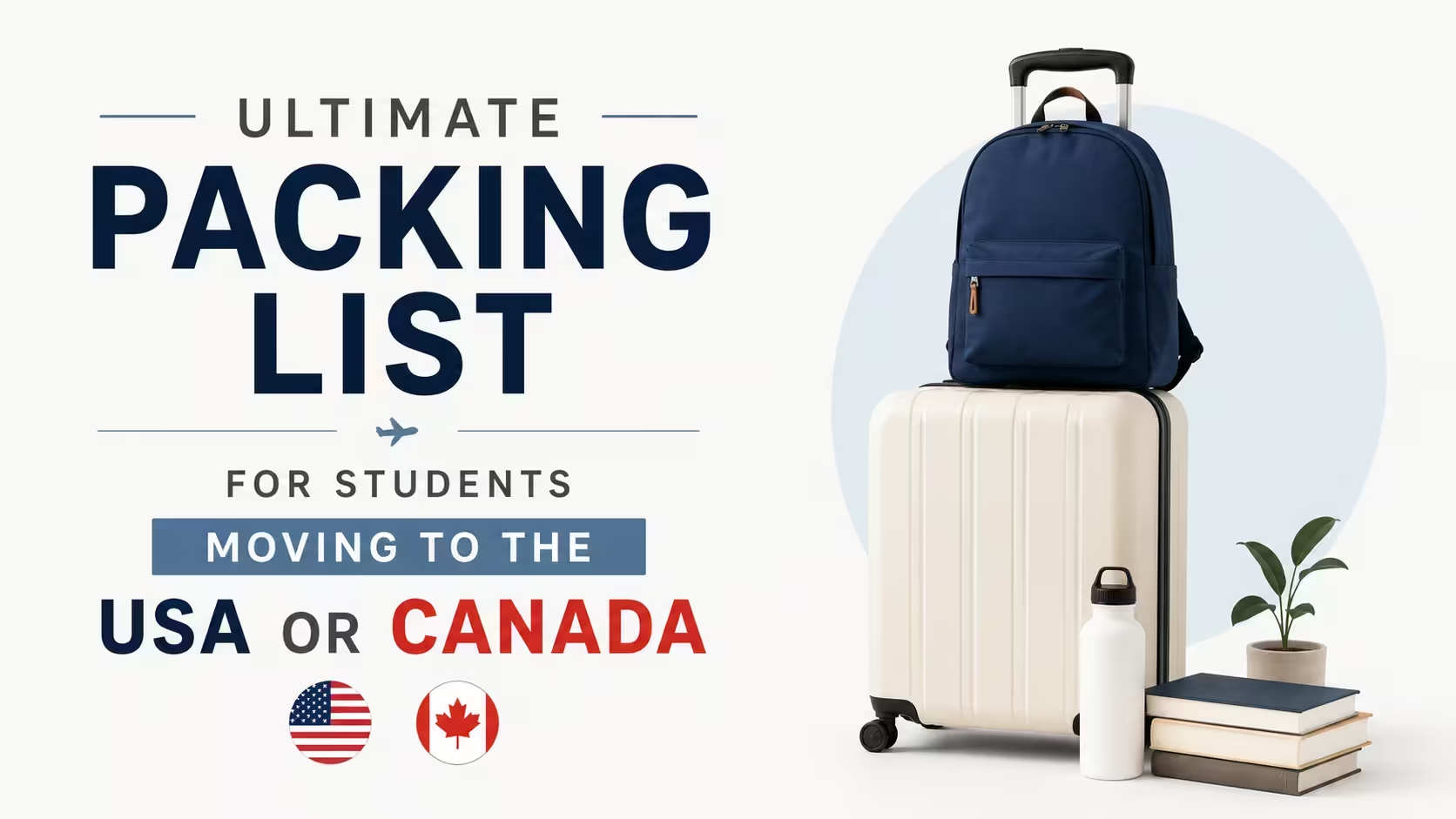
In this guide, I will share exactly what to pack when moving to the USA/Canada as a student.
I will go step by step, with simple lists, real classroom stories, and practical tips that actually work.
By the end, you will feel confident and ready. Let’s make your move smooth and stress-free!
Moving abroad is a huge change. The weather is different, shops may not have your favorite snacks, and you want to save money on buying everything new.
My students always tell me that a good packing list saved them time, money, and worry in the first weeks.
This article covers documents, clothes, electronics, health items, kitchen basics, and more.
I will also share common mistakes I have seen in my classes and easy English practice tasks to build your confidence before you fly.
Why Packing Smart Matters for International Students
Packing is not just about filling a bag. It is about starting your student life strong. When you arrive in New York, Toronto, or California, you want to focus on classes, new friends, and adjusting – not on running to stores because you forgot something important.
From my 10+ years of teaching, I know that students who pack well feel more confident. They sleep better on their first night and join conversations faster. One of my online students from Mumbai told me, “Teacher, because I had my adapter and medicines, I could call home right away and focus on my English practice instead of worrying.”
In my classroom, we often spend one full lesson on this topic. Students share their packing lists, and we role-play airport questions in English. It helps them practice speaking clearly and builds real confidence. That is why this guide includes both practical packing advice and small English activities you can do at home.
Essential Documents: Never Leave Home Without These
Documents are the most important thing to pack when moving to the USA/Canada as a student. Always keep originals in your carry-on bag, never in checked luggage. Make photocopies and digital scans too. Store copies on your phone and email them to yourself.
Here is what you need:
- Passport (valid for at least six months after your planned return date)
- Student visa (F-1 for USA or study permit approval letter for Canada)
- I-20 form (for USA) or Letter of Introduction / Port of Entry letter (for Canada)
- Letter of acceptance from your college or university
- Proof of funds (bank statements, loan letters, or scholarship papers)
- SEVIS fee receipt (USA only)
- Provincial Attestation Letter if required for Canada
- Health insurance documents and immunization records
- Flight tickets and address of your first stay in the USA or Canada
- Small amount of US or Canadian dollars (about $200–300 in small bills)
In my spoken English classes, I always ask students to practice explaining these documents. One student once forgot his I-20 in checked luggage. The immigration officer asked questions, but he could not answer clearly because he was nervous. He learned the hard way. Now, in every class, we practice: “This is my I-20 form from XYZ University. I am here to study computer science.”
Mini English practice task: Stand in front of a mirror. Hold your documents and say out loud: “Good morning. I am a student at [University name]. Here is my I-20 and passport.” Record yourself on your phone. Listen and improve your pronunciation. This simple exercise takes five minutes but makes a big difference at the airport.
Clothing: Prepare for Four Seasons in One Suitcase
Weather in the USA and Canada changes a lot. Summers can be hot, winters very cold, especially in Canada or northern states. My students from warm places like Delhi often underestimate the cold. One boy in my offline class arrived in Toronto in January wearing only a light jacket. He spent his first week buying expensive winter clothes with his limited student budget.
Pack layers so you can add or remove clothes easily. Bring enough for two weeks because laundry is easy and cheap on campus.
Essential clothing list:
- Underwear and socks (14 pairs each – easy to wash)
- T-shirts and shirts (mix of short and long sleeves)
- Jeans, trousers, and comfortable leggings
- One warm winter jacket (waterproof is best)
- Sweaters or hoodies (2–3)
- Rain jacket or umbrella
- One set of formal clothes (for job interviews or presentations)
- Traditional clothes for cultural events or festivals (you will miss home festivals)
- Comfortable walking shoes, sneakers, and one pair of warm boots
- Sleepwear and a light scarf or shawl
- Gloves, hat, and scarf for winter
Buy heavy items like big coats or bedding in the USA or Canada at stores like Walmart or Target. They are cheaper and better quality for local weather.
Classroom tip: In my online spoken English sessions, we do a fun activity called “Describe Your Outfit.” Students stand up and say, “I am wearing a blue sweater because it is cold in Canada.” It builds fluency and helps them think in English about daily life.
Electronics and Gadgets: Stay Connected and Study Smart
Electronics are key for student life. You will use them for classes, calling home, and making friends. But remember: USA and Canada use 110-120V power and Type A or B plugs. If you are coming from India, bring a good plug adapter. Most laptops and phone chargers are dual voltage, so you only need the adapter, not a heavy converter.
What to bring:
- Laptop and charger (most important item!)
- Phone (unlocked for local SIM card)
- Phone charger and power bank
- Universal travel adapter (with USB ports)
- Headphones or earphones
- USB drive or external hard drive for study files
- Small calculator (if your course needs it)
Do not bring a hair dryer or big appliances. They take too much space and you can buy cheap ones locally.
In one of my classes, a student from Bangalore forgot his adapter. For three days he could not charge his phone properly and missed important welcome emails. After that, I added “adapter check” to every student’s packing checklist.
English practice for fluency: Before you pack, describe each gadget in English: “My laptop helps me attend online lectures and write assignments.” Practice with a friend on video call. This builds confidence for talking to roommates or professors.
Health and Personal Care Items: Stay Healthy from Day One
Health is everything when you are far from home. Bring enough medicine for the first 30–60 days. Doctors in the USA and Canada may need time to prescribe the same brands.
Pack these:
- Any prescription medicines in original bottles with doctor’s note
- Basic medicines for headache, cold, stomach upset, and fever
- First-aid kit (band-aids, antiseptic cream)
- Glasses or contact lenses plus extra pair
- Toothbrush, toothpaste, soap, shampoo (travel size for carry-on)
- Sanitary products (if needed – brands are available but you may prefer your usual ones)
- Small towel and face mask (useful during travel)
Check customs rules. You must declare medicines and keep them in original packaging. Fresh food, meat, or dairy is usually not allowed.
One of my students shared in class how she packed her mother’s homemade pickle in a sealed jar. She declared it properly and the officer allowed it. But another student hid snacks and got nervous at customs. Honesty is always best.
Confidence-building activity: In my teaching, we practice health-related English. Say: “I have a headache. Do you have any medicine?” Role-play with your family. It prepares you for real situations and reduces shyness.
Kitchen and Household Essentials: Cook Your Favorite Meals
Dorm rooms often have shared kitchens. Bringing a few Indian items makes you feel at home and saves money.
Safe options (check latest customs rules and declare everything):
- Small packet of your favorite spices or masala (sealed and labeled)
- Instant noodles or ready-to-eat packets (no meat)
- Favorite tea or coffee powder
- Small pressure cooker or cooker if allowed by airline weight (many students buy locally)
- Steel plates, spoon, and mug (lightweight)
Do not bring large utensils, pillows, or bedding. Buy them cheap after you arrive. Many universities have “free” groups on Facebook where seniors give away items.
In my classroom, we once did a group activity: students listed “five Indian foods I miss” and practiced English sentences like “I miss my mother’s dal. I will cook it in the dorm kitchen.”
What NOT to Pack: Avoid These Common Errors
Overpacking is the biggest mistake I see. Airlines usually allow two checked bags of 23 kg each plus a carry-on. Extra weight costs a lot.
Do not pack:
- Fresh fruits, vegetables, meat, or dairy (customs will take them)
- Too many clothes or shoes (buy locally)
- Large furniture or appliances
- Lots of cash (use cards and ATM)
- Lithium batteries in checked bags (keep in carry-on)
One student in my online batch packed 30 kg of clothes and paid $200 extra at the airport. He learned to weigh his bag at home with a bathroom scale.
Common Student Mistakes I Have Seen in My Classes
Over 10 years, I have noticed the same errors:
- Forgetting warm clothes for winter.
- Packing documents in checked luggage.
- Bringing too much Indian food without checking rules.
- Not practicing English for immigration questions.
- Ignoring airline baggage limits.
In every class, I share these stories so new students avoid the same problems. One girl cried on video call because she had no warm socks in Canada. Now she helps me update this list every year.
How to Practice Spoken English While Preparing to Move
Packing is the perfect time to improve your English. My students who practiced speaking before travel felt more confident on arrival.
Try these simple activities:
- Describe every item as you pack: “I am packing two sweaters for cold days in Canada.”
- Role-play airport check-in with a friend: “Excuse me, where is gate number 12?”
- Record a 1-minute video explaining your packing list.
These exercises develop fluency and listening skills. Progress takes time, but consistent practice works. I tell every student: small daily practice beats last-minute cramming.
Practical classroom application: In both my offline and online classes, we turn packing day into an English lesson. Students bring their suitcases (or photos) and present them. Everyone gives feedback on pronunciation and vocabulary. It is fun, practical, and builds real confidence for the journey.
Final Packing Tips for a Smooth Journey
- Weigh your bags at home.
- Put important items and one change of clothes in carry-on.
- Label every bag clearly.
- Download offline maps and university apps before you fly.
- Tell your family your flight details.
Start packing two weeks early. Check your university website for any special advice.
Conclusion: You Are Ready for Your New Adventure
Now you know exactly what to pack when moving to the USA/Canada as a student. From documents and clothes to electronics and a few home comforts, this list comes from real experience helping students like you. Remember, the goal is not to carry everything but to carry what matters most for your first weeks.
As your English teacher, I want you to arrive confident, healthy, and ready to learn. Take time every day to practice your spoken English. Small steps lead to big success. You have worked hard to reach this point – now enjoy the journey!
Safe travels, and feel free to share your own packing stories in the comments. You’ve got this!
(Word count: approximately 3020)
FAQs About What to Pack When Moving to the USA/Canada as a Student
1. Can I bring Indian food and spices?
Yes, but only sealed, labeled packets. Declare everything at customs. Fresh food and meat are usually not allowed.
2. Do I need a voltage converter for my laptop?
Most modern laptops and chargers work on 110-120V. Just bring a plug adapter for USA/Canada sockets.
3. What if I forget something important?
Most things are available in the USA or Canada at reasonable prices. Focus on documents, medicines, and warm clothes first.
4. How much cash should I carry?
$200–300 in small bills is enough for the first day. Use cards and ATMs after that.
5. Should I pack winter clothes if I am going in summer?
Yes, pack at least one warm jacket. Winters come quickly, and buying everything at once is expensive.
Pack smart, practice your English daily, and enjoy your new student life!
Explore more topics here:
- Cheapest Cities for Students in the USA and Canada (2026 Guide)
- How to Adjust to Life in USA/Canada as a Student: Practical Tips
- How to Save Money as a Student in the USA/Canada: Complete Guide
- English for Immigrants Working in the USA (Essential Communication Guide)
- First Job in Canada Guide: What You Must Know Before You Start
- Jobs in Germany for English Speakers: The Complete Beginner’s Guide (2026)
📚 Continue Learning English
Choose your next lesson and keep improving your English skills with our free English learning resources.