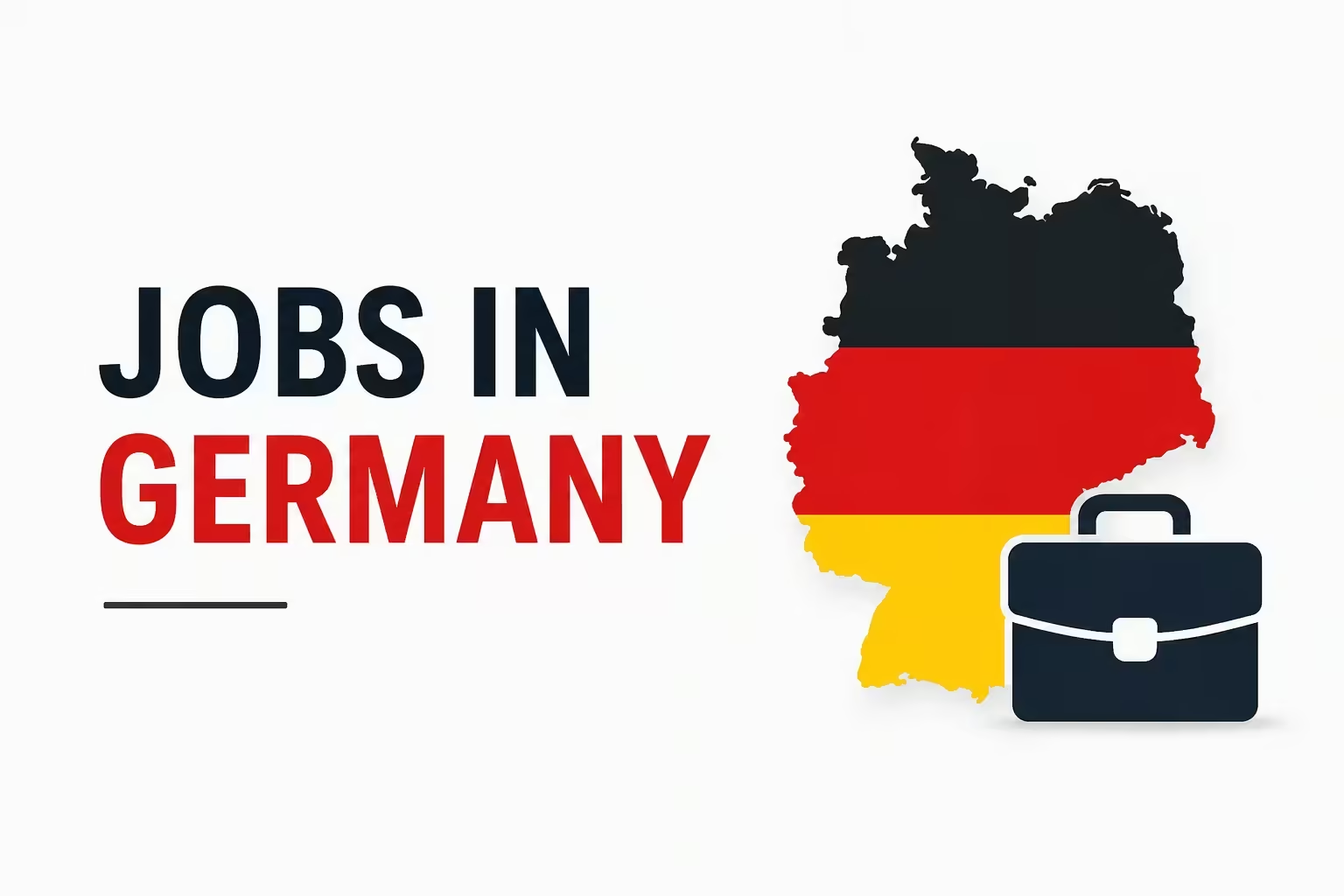
Introduction: Can You Really Work in Germany Without Speaking German?
The short answer is yes — and thousands of people do it every year.
Germany is one of the strongest economies in the world. It has a massive demand for skilled workers across tech, engineering, healthcare, and business. And the good news? Many German companies actively hire English speakers, even if you don’t speak a word of German.
Whether you’re a student looking for an internship, a freelancer exploring remote opportunities, or a job seeker ready to relocate, jobs in Germany for English speakers are more accessible than most people think.
This guide will walk you through everything you need to know — from the best industries to target, to how to apply, and what to watch out for along the way.
Let’s dive in.
Why Germany Is a Top Destination for English-Speaking Job Seekers
Germany isn’t just a beautiful country with great food and history. It’s a global business hub with serious career opportunities.
Here’s why so many English speakers are making the move:
- Strong economy: Germany has the largest economy in Europe and the fourth largest in the world.
- Low unemployment rate: Skilled workers are in high demand across multiple sectors.
- Good salaries: Average salaries are significantly higher than in many other European countries.
- Work-life balance: Germans take vacation time, working hours, and employee rights seriously.
- International companies: Hundreds of multinational corporations have their European headquarters in Germany.
- Growing tech scene: Berlin, Munich, and Hamburg are becoming major European tech hubs.
Germany also has a well-known “Fachkräftemangel” — which literally means a shortage of skilled workers. That’s actually great news for you as a job seeker.
Who Can Apply for Jobs in Germany as an English Speaker?
Before we get into the job types, let’s cover who can actually apply.
EU/EEA Citizens:
If you’re from the European Union or European Economic Area, you have the right to live and work in Germany without a visa. The process is straightforward.
Non-EU Citizens:
You’ll need a work visa or job seeker visa. Germany introduced the Skilled Immigration Act (Fachkräfteeinwanderungsgesetz) in 2020, making it easier for non-EU skilled workers to get approved.
Students:
If you’re enrolled at a German university, you can work up to 20 hours per week. International students from outside the EU can also apply for a student visa that includes work rights.
Freelancers:
Germany has a specific freelancer visa called the “Freiberufler” visa. It’s popular among writers, developers, designers, and consultants.
The Best Industries for English-Speaking Jobs in Germany
Not every industry in Germany operates in English. But many do — especially at international or multinational companies.
Here are the top sectors where English speakers consistently find work:
1. Information Technology (IT) and Tech Startups
This is the biggest and fastest-growing area for English speakers in Germany.
Companies like SAP, Zalando, N26, Delivery Hero, and hundreds of Berlin startups hire in English daily. If you have skills in:
- Software development (Python, JavaScript, Java)
- Data science or data engineering
- Cybersecurity
- UX/UI design
- Product management
- DevOps or cloud computing
…you are in very high demand right now.
Average Salary: €50,000 – €90,000 per year depending on experience and role.
2. Engineering and Manufacturing
Germany is famous for its engineering. Companies like BMW, Volkswagen, Siemens, and Bosch operate globally and often require English-speaking engineers for international project teams.
Roles in demand include:
- Mechanical engineers
- Electrical engineers
- Software engineers in manufacturing (Industry 4.0)
- Project managers
Average Salary: €55,000 – €85,000 per year.
3. Finance and Banking
Frankfurt is the financial capital of Europe, especially after Brexit pushed many financial institutions from London to Germany.
English-speaking roles are common in:
- Investment banking
- Financial analysis
- Risk management
- Fintech startups
- Consulting firms like McKinsey, BCG, and Deloitte
Average Salary: €60,000 – €120,000+ depending on the role.
4. Healthcare and Medicine
Germany has a serious shortage of doctors, nurses, and healthcare professionals. If you have a medical background, Germany actively recruits internationally.
Note: For clinical roles, you may eventually need German language skills to communicate with patients. However, research positions and international healthcare management roles can operate entirely in English.
5. Academia and Research
Germany has world-class universities and research institutions like the Max Planck Society and Fraunhofer Institutes. These organizations often operate in English, especially at the PhD and postdoctoral level.
If you’re in STEM, social sciences, or humanities with research experience, this is a strong path.
6. Customer Support and Sales (International Teams)
Many companies with global customers hire English-speaking customer support agents and sales representatives. If you’re fluent in English plus one or two other languages, your chances increase even more.
7. Teaching and Education
English teachers are in consistent demand across Germany. You can find work through:
- Language schools (Berlitz, Inlingua, Wall Street English)
- Private tutoring (in person or online)
- International schools
- Corporate English training programs
Average Salary: €25,000 – €40,000 per year (higher for corporate trainers).
Top Cities in Germany for English-Speaking Jobs
Location matters a lot. Some cities are far more English-friendly than others.
Berlin
Berlin is the startup capital of Germany and arguably the most international city. English is widely spoken, and the startup and tech scene is booming. It’s also one of the most affordable major European capitals.
Munich
Munich is home to major corporations like BMW, Allianz, and MAN. It’s more formal than Berlin but offers excellent salaries and quality of life. Rent is higher, but salaries match.
Frankfurt
If finance is your path, Frankfurt is your city. It’s the home of the European Central Bank and dozens of major banks and consulting firms.
Hamburg
Hamburg has a strong media, logistics, and maritime industry. It’s also highly international and has a large English-speaking expat community.
Düsseldorf and Cologne
Both cities are major business hubs with a strong presence of international companies, especially in marketing, retail, and media.
How to Find Jobs in Germany as an English Speaker
Now let’s get practical. Here’s where and how to actually search for jobs.
Top Job Boards for English-Speaking Roles in Germany
- LinkedIn – The most widely used platform for professional jobs. Set your location to Germany and filter by “English” or specific job title.
- Indeed Germany (de.indeed.com) – Search with English keywords to find roles at international companies.
- XING – Germany’s local professional network, similar to LinkedIn. Many German recruiters are active here.
- Glassdoor – Useful for both job search and checking company reviews and salary data.
- StepStone – One of Germany’s most popular job boards, with an English-language interface available.
- Jobspresso, Remote.co, and We Work Remotely – Great if you want to work for a German company remotely from abroad.
- Startup.jobs and AngelList (Wellfound) – Ideal for finding startup roles in Berlin and other tech cities.
Tips to Stand Out in the German Job Market
German hiring culture has some specific expectations. Here’s what you need to know:
- Use a European-style CV: Include a professional photo, date of birth (optional), and detailed work history. German employers expect more detail than UK or US resumes.
- Write a strong cover letter (Anschreiben): German companies take cover letters seriously. Customize every single one.
- Show certifications and qualifications: Germans value credentials. List your degrees, courses, and certifications clearly.
- Be precise and professional: Avoid overly casual language in applications. Keep it formal but genuine.
- Apply early: German hiring cycles can be slow. Apply as soon as jobs are posted.
Do You Need to Learn German to Work in Germany?
This is one of the most common questions — and the answer depends on your role.
You probably don’t need German if:
- You work in tech, data, or software development
- You’re employed by an international company with English as the working language
- You work remotely for a German-based company
- You’re in research or academia
You will likely need German if:
- You work in customer-facing roles with German clients
- You work in healthcare, law, or social services
- You want to access mid-level management roles long-term
- You plan to become a permanent resident
Pro tip: Even if your job doesn’t require German, learning basic German (A1–B1 level) shows cultural respect and helps enormously with daily life — renting an apartment, dealing with bureaucracy, making friends.
Apps like Duolingo, Babbel, and Pimsleur are great starting points. Many employers also offer free German classes as a benefit.
Salaries, Taxes, and What You’ll Actually Take Home
Germany has high salaries — but also high taxes. Let’s be transparent about that.
Germany has a progressive income tax system. You can roughly expect:
- Gross salary of €40,000: Take home approximately €27,000–€29,000 per year
- Gross salary of €60,000: Take home approximately €38,000–€41,000 per year
- Gross salary of €80,000: Take home approximately €49,000–€53,000 per year
These numbers vary based on your tax class, church tax (if applicable), and whether you have dependents.
Use tools like Brutto-Netto Rechner (available free online) to calculate your exact take-home pay based on your specific situation.
Despite the taxes, the trade-off is significant: Germany offers free or low-cost public healthcare, subsidized childcare, strong pension contributions, and excellent public infrastructure.
Scam Warning: Watch Out for Fake Job Offers
Unfortunately, Germany is not immune to job scams. Here are red flags to watch out for:
- Jobs that promise extremely high salaries for low-skilled work — if it sounds too good to be true, it is.
- Employers who ask for money upfront — legitimate employers never charge you to apply or get hired.
- Requests for your passport or bank details before a formal offer — this is identity theft risk.
- Jobs advertised only on WhatsApp or Telegram — legitimate companies use professional channels.
- No verifiable company information — always Google the company name + “reviews” or check on LinkedIn before applying.
Always verify job listings on the company’s official website. If you’re unsure, search the company on LinkedIn to confirm it’s a real business.
Freelancing in Germany as an English Speaker
If you’re a freelancer, Germany is actually one of the best countries in Europe for you.
Germany officially recognizes “Freiberufler” (freelancers) as a legal business category. You can register as a freelancer and work legally with clients worldwide — including German companies.
Popular freelance fields for English speakers in Germany:
- Web development and software engineering
- Graphic design and UX
- Content writing and copywriting
- Marketing and social media management
- Translation (English to/from other languages)
- Business consulting
How to register as a freelancer in Germany:
- Register at the local Finanzamt (tax office)
- Get a tax number (Steuernummer)
- If you earn above the VAT threshold, register for VAT
- Open a German business bank account
- Start invoicing clients
Many freelancers in Berlin and Munich live comfortable lives earning €3,000–€8,000+ per month working with international clients while enjoying Germany’s quality of life.
Actionable Steps to Land a Job in Germany This Year
Let’s bring it all together. Here’s your step-by-step action plan:
- Decide your goal – Are you relocating, working remotely, or freelancing? Get clear on this first.
- Update your CV to European standards – Professional photo, detailed work history, relevant certifications.
- Set up LinkedIn – Optimize your profile with keywords, a professional headline, and your Germany-based job preference.
- Create a XING profile – Many German recruiters still use this platform actively.
- Start applying on StepStone, Indeed, and LinkedIn – Aim for at least 10 applications per week.
- Join expat communities – Facebook groups like “Expats in Berlin” or “Jobs in Germany for English Speakers” connect you with real opportunities and advice.
- Network online and offline – Attend Meetup.com events in your target city or virtual events for your industry.
- Research visa requirements early – Don’t wait until you have a job offer to learn about visa timelines.
- Start basic German – Even one month of Duolingo shows commitment.
- Be patient and persistent – German hiring processes can take 4–8 weeks. Stay consistent.
Conclusion: Your Career in Germany Starts Today
Jobs in Germany for English speakers are real, plentiful, and within your reach — if you approach the process strategically.
Germany’s economy is hungry for skilled talent. Whether you’re in tech, finance, healthcare, education, or freelancing, there’s a genuine path forward for you.
The key is to start now. Update your CV, sign up on LinkedIn and StepStone, research your visa options, and take that first step. Thousands of English speakers are already building great careers and lives in Germany. There’s no reason you can’t be next.
Good luck — and as the Germans say, Viel Erfolg! (Much success!)
Frequently Asked Questions (FAQs)
Q: Can I get a job in Germany if I only speak English?
Yes. Many companies — especially in tech, finance, and international business — operate entirely in English. However, learning basic German significantly improves your long-term prospects and daily life.
Q: What is the easiest job to get in Germany as an English speaker?
English teaching, customer support at international companies, and entry-level tech roles are among the most accessible starting points for English speakers.
Q: How do I apply for a job seeker visa for Germany?
You can apply at the German embassy in your home country. You’ll need a university degree or vocational qualification, proof of funds (around €5,000), and health insurance. The visa allows you to stay in Germany for 6 months while job hunting.
Q: Is it hard to find a job in Germany without speaking German?
It depends on the industry. In tech and startups, it’s quite achievable. In healthcare, law, or public services, German language skills are generally required.
Q: What is the average salary for English-speaking jobs in Germany?
It varies by role. Tech and finance roles range from €50,000 to €100,000+. Teaching roles range from €25,000 to €40,000. Freelancers can earn anywhere from €2,000 to €10,000+ per month depending on their skills and client base.
Q: Do I need to live in Germany to work for a German company?
Not always. Many German companies now hire remotely, especially in tech. However, some roles require you to be physically based in Germany for legal and tax reasons.
Q: Is Germany good for expats?
Yes. Germany consistently ranks highly for quality of life, safety, healthcare, and economic stability. Cities like Berlin and Hamburg are particularly expat-friendly with large international communities.
Recommended posts:
- Business English for Presentations: Useful Phrases & Tips
- Spoken English for Daily Life: Complete Guide with Sentences and Phrases
- Office Communication Skills in English for US Professionals
- English for Public Speaking: Build Confidence and Clarity
- First Job in Canada Guide: What You Must Know Before You Start
- English for Negotiation: Powerful Phrases That Work (Complete Guide for ESL Learners)
📚 Continue Learning English
Choose your next lesson and keep improving your English skills with our free English learning resources.