Learning English has never been more accessible than it is today. With the rise of online education, students around the world can now improve their English skills from the comfort of their homes.
Table of Contents
ToggleBut what makes online English learning so effective?
In this guide, we’ll explore the key advantages of studying English online and share practical tips to help you succeed.
This post is helpful for:
-
English beginners who want to build a strong basics
-
ESL learners improving daily communication skills
-
Kids and school students learning English step by step
-
College students preparing for exams and interviews
-
Working professionals who want to speak English with confidence
What Does “Studying English Online” Mean?
Before we dive into the benefits, let’s clarify what online English learning involves. Studying English online means using internet-based platforms, apps, or virtual classrooms to learn and practice English. This can include:
- Live video lessons with teachers
- Self-paced courses and video tutorials
- Language learning apps and games
- Virtual conversation practice with native speakers
- Online reading and writing exercises
Now that we understand the basics, let’s explore why millions of students worldwide are choosing this learning method.
1. Learn at Your Own Pace and Schedule
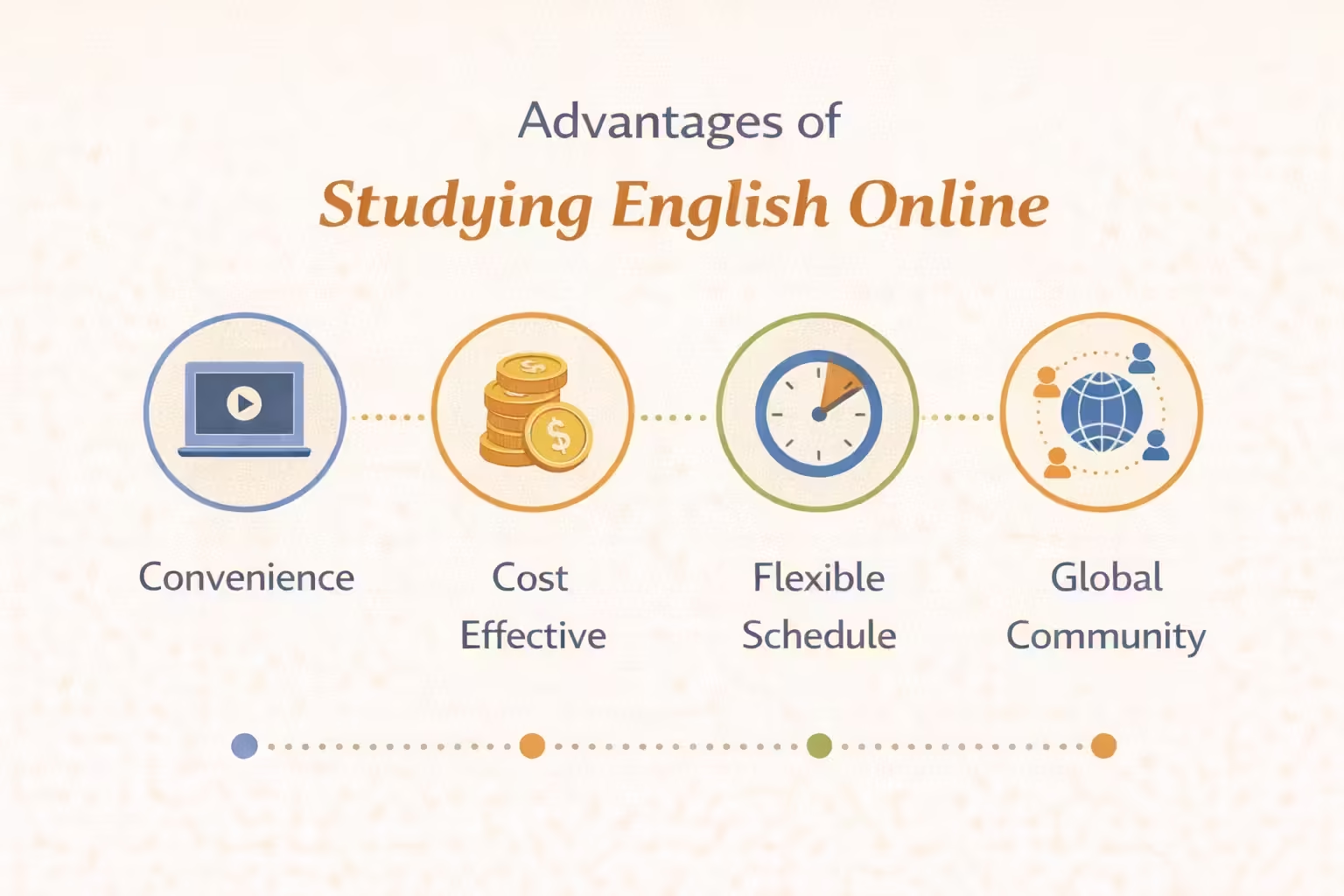
One of the biggest advantages of online English learning is flexibility. Traditional classroom settings require you to attend classes at specific times, but online learning adapts to your life.
Real-life example: I once taught a student named Maria who worked night shifts as a nurse. She couldn’t attend morning or afternoon classes, but through online lessons, we met at 10 PM her time. She progressed from beginner to intermediate level in just six months because the flexible schedule allowed her to stay consistent.
Practical Tips:
- For beginners: Start with 15-20 minutes daily rather than long, infrequent sessions. Consistency builds habits.
- For advanced learners: Schedule intensive 60-90 minute sessions twice weekly to tackle complex grammar and advanced vocabulary.
- Use calendar apps to set reminders for your study time and treat it like any important appointment.
2. Access to Global Teachers and Native Speakers
When you study English online, geography becomes irrelevant. You can learn from teachers in London, practice conversation with tutors in New York, or join study groups with students from Tokyo.
Why this matters: Different English accents and teaching styles expose you to real-world language use. British English, American English, Australian English—each has unique expressions and pronunciations. Online platforms give you access to this diversity.
I remember teaching a student from Brazil who wanted to prepare for a job interview with a Scottish company. Through online platforms, she practiced with tutors from Scotland, learning specific phrases and accent patterns that helped her succeed in her interview.
Practical Tips:
- For beginners: Start with one teacher to build consistency, then gradually expose yourself to different accents through podcasts or videos.
- For advanced learners: Deliberately choose tutors from different English-speaking countries to expand your accent comprehension and cultural knowledge.
3. Cost-Effective Learning Options
Online English courses are often significantly cheaper than traditional in-person classes. You save money on:
- Transportation costs
- Physical textbooks (most materials are digital)
- Facility fees
- Sometimes even tuition itself
Key term: Cost-effectiveness means getting maximum value for your money—achieving your learning goals while spending less.
Many quality resources are even free. Websites, YouTube channels, and language exchange platforms let you practice without spending anything. Paid options like subscription apps or private tutors online still cost less than traditional language schools.
Practical Tips:
- For beginners: Start with free resources like Duolingo, BBC Learning English, or YouTube channels to build foundation skills before investing in paid courses.
- For advanced learners: Invest in specialized courses for your needs (business English, academic writing, exam preparation) rather than general courses.
- Look for trial periods or money-back guarantees before committing to expensive programs.
4. Personalized Learning Experience
Online platforms use technology to customize your learning journey. Many apps and websites track your progress, identify weak areas, and suggest specific exercises to improve.
In traditional classrooms with 20-30 students, teachers cannot always address individual needs. Online learning solves this problem.
Real classroom example: I taught two students simultaneously online—one struggling with pronunciation, another with grammar. I could send personalized homework: pronunciation drills to one student and grammar exercises to the other. Both improved faster than they would have in a one-size-fits-all classroom.
Practical Tips:
- For beginners: Use apps that adapt to your level and provide instant feedback, like Babbel or Memrise.
- For advanced learners: Seek one-on-one online tutoring where lessons focus entirely on your specific goals (presentation skills, accent reduction, industry-specific vocabulary).
- Take notes on your common mistakes and review them weekly to see your progress.
5. Comfortable Learning Environment
Learning environment refers to the physical and emotional space where studying happens. Online learning lets you create your ideal study space.
Some students feel nervous speaking English in front of classmates. At home, they feel more relaxed and willing to make mistakes—which is essential for learning. You can wear comfortable clothes, have your notes nearby, and even keep a cup of tea handy.
Trust tip: Research shows that reduced anxiety improves language acquisition. When you’re comfortable, your brain processes new information more effectively.
Practical Tips:
- For beginners: Create a dedicated, quiet study corner with good lighting and minimal distractions.
- For advanced learners: Occasionally challenge yourself by practicing in different environments (cafes, parks with headphones) to prepare for real-world situations.
- Keep essential tools nearby: dictionary, notebook, and headphones.
6. Access to Unlimited Resources and Materials
The internet offers an endless library of English learning materials:
- Video lessons on every grammar topic imaginable
- Interactive quizzes and games
- Podcasts for listening practice
- Online newspapers and magazines for reading
- Writing forums where native speakers provide feedback
Key term: Digital resources are learning materials available in electronic format that you can access anytime, anywhere.
In traditional schools, you’re limited to textbooks the teacher chooses. Online, you’re free to explore topics that interest you, making learning more engaging.
Practical Tips:
- For beginners: Focus on one or two high-quality resources initially to avoid overwhelm. BBC Learning English and EnglishClub.com are excellent starting points.
- For advanced learners: Read content you’re passionate about (tech blogs, cooking sites, news about your hobbies) to maintain motivation while learning.
- Bookmark useful websites and organize them in folders: Grammar, Vocabulary, Listening, etc.
7. Immediate Feedback and Progress Tracking
Many online platforms provide instant feedback. Type an answer, and the system immediately tells you if it’s correct and explains why.
Progress tracking means monitoring your improvement over time through tests, quizzes, and skill assessments.
Traditional teachers might take days to grade homework. Online tools respond in seconds, allowing you to correct mistakes immediately while the lesson is fresh in your mind.
Practical Tips:
- For beginners: Use apps with gamification (points, streaks, levels) to stay motivated. Celebrate small wins.
- For advanced learners: Take monthly self-assessments to measure improvement in specific skills. Record yourself speaking and compare recordings over time.
- Keep a learning journal noting new words learned, mistakes corrected, and concepts mastered each week.
8. Technology-Enhanced Interactive Learning
Online learning uses technology to make lessons more engaging:
- Interactive videos that pause to ask questions
- Virtual reality for immersive language practice
- AI chatbots for unlimited conversation practice
- Screen sharing to review documents together in real-time
I once used screen sharing to help a student edit his university application essay. We worked through it paragraph by paragraph, and he learned valuable writing skills while improving his actual essay.
Practical Tips:
- For beginners: Try voice recognition apps that help you practice pronunciation and give immediate feedback on your accent.
- For advanced learners: Use advanced tools like Grammarly to analyze your writing style and learn sophisticated grammar patterns.
- Experiment with different technologies to find what works best for your learning style.
9. Safe Space to Make Mistakes
Making mistakes is the most important part of learning any language. Online environments often feel safer for experimenting with new words and grammar structures.
In my experience teaching online, students ask more questions and attempt more challenging sentences than they would in traditional classrooms. The one-on-one or small group setting reduces peer pressure and embarrassment.
Practical Tips:
- For beginners: Remember that every expert was once a beginner. Allow yourself to sound imperfect.
- For advanced learners: Actively push yourself to use new, complex structures even if you might make mistakes. Growth happens outside your comfort zone.
- Record yourself speaking and review it privately to identify areas for improvement without judgment from others.
10. Building Digital Skills Alongside Language Skills
When you study English online, you simultaneously develop valuable digital literacy skills—the ability to use technology effectively. You learn to:
- Navigate different platforms and software
- Communicate professionally through email and video calls
- Search efficiently for information online
- Use digital tools for productivity
These skills are increasingly important in today’s job market.
Practical Tips:
- For beginners: Don’t feel intimidated by technology. Most platforms are user-friendly and offer tutorials.
- For advanced learners: Master professional communication tools like Zoom, Slack, and Microsoft Teams in English—these are valuable workplace skills.
Getting Started with Online English Learning
Ready to begin your online English learning journey? Here’s a simple step-by-step plan:
Step 1: Assess your current level honestly. Take a free online placement test.
Step 2: Set clear, specific goals. Instead of “improve English,” try “hold a 10-minute conversation about my job” or “write professional emails without errors.”
Step 3: Choose 2-3 resources or platforms that match your level and learning style.
Step 4: Create a consistent study schedule. Daily practice, even for 15 minutes, beats occasional long sessions.
Step 5: Track your progress weekly and adjust your approach as needed.
Conclusion: Your Path to English Fluency
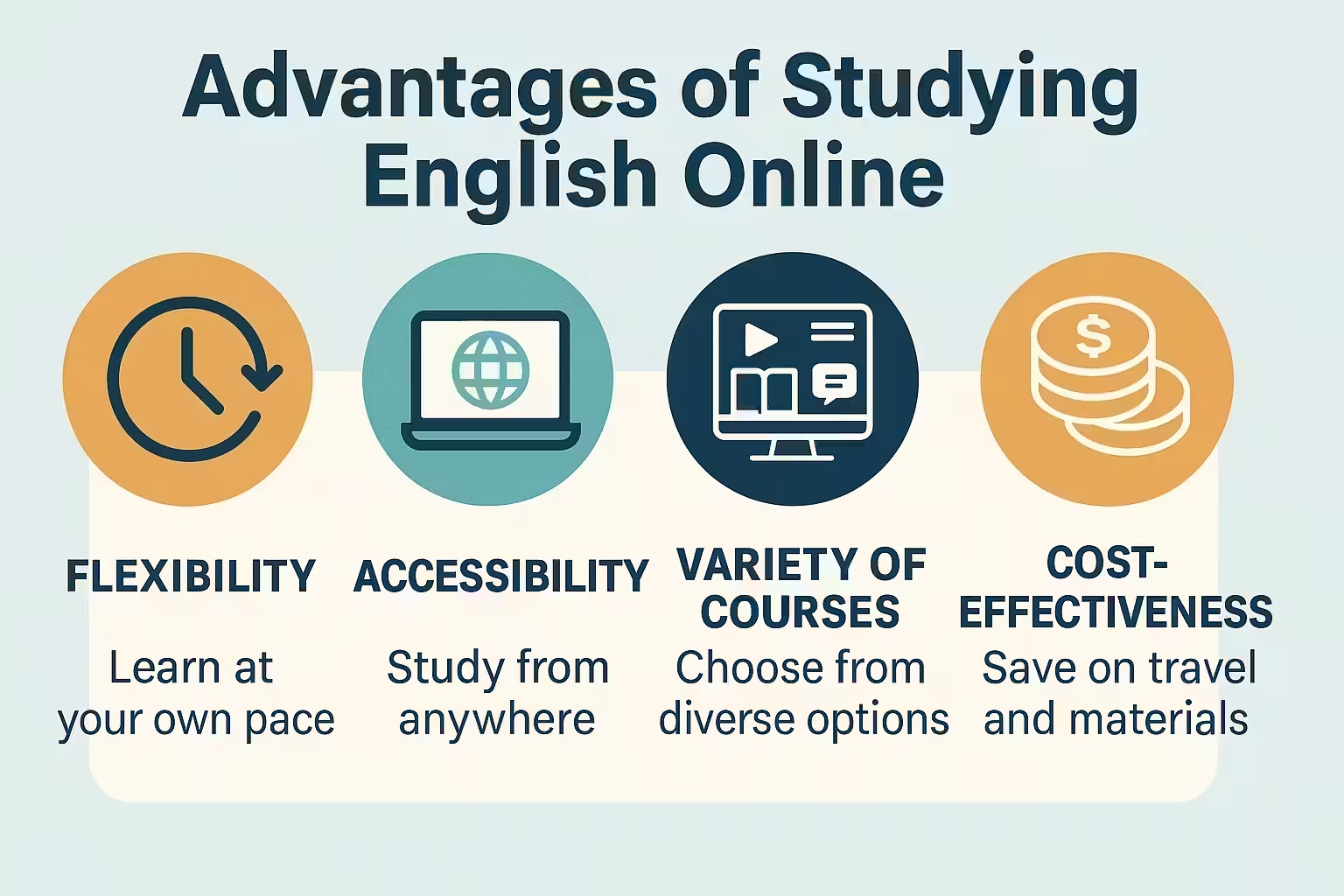
Studying English online offers incredible advantages: flexibility, affordability, personalized learning, access to global teachers, and unlimited resources. Whether you’re a complete beginner or an advanced learner polishing your skills, online learning can help you achieve your goals.
Remember, the best learning method is the one you’ll stick with consistently. Online English learning removes many traditional barriers—cost, location, rigid schedules—making it easier than ever to commit to your language journey.
Start small, stay consistent, and celebrate your progress along the way. Every conversation you understand, every email you write, every new word you learn brings you closer to fluency.
Your English learning adventure is just a click away. What will you learn today?
Frequently Asked Questions (FAQs)
What makes studying English online more comfortable than traditional classroom learning?
Online English learning offers the flexibility to attend classes from the comfort of your home, allowing you to wear pajamas, sip coffee, and create a personalized and cozy learning environment.
How flexible are online English courses in terms of scheduling?
Online English courses provide unmatched flexibility, allowing learners to choose their own study hours and pace, catering to both early birds and night owls.
How does online English learning break geographical boundaries?
Online English learning creates a global classroom, connecting learners from around the world. This diversity adds a cultural richness to the learning experience, offering a unique opportunity to interact with people from different backgrounds.
What digital tools are available for online English learners?
Online English learners have access to a variety of digital tools and apps that enhance the learning experience, including interactive games, language exchange platforms, and discussion forums, turning the learning process into an engaging adventure.
How diverse are the learning materials in online English courses?
Online English courses offer diverse learning materials, ranging from traditional literary texts to modern slang and viral content. Learners can explore a wide range of materials that suit their interests and preferences.
How do virtual language exchanges contribute to language practice in online learning?
Virtual language exchanges and discussion forums provide opportunities for online English learners to practice the language in real conversations. It’s like having a language buddy for casual discussions, debates, or even virtual social activities.
How does online English learning cater to those on a budget?
Online English learning is often more budget-friendly than traditional education, with reduced tuition fees, no commuting expenses, and access to affordable or free learning resources.
How does the ability to rewind and replay lessons enhance the learning experience online?
Online English learning allows learners to rewind, replay, and repeat lessons, offering the flexibility to review crucial points until they are mastered. It’s like having a personal language DJ, allowing learners to create their own learning rhythm.
What tech skills can be gained through online English learning?
Online English learning develops tech literacy skills, including proficiency in video conferencing, virtual collaboration, and navigating online platforms. Learners become adept at utilizing technology for effective language acquisition.
Is online English learning suitable for lifelong learning?
Absolutely. Online English learning is not a temporary endeavor; it encourages a lifelong learning mindset. Learners can explore advanced topics, connect with a global community, and continuously enhance their language skills throughout their lives.
Explore more interesting topics here:
- How to Develop Powerful Vocabulary
- 5 Must Know English Slang Terms
- Expand English Vocabulary Fast
- How to Build English Vocabulary: 10 Tips for Success
- Learning English Through Stories – English Conversation Between Two Friends
Want to improve more? Explore our Spoken English Practice section for practical tips and lessons.