Idioms and Phrases

English Idioms and Phrases: Learn Meanings and Use Them Naturally

English idioms and phrases are an important part of natural communication. They help you express ideas clearly, creatively, and like a native speaker. Learning idioms and phrases improves both your speaking and writing skills.

In this category, you will learn common English idioms and phrases in a simple and practical way. Each lesson is designed step by step so that you can understand meanings easily and use them correctly in real-life situations.

Instead of using basic sentences, idioms and phrases help you speak more naturally and make your English more interesting.

What You Will Learn in English Idioms and Phrases

This section covers a wide range of useful idioms and phrases, including:

  • Common idioms used in daily conversations
  • Popular English phrases with meanings
  • Idioms for speaking and writing
  • Business and workplace idioms
  • Idioms for emotions and situations
  • Frequently used expressions and sayings
  • Practical usage with simple explanations

Each lesson includes meanings and easy explanations so you can understand and use idioms naturally in your communication.

Why Learning Idioms and Phrases Is Important

Learning idioms and phrases helps you:

  • Speak English more naturally and fluently
  • Understand native speakers better
  • Improve your vocabulary and expressions
  • Make your communication more interesting
  • Express ideas clearly and creatively
  • Improve writing and speaking skills

Using idioms correctly makes your English more powerful and engaging.

Learn Idioms for Real-Life Use

At Love You English, we focus on practical learning. You will learn how to use idioms and phrases in real situations such as:

  • Daily conversations and spoken English
  • Storytelling and informal communication
  • Business and workplace communication
  • Writing emails and messages
  • Understanding movies, shows, and conversations

This approach helps you use idioms naturally and confidently.

English Idioms and Phrases for All Levels

This category is useful for:

  • Beginners learning basic idioms
  • Students improving vocabulary
  • English learners aiming for fluency
  • Professionals improving communication skills
  • Anyone who wants to sound more natural in English

All lessons are written in simple English so that learners at all levels can understand easily and improve step by step.

Improve Your English Expressions Step by Step

Learning idioms and phrases helps you move from basic English to natural and fluent communication. With regular practice, you can use expressions confidently in different situations.

With regular practice, you can:

  • Use idioms correctly in conversations
  • Improve fluency and confidence
  • Understand real-life English easily
  • Express ideas in a more natural way
  • Build strong and creative vocabulary

Explore the lessons below and start learning English idioms and phrases today.

Learn idioms, speak naturally, and make your English more expressive.


Frequently Asked Questions (FAQs)

What are English idioms?

English idioms are expressions whose meanings are different from the literal meaning of the words, such as “break the ice” or “hit the books.”

What are English phrases?

English phrases are groups of words that work together to express an idea but may not form a complete sentence.

Why are idioms and phrases important?

They are important because they help you speak naturally, improve fluency, and understand native speakers better.

How can I learn idioms and phrases easily?

You can learn by practicing regularly, reading, listening, and using them in conversations.

Can beginners learn idioms?

Yes, beginners can start with simple and common idioms and gradually learn more complex ones.

Do idioms help in speaking English fluently?

Yes, idioms improve fluency and help you sound more natural while speaking.

Where are idioms used?

Idioms are used in daily conversations, writing, movies, and informal communication.

How long does it take to learn idioms?

Learning idioms takes time, but with regular practice, you can improve quickly.

For more English learning resources, visit
Love You English.

  • 25 Idioms Related to Language: Enhance Your Communication

    25 Idioms Related to Language: Enhance Your Communication is a helpful and engaging guide for learners who want to sound more natural and expressive in English. Idioms related to language are commonly used in daily conversations, books, movies, and professional settings, but they can be confusing if you don’t know their meanings. This topic introduces 25 popular language-related idioms, explains what they mean, and shows how they are used in real-life situations. Learning these idioms helps improve fluency, listening skills, and cultural understanding. Written in simple and easy English, this guide is perfect for students, English learners, teachers, and anyone looking to improve communication skills. By mastering these idioms, learners can speak more confidently, understand native speakers better, and make their English sound more lively…

  • Love Idioms: 25 English Idioms About Romance

    Love makes the world go round, and the English language is packed with colorful ways to talk about romance, relationships, and matters of the heart. Whether you’re head over heels or nursing a broken heart, these idioms will help you express your feelings in the most creative ways possible! This topic is part of our English Idioms & Phrases for English learners. Introduction: Love is in the Air Have you ever wondered why people say “love is in the air” instead of just saying “people are falling in love”? Welcome to the wonderful world of idioms – those magical phrases that make English both funny and fascinating! In this blog post, we’ll explore 30 idioms that capture the wild, wonderful, and sometimes weird world of…

  • Home Sweet Home: A Look at 25 Idioms About Home

    Home is more than just a place to live—it represents comfort, safety, and belonging. In English, this feeling is often expressed through idioms about home, which are commonly used in everyday conversations, stories, and informal writing. In this post, “Home Sweet Home: A Look at 25 Idioms About Home,” you’ll explore popular and useful idioms related to home and family life. Each idiom helps you understand how native speakers talk about comfort, familiarity, privacy, and personal space in a natural way. This guide is especially helpful for English learners, ESL students, teachers, and exam candidates who want to improve their vocabulary, speaking skills, and cultural understanding. By learning these home-related idioms, you’ll be able to sound more fluent and confident in real-life English conversations. This…

  • English Idioms: Age Related Idioms Explained Simply

    Idioms are an essential part of everyday English. They help you express ideas in a more natural, creative, and engaging way. However, many English learners find idioms difficult because their meanings are not always literal. One interesting and useful category of idioms is related to age. These idioms are commonly used in daily conversations to talk about youth, adulthood, growing older, experience, and maturity. They are not always about actual age, but they often describe situations, behavior, or stages of life in a figurative way. This blog post, “English Idioms: Age Related Idioms Explained Simply,” is designed to help you understand and use these idioms easily. Each idiom is explained in simple English, along with its meaning and clear examples, so you can see how…

  • Master English Idioms: 25 Clothing Idioms and What They Mean

    English idioms often use everyday objects to express ideas in a colorful and memorable way, and clothing is a common source of such expressions. Clothing idioms are frequently used in daily conversations, movies, books, and workplace communication, making them important for English learners to understand. In this lesson, “25 Clothing Idioms and What They Mean,” you will learn popular English idioms related to clothes, along with their clear meanings and easy explanations. These idioms will help you understand native speakers better and add a more natural, fluent touch to your spoken and written English. Whether you are a student, ESL learner, or English teacher, this idiom guide will help you expand your vocabulary and use English more confidently in real-life situations. Let’s take a look…

  • English Idioms: 25 Art Related Idioms with Examples

    English idioms add color and creativity to everyday communication, and many of them come from the world of art. Art-related idioms are commonly used to describe ideas, emotions, and situations in a vivid and expressive way. Understanding these idioms helps English learners sound more natural and confident. In this lesson, “English Idioms: 25 Art-Related Idioms with Examples,” you will learn popular idioms inspired by art, painting, and creativity, along with clear meanings and easy examples. These idioms are often used in conversations, writing, and professional communication. Whether you are a student, ESL learner, or English teacher, this guide will help you improve your vocabulary, understand figurative language, and use English idioms more effectively. This topic is part of our English Idioms & Phrases for English…

  • English Idioms: 25 Numerical Idioms and What They Mean

    Introduction: English Idioms – 25 Numerical Idioms and What They Mean Idioms are an important part of the English language. They make your speech more natural, expressive, and interesting. However, many English learners find idioms confusing because their meanings are often different from the literal meaning of the words. One interesting category of idioms is numerical idioms—idioms that include numbers. These idioms are commonly used in everyday conversations to express ideas in a creative and memorable way. For example, phrases like “at sixes and sevens” or “on cloud nine” are widely used in spoken English. This blog post, “English Idioms: 25 Numerical Idioms and What They Mean,” is designed to help you understand and use these idioms easily. Each idiom is explained in simple English,…

  • 30 Tasty Food Idioms in English with Meanings and Examples

    Idioms are a fun and important part of the English language. They make your speech more natural, colorful, and expressive. However, for many English learners, idioms can be confusing because their meanings are not always literal. One of the most interesting categories of idioms is related to food. Food idioms are widely used in everyday conversations, even when we are not talking about food at all. For example, phrases like “piece of cake” or “spill the beans” are commonly used to express ideas in a simple and creative way. This blog post, “30 Tasty Food Idioms in English with Meanings and Examples,” is designed to help you understand and use these idioms easily. Each idiom is explained in simple English, along with its meaning and…

  • 30 Popular English Proverbs Explained in Simple Words

    English proverbs are short, wise sayings that teach important life lessons. They are commonly used in everyday conversations, stories, and writing to express ideas in a clear and meaningful way. Understanding proverbs can help English learners improve both vocabulary and communication skills. In this post, “30 Popular English Proverbs Explained in Simple Words,” you’ll find commonly used English proverbs along with easy explanations that anyone can understand. These proverbs are explained in simple, clear language, making them perfect for beginners, students, and ESL learners. By learning these popular proverbs, you’ll understand English better, speak more naturally, and gain insight into everyday wisdom used by native speakers. This guide will help you use English proverbs with confidence in daily life and exams. 30 Popular English Proverbs…

  • ·

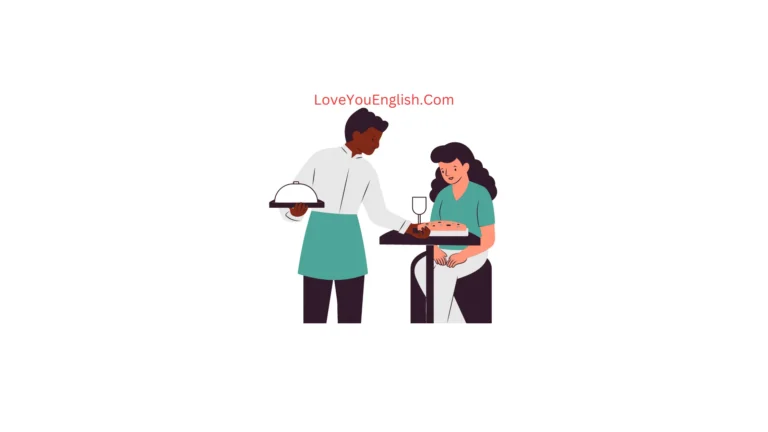
    Talking About Food in English: A Tasty Guide

    Talking About Food in English: A Tasty Guide is a fun and practical resource for learners who want to speak confidently about food in everyday conversations. Food is a common topic in daily life—whether you are ordering at a restaurant, cooking at home, traveling, or chatting with friends. However, many English learners struggle to describe tastes, dishes, ingredients, and preferences clearly. This guide introduces useful food-related vocabulary, common expressions, and simple sentence patterns used by native speakers. Written in easy and learner-friendly English, it is perfect for students, ESL learners, and anyone improving spoken English. Learning how to talk about food not only improves vocabulary but also makes conversations more natural and enjoyable. From describing flavors to sharing opinions about meals, this tasty guide helps…