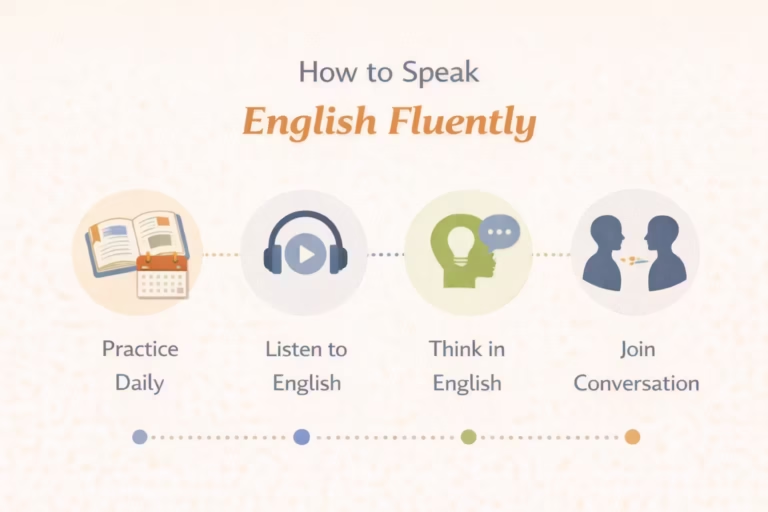
English Speaking Practice

Spoken English Practice: Improve Speaking Skills and Speak English Confidently

English Speaking Practice helps you build the confidence and fluency to speak English naturally in everyday and professional situations. Whether you’re a beginner, student, job seeker, or working professional, this category offers practical speaking lessons, real-life conversations, pronunciation tips, and interactive exercises to improve your communication skills. Learn useful English phrases, daily conversations, interview speaking, public speaking, and common expressions through simple explanations and realistic examples. Practice regularly to improve your pronunciation, expand your vocabulary, speak more confidently, and communicate effectively in any situation.

What You Will Learn in Spoken English Practice

This section covers a wide range of speaking skills, including:

  • Daily speaking practice and exercises
  • Common English sentences for conversation
  • Pronunciation and fluency improvement
  • Speaking activities and practice topics
  • Real-life conversation practice
  • Confidence-building speaking techniques
  • English for daily life and workplace communication
  • Listening and speaking practice together

Each lesson includes practical examples and activities so you can practice speaking and improve your fluency step by step.

Why Spoken English Practice Is Important

Regular speaking practice helps you:

  • Speak English confidently and fluently
  • Improve pronunciation and clarity
  • Think in English while speaking
  • Respond quickly in conversations
  • Reduce hesitation and fear of speaking
  • Improve overall communication skills

The more you practice speaking, the more natural your English becomes.

Practice Spoken English for Real-Life Situations

At Love You English, we focus on practical communication. You will practice English in situations such as:

  • Daily conversations with friends and family
  • Introducing yourself and others
  • Asking and answering questions
  • Shopping, travel, and daily activities
  • Workplace and professional communication
  • Online meetings and real-life interactions

This practical approach helps you use English confidently in everyday life.

Spoken English Practice for All Levels

This category is useful for:

  • Beginners starting to speak English
  • Students improving communication skills
  • English learners building fluency
  • Professionals improving spoken English
  • Anyone who wants to speak English confidently

All lessons are written in simple English so that learners at all levels can understand easily and practice without difficulty.

Improve Your Speaking Skills Step by Step

Improving spoken English requires regular practice. By speaking daily, you can become more confident and fluent.

With consistent practice, you can:

  • Speak English confidently in any situation
  • Improve fluency and pronunciation
  • Understand conversations easily
  • Respond naturally and quickly
  • Build strong communication skills

Explore the lessons below and start practicing spoken English today. Take the first step toward speaking English fluently and confidently.

Practice daily, speak confidently, and improve your English step by step.


Frequently Asked Questions (FAQs)

What is spoken English practice?

Spoken English practice involves practicing speaking English regularly to improve fluency, pronunciation, and confidence.

Why is spoken English practice important?

It is important because it helps you speak fluently, improve communication skills, and build confidence.

How can I practice spoken English daily?

You can practice by speaking regularly, using daily sentences, practicing conversations, and speaking with others.

Can I improve spoken English without a partner?

Yes, you can practice alone by speaking aloud, recording yourself, and practicing daily exercises.

How long does it take to improve spoken English?

With daily practice, you can see improvement in a few weeks, but fluency takes consistent effort.

What are the best ways to improve speaking skills?

Regular practice, listening, speaking, and using English in real-life situations are the best ways to improve.

Is spoken English practice useful for beginners?

Yes, beginners can start with simple sentences and gradually improve speaking skills.

How can I speak English confidently?

You can build confidence by practicing daily, not fearing mistakes, and using simple and clear sentences.

Practice daily. Speak confidently. Communicate clearly.

For more English learning resources, visit
Love You English.

  • How to Speak English Fluently: 10 Practical Tips

    Have you ever known the right English word in your head but frozen up the moment you tried to say it out loud? You’re not alone. Millions of English learners around the world can read and write well but still struggle to speak smoothly and confidently. The good news? Fluency isn’t about knowing every grammar rule or memorizing thousands of words. It’s a skill you build through the right kind of practice. In this guide, you’ll learn 10 practical, research-backed tips to speak English fluently — plus common mistakes to avoid, a simple daily practice plan, and answers to the questions learners ask most. Whether you’re preparing for work, travel, exams, or everyday conversations, these strategies will help you speak with more confidence starting today….


  • Fun And Engaging Techniques to Learn English

    Ever tried to learn English from a textbook and given up after two weeks? You’re not alone. Grammar drills and vocabulary lists can feel like a chore, and that’s exactly why so many learners lose motivation before they make real progress. Here’s the truth: the people who become fluent fastest usually aren’t the ones who study the hardest—they’re the ones who make learning enjoyable enough to stick with it. I will walk you through proven, genuinely fun techniques for building your English skills, from everyday habits to creative practice methods. You’ll also find a level-by-level starting guide, a weekly routine you can copy, mistakes to avoid, and answers to the questions learners ask most often. Let’s make English learning something you look forward to, not…

  • ·

    How to Learn English Online Fast: Simple Strategies That Work

    Learning English online is easier than ever before. With the right strategy, you can improve your speaking, listening, reading, and writing skills much faster than you think. However, many learners waste time because they do not follow a clear plan. They watch random videos, download too many apps, or study without practice. The result? Slow progress and low confidence. If you truly want to learn English online fast, you need smart methods, daily practice, and the right resources. Online learning gives you flexibility. You can attend live classes, watch lessons, practice pronunciation, and even speak with people from different countries—all from your home. In this practical guide, you will discover proven strategies to accelerate your English learning. You will learn how to create a daily…

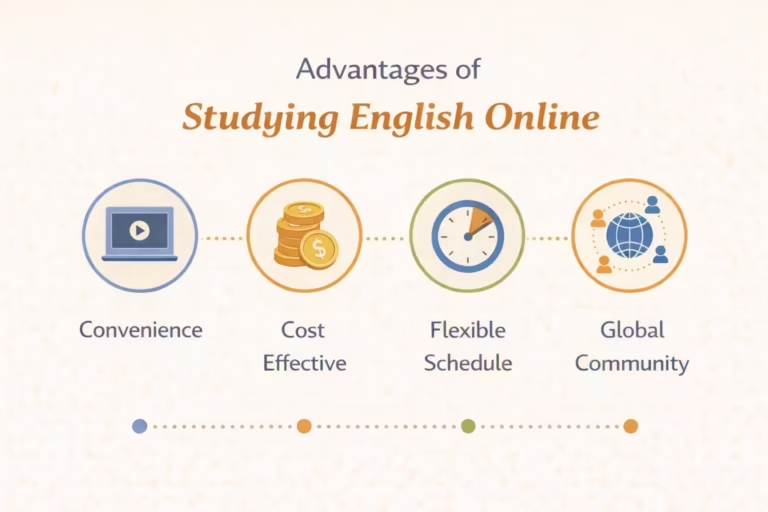
  • Advantages of Studying English Online – A Guide

    Learning English has never been more accessible than it is today. With the rise of online education, students around the world can now improve their English skills from the comfort of their homes. But what makes online English learning so effective? In this guide, we’ll explore the key advantages of studying English online and share practical tips to help you succeed. This post is helpful for: English beginners who want to build a strong basics ESL learners improving daily communication skills Kids and school students learning English step by step College students preparing for exams and interviews Working professionals who want to speak English with confidence What Does “Studying English Online” Mean? Before we dive into the benefits, let’s clarify what online English learning involves….

  • ·

    How English Sounds to Foreign Ears (Explained Simply)

    English can sound very different to people who hear it for the first time. For many non-native speakers, English may seem fast, unclear, musical, confusing, or even funny, depending on the accent, speed, and situation. These first impressions often shape how learners feel about the language. In this post, “How English Sounds to Foreign Ears,” we explore how English is perceived by people from different language backgrounds. We look at pronunciation, rhythm, stress, intonation, connected speech, and accents, and explain why English can be hard to understand at first—even for advanced learners. This article is helpful for English learners, teachers, linguistics fans, and pronunciation students who want to understand spoken English better and improve listening skills. By understanding how English sounds to foreign ears, learners…

  • Decoding the Mechanics: How English Works (A Simple Guide)

    Have you ever stopped mid-sentence and wondered, “Wait, is this even correct?” You’re not alone. English feels like a puzzle with pieces that don’t always fit the way you expect. One day you’re told “i before e except after c,” and the next day you meet the word “weird.” Here’s the good news: English isn’t as chaotic as it seems. Once you understand the basic building blocks—words, word order, tenses, and a handful of core rules—the whole language starts to make sense. In this guide, you’ll learn: How English sentences are actually built (the logic behind word order) The parts of speech, explained in plain terms How verb tenses work and why they trip people up The difference between grammar, syntax, and usage Common mistakes…

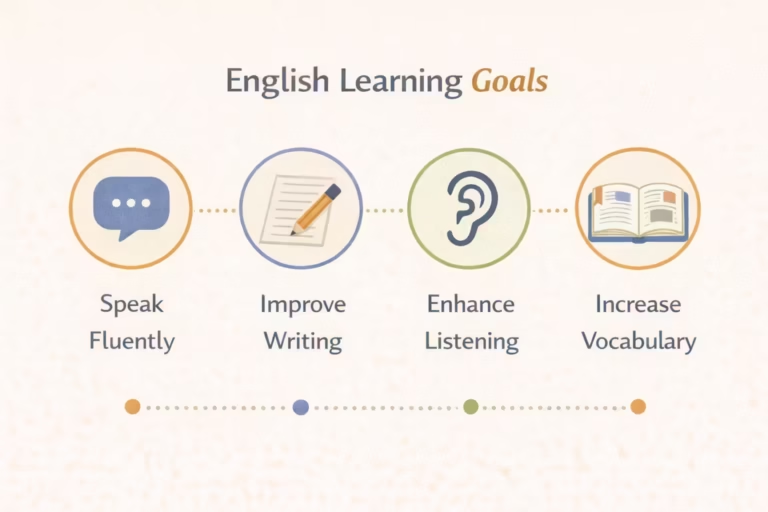
  • How to Set Realistic English Learning Goals (A Guide)

    Introduction: Why Most English Learners Give Up Too Soon Have you ever started learning English with a lot of excitement, only to feel frustrated a few weeks later? You are not alone. Every year, thousands of students, job seekers, and ESL learners set English learning goals like “I want to be fluent in three months” or “I will speak like a native speaker by next year.” These goals feel exciting at first. But soon, reality hits. Progress feels slow. Confidence drops. Many people quit. The real problem is not motivation. The problem is unrealistic goal setting. Learning how to set realistic English learning goals is one of the most important skills any language learner can develop. When your goals are clear, specific, and achievable, you make…

  • ·

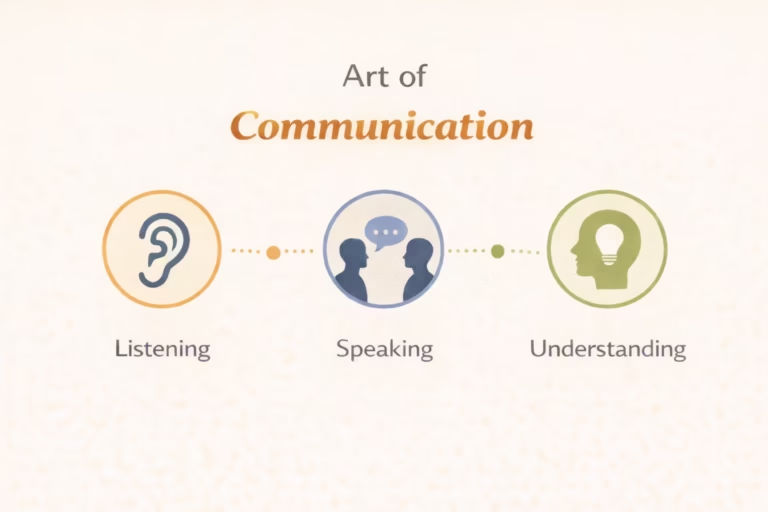
    How to Master the Art of Communication 2026

    Have you ever left a conversation replaying it in your head, wishing you’d said something differently? You’re not alone. Whether it’s a tense email at work, an awkward silence on a video call, or a misunderstanding with someone you love, communication struggles touch every part of life. The good news? Communication isn’t a talent you’re born with. It’s a skill — and like any skill, you can learn it, practice it, and get remarkably good at it. In this guide, you’ll learn: What effective communication really means (and why it matters more in 2026) The core skills that separate great communicators from average ones Step-by-step techniques for listening, speaking, and writing clearly How to communicate well in a world of AI tools, hybrid work, and…

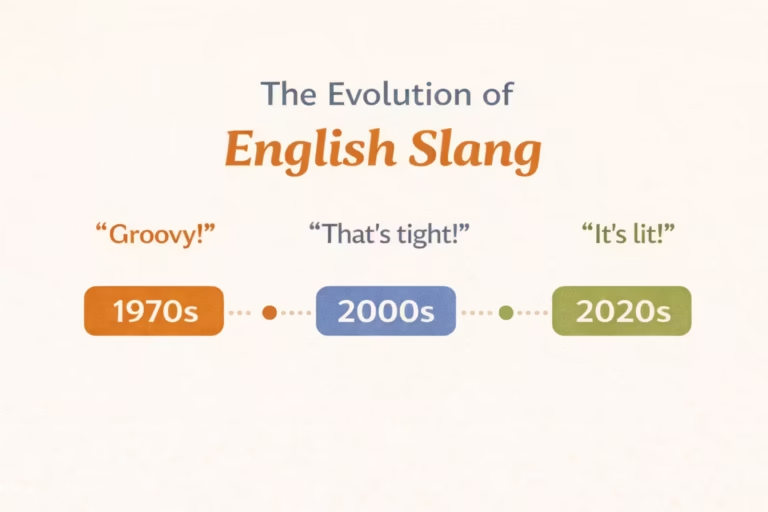
  • The Evolution of English Slang in 2026: New Words and Trends Explained

    English slang is changing faster than ever, and 2026 is shaping the way people speak, text, and express themselves online and offline. From social media trends and memes to influencer culture and global conversations, slang has become a powerful part of modern English communication. In this post, “The Evolution of English Slang in 2026,” we explore how new slang words are created, how old expressions change meaning, and why digital platforms play a major role in shaping everyday language. This guide is especially useful for English learners, teachers, content creators, and anyone who wants to understand real-world English. By learning modern slang, you can sound more natural, understand online conversations better, and stay updated with how English is actually used today. Let’s dive into the…