Month: May 2023

  • 200 Entertainment Words and Phrases in English

    Entertainment is a big part of our daily life. People talk about movies, music, TV shows, games, social media, concerts, and online videos every day. Learning English words and phrases related to entertainment helps learners understand conversations, express opinions, and enjoy media content more confidently. This blog post, “200 Entertainment Words and Phrases in English,” is specially created for students, beginners, and ESL learners. In this post, you will find useful and commonly used English words and phrases related to entertainment. These words will help you talk about movies, music, shows, hobbies, and leisure activities in everyday English conversations. Movies and TV Shows Actor Actress Director Producer Screenwriter Script Plot Scene Dialogue Genre Comedy Drama Thriller Horror Action Romance Science fiction Fantasy Mystery Documentary Animation…

  • English Phrases About Jobs and Career for Students (With Meanings and Examples)

    Talking about jobs and career goals is an important part of student life. Whether you are preparing for interviews, career counseling sessions, classroom discussions, or speaking exams, using the right expressions makes you sound confident and professional. Learning English phrases about jobs and career for students helps you describe your ambitions, skills, and future plans clearly. In this article, you will discover useful phrases related to job applications, internships, career goals, strengths and weaknesses, and workplace expectations. These practical expressions will help you talk about your dream job, discuss qualifications, and answer common interview questions. Whether you are a high school student, college learner, or preparing for competitive exams, this vocabulary guide will strengthen your career-related communication skills in English. Phrases About Different Jobs and…

  • English Phrases for Family and Relatives (Daily Use Examples)

    Talking about family and relatives is one of the most common topics in everyday English conversations. People often introduce their family members, talk about relationships, and share family experiences. Learning useful English phrases for family and relatives helps learners communicate confidently in social situations, classrooms, and daily life. This blog post, “English Phrases for Family and Relatives,” is specially created for kids, students, beginners, and ESL learners. In this post, you will find easy and commonly used English phrases to talk about parents, siblings, grandparents, relatives, and family relationships. These phrases are perfect for speaking practice, self-introductions, writing short paragraphs, and improving everyday English communication. 1. Introducing Your Family When you talk about your family for the first time, these phrases can help: “I have…

  • 150 Simple English Phrases for School and College Students

    English is used every day in schools and colleges—for asking questions, talking to teachers, participating in class, and communicating with friends. Knowing simple English phrases helps students express their thoughts confidently and participate actively in academic life. This blog post, “150 Simple English Phrases for School and College,” is specially created for school students, college learners, and ESL students. In this post, you will find easy and useful English phrases commonly used in classrooms, lectures, exams, and campus life. These phrases are perfect for speaking practice, classroom interaction, presentations, and everyday academic communication. 150 Simple English Phrases for School and College Students 1. Classroom Phrases Can I borrow a pen? May I come in? I forgot my homework. What page are we on? Can you…

  • ·

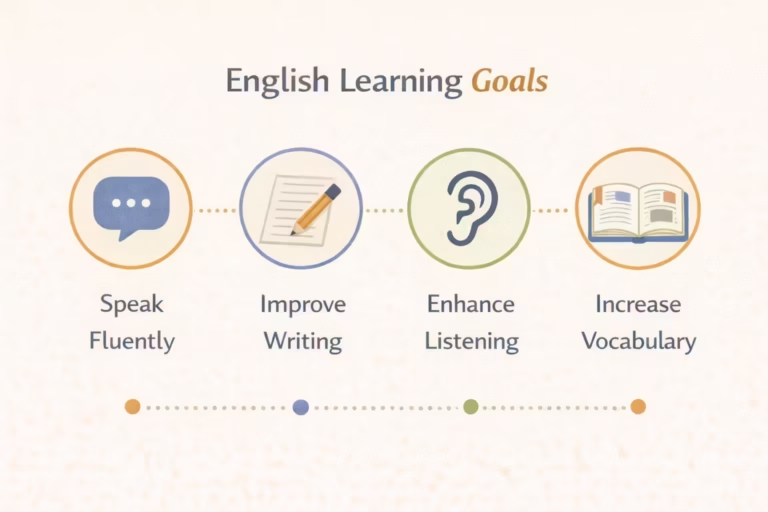
    How to Set Realistic English Learning Goals

    Setting goals is one of the most important steps in improving your English skills. However, many learners feel frustrated because their goals are too big, too vague, or unrealistic. That’s why learning how to set realistic English learning goals can make a huge difference in your progress. Clear and achievable goals help you stay motivated, track improvement, and build confidence step by step. In this guide, you will discover practical strategies for setting SMART English goals, creating a simple study plan, and measuring your progress effectively. Whether you want to improve speaking fluency, expand your vocabulary, or prepare for an English exam, this article will help you create realistic language learning goals that match your level and schedule. Let’s turn your English learning journey into…

  • ·

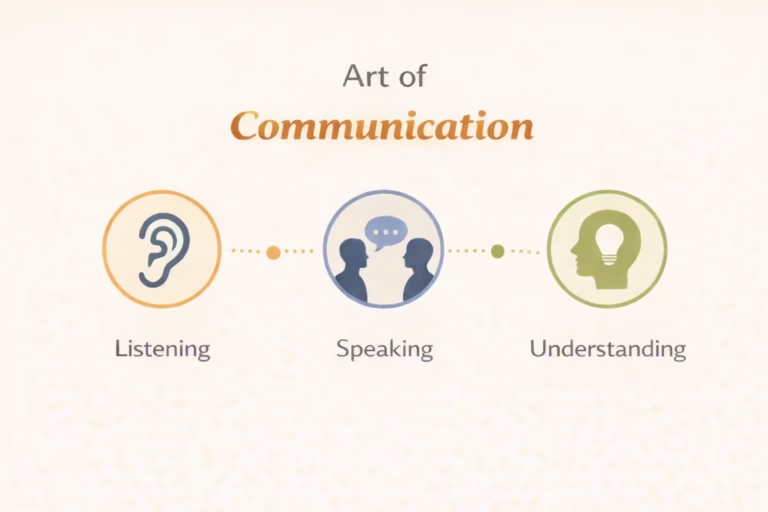
    How to Master the Art of Communication 2026

    How to Master the Art of Communication 2026 is a modern and practical guide for anyone who wants to communicate clearly, confidently, and effectively in today’s fast-changing world. In 2026, strong communication skills are more important than ever due to remote work, digital platforms, global teams, and constant online interaction. This topic explores how to improve both verbal and non-verbal communication, active listening, clarity of expression, emotional intelligence, and confidence in personal and professional settings. Written in simple and easy English, it is ideal for students, working professionals, leaders, and English learners. The guide focuses on real-life communication challenges and practical solutions rather than theory. Mastering the art of communication helps build better relationships, succeed at work, express ideas clearly, and stand out in interviews,…

  • Irregular Verbs in English: A Simple Explanation with Examples

    Irregular verbs are one of the most challenging parts of English grammar for learners. Unlike regular verbs, they do not follow the simple “-ed” rule in the past tense. For example, we say “walk – walked,” but we say “go – went,” not “goed.” Because irregular verbs change in different ways, many students find them confusing. However, learning irregular verbs does not have to be difficult. With clear explanations, examples, and regular practice, you can understand and remember them easily. These verbs are very common in everyday English. Words like “eat,” “see,” “take,” “come,” and “make” are used in daily conversations, exams, and writing tasks. In this guide, you will learn what irregular verbs are, why they are different, and how to use them correctly…