How to Master the Art of Communication 2026 is a modern and practical guide for anyone who wants to communicate clearly, confidently, and effectively in today’s fast-changing world.
Table of Contents
ToggleIn 2026, strong communication skills are more important than ever due to remote work, digital platforms, global teams, and constant online interaction.
This topic explores how to improve both verbal and non-verbal communication, active listening, clarity of expression, emotional intelligence, and confidence in personal and professional settings.
Written in simple and easy English, it is ideal for students, working professionals, leaders, and English learners. The guide focuses on real-life communication challenges and practical solutions rather than theory.
Mastering the art of communication helps build better relationships, succeed at work, express ideas clearly, and stand out in interviews, presentations, and everyday conversations in 2026 and beyond.
1. Understand the Basics of Communication
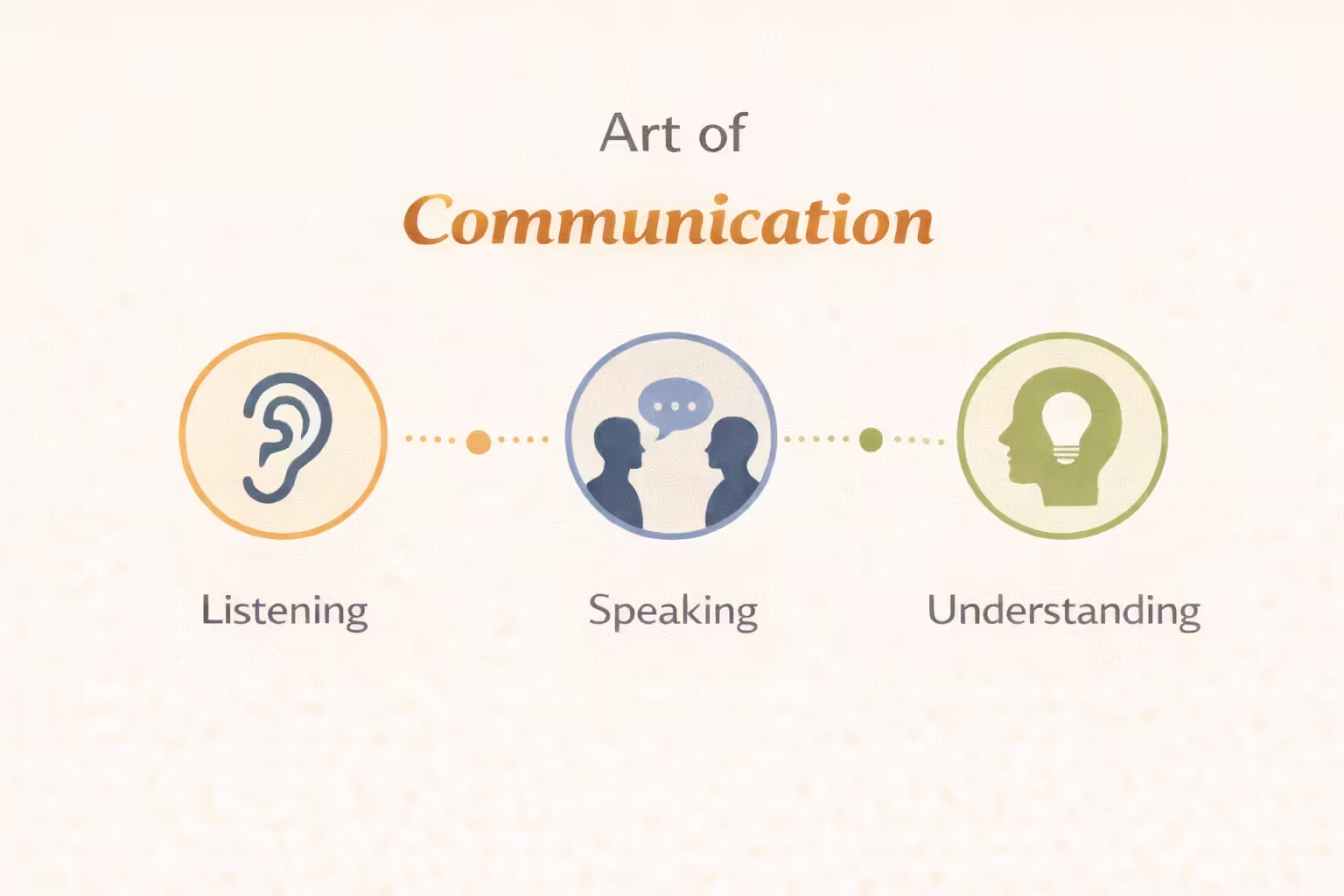
At its core, communication is about sharing ideas, thoughts, and emotions.
It includes:
- Verbal Communication: Using spoken or written words.
- Non-Verbal Communication: Body language, facial expressions, and tone of voice.
- Active Listening: Paying full attention to the speaker and responding thoughtfully.
To communicate effectively, you need to balance all these elements. Focus on clear speech, maintain eye contact, and listen attentively.
2. Adopt a Growth Mindset
Communication is a skill that can be improved with practice. In 2025, technology has opened countless opportunities for learning. You can take online courses, watch videos, or practice with language apps.
Tips for a Growth Mindset:
- Welcome Feedback: Ask others how you can improve.
- Stay Open-Minded: Be willing to learn new ways of expressing yourself.
- Celebrate Progress: Acknowledge small improvements in your communication style.
3. Leverage Technology for Communication
Technology plays a massive role in how we connect today. From video calls to AI-powered chatbots, understanding how to use these tools effectively is essential.
Key Tools to Master:
- Video Conferencing: Platforms like Zoom, Microsoft Teams, and Google Meet are widely used. Practice speaking clearly and confidently on camera.
- Messaging Apps: Tools like WhatsApp and Slack require concise and polite written communication.
- AI Assistants: Tools like ChatGPT can help you draft emails or practice conversational skills.
4. Enhance Your Emotional Intelligence (EQ)
Great communicators are not just good with words—they understand emotions. Emotional intelligence helps you connect with people on a deeper level.
How to Improve EQ:
- Recognize Your Emotions: Be aware of how you feel in different situations.
- Empathize with Others: Try to understand others’ perspectives.
- Control Your Reactions: Respond calmly, even in challenging situations.
5. Be Culturally Aware
In 2025, globalization means you’re likely to interact with people from diverse backgrounds. Being culturally aware can prevent misunderstandings and build stronger relationships.
Tips for Cultural Awareness:
- Learn About Other Cultures: Understand their traditions, customs, and communication styles.
- Avoid Assumptions: Instead of guessing, ask polite questions to clarify.
- Adapt Your Style: Be flexible with your tone, gestures, and language based on the audience.
6. Practice Active Listening
Listening is as important as speaking. Active listening helps you understand others better and respond appropriately.
Steps to Active Listening:
- Focus Fully: Eliminate distractions like your phone or background noise.
- Show Interest: Nod, smile, or use phrases like “I see” or “That makes sense.”
- Ask Questions: Clarify points you don’t understand.
7. Polish Your Non-Verbal Communication
Your body language often speaks louder than words. A confident posture and friendly facial expressions make a lasting impression.
Tips for Better Non-Verbal Communication:
- Maintain Eye Contact: It shows confidence and interest.
- Use Open Gestures: Avoid crossing your arms, as it can seem defensive.
- Mind Your Tone: Speak in a calm and clear voice.
8. Develop Your Writing Skills
In the digital age, much of our communication happens through writing. Emails, social media posts, and reports all require clarity and professionalism.
Writing Tips:
- Be Clear: Use simple language to avoid confusion.
- Organize Your Thoughts: Write in a logical order, with clear paragraphs.
- Proofread: Check for spelling and grammar mistakes before sending.
9. Tailor Your Message to Your Audience
Not all communication works for every situation. Think about who you’re speaking to and adjust your style accordingly.
How to Tailor Your Message:
- For Formal Settings: Use polite and professional language.
- For Casual Conversations: Be friendly and use everyday words.
- For Mixed Audiences: Keep your message neutral and inclusive.
10. Work on Public Speaking Skills
Public speaking is a valuable skill, whether you’re presenting at work or speaking at an event. The ability to address an audience confidently can set you apart.
Tips for Public Speaking:
- Prepare Well: Know your material inside out.
- Practice Regularly: Rehearse in front of a mirror or record yourself.
- Engage Your Audience: Use stories, humor, or questions to keep their attention.
11. Master Conflict Resolution
Disagreements are inevitable, but how you handle them matters. Effective communication can help resolve conflicts calmly and constructively.
Steps to Resolve Conflicts:
- Stay Calm: Avoid letting emotions take over.
- Listen to the Other Side: Understand their concerns.
- Find Common Ground: Look for solutions that benefit both parties.
12. Practice Regularly
Like any skill, communication improves with practice. The more you engage in conversations, the more confident you will become.
How to Practice:
- Join Groups: Participate in speaking clubs like Toastmasters.
- Record Yourself: Analyze your tone and language.
- Talk to Diverse People: Broaden your experience by interacting with different individuals.
13. Learn to Communicate Online
With social media and online platforms dominating communication, it’s essential to know how to express yourself effectively online.
Tips for Online Communication:
- Be Respectful: Avoid harsh language, even during disagreements.
- Use Emojis Sparingly: They can help convey tone but may seem unprofessional in formal settings.
- Be Concise: Online readers prefer short and clear messages.
14. Stay Updated with Trends
The way we communicate changes over time. In 2025, staying updated with new tools and trends can help you remain relevant.
How to Stay Updated:
- Follow Experts: Learn from communication coaches or influencers.
- Read Blogs and Articles: Stay informed about the latest communication tips.
- Experiment with Tools: Try out new apps or platforms to enhance your skills.
15. Be Authentic
Authenticity is the foundation of strong communication. People appreciate honesty and sincerity.
Ways to Be Authentic:
- Speak from the Heart: Share your genuine thoughts and feelings.
- Admit Mistakes: If you make an error, apologize and move on.
- Stay True to Yourself: Don’t try to imitate others; develop your unique style.
Final Thoughts
Getting good at communication in 2025 isn’t just about being able to talk or write nicely. It’s really about knowing how to understand others, make connections, and adjust to the fast-changing world we live in.
If you follow the advice in this post, you can create better relationships, succeed in your career, and share your thoughts with confidence.
Always keep in mind that communication is a journey, not a final goal. Keep learning, stay interested, and have fun growing your communication skills!
FAQs About Mastering the Art of Communication
1. Why are communication skills important in 2026?
Communication skills are important because people work remotely, use digital platforms, and interact with global teams more than ever before.
2. What is communication?
Communication is the process of sharing ideas, thoughts, emotions, and information with others.
3. What are the main types of communication?
The main types include:
- Verbal communication
- Non-verbal communication
- Active listening
4. Why is active listening important?
Active listening helps people understand others better and respond thoughtfully and respectfully.
5. What does having a growth mindset mean in communication?
A growth mindset means believing communication skills can improve through practice, learning, and feedback.
6. How can technology improve communication skills?
Technology provides tools like video calls, messaging apps, online courses, and AI assistants for communication practice.
7. Which platforms are commonly used for video communication?
Common video communication platforms include:
- Zoom
- Microsoft Teams
- Google Meet
8. How can emotional intelligence improve communication?
Emotional intelligence helps people understand emotions, empathize with others, and respond calmly in conversations.
9. Why is cultural awareness important in communication?
Cultural awareness helps prevent misunderstandings and improves relationships with people from different backgrounds.
10. How can body language affect communication?
Body language, facial expressions, eye contact, and tone of voice can strongly influence how messages are understood.
11. Why are writing skills important in the digital age?
People communicate frequently through emails, reports, social media, and messages that require clear and professional writing.
12. How can learners improve public speaking skills?
Learners can improve public speaking by:
- Preparing carefully
- Practicing regularly
- Recording themselves
- Engaging audiences confidently
13. Why is authenticity important in communication?
People trust and connect more easily with honest, sincere, and genuine communication.
14. How can someone practice communication skills regularly?
People can practice by:
- Joining speaking groups
- Talking to different people
- Participating in discussions
- Using online platforms
15. What is the main message of the article?
The article explains that mastering communication requires continuous learning, understanding others, adapting to modern communication tools, and practicing regularly.
You may also like:
- Top Online Resources to Improve Your English Skills
- 7 Surprising Benefits of Learning English
- The Complete Guide to English Collocations
- 150 Basic English Sentences Every Kid Should Learn
Want to improve more? Explore our Spoken English Practice section for practical tips and lessons.