Author: About the Author

Hi, I’m Manoj, an English teacher and soft skills trainer with over 10 years of experience helping students, job seekers, and professionals speak English confidently. Thousands of learners visit my website every month to improve their communication skills in a simple and practical way. I specialize in spoken English, vocabulary building, grammar, phrasal verbs, and daily-use English. Through Love You English, I share easy explanations, real-life examples, and powerful learning techniques to help you speak naturally and without fear. My mission is simple: to make English learning clear, enjoyable, and truly useful for real life.
  • English Dialogues About Work Stress (Speaking Practice)

    Work stress is a common problem in today’s fast-paced life. Many people feel pressure because of heavy workloads, tight deadlines, and high expectations. Talking about stress and asking for support can make a big difference. In these dialogues, two people have an honest and supportive conversation about work stress. The language is natural, polite, and useful for everyday English. These dialogues help learners understand how to express stress, offer support, and give practical advice in a friendly way. This topic is part of our English Dialogues for English learners. English Dialogues About Work Stress Person A: Hey, can I talk to you about something that’s been bothering me? Person B: Of course, what’s going on? Person A: I’ve been feeling really stressed at work lately….

  • 30 Useful English Business Idioms with Meanings and Examples

    Business English is not only about formal vocabulary and professional emails—it also includes idioms that native speakers use in meetings, presentations, and workplace conversations. Understanding business idioms can help you sound more confident, follow discussions more easily, and communicate more naturally in professional settings. Many of these expressions are common in offices, corporate environments, and even job interviews. In this blog post, you will discover 30 useful English business idioms explained in simple and clear language. Each idiom is defined so you can understand its meaning and use it correctly at work. Whether you are preparing for interviews, improving workplace communication, or expanding your professional vocabulary, these business idioms will help you speak English more fluently and confidently. This topic is part of our English…

  • English Dialogues About Cooking for Spoken English

    Cooking is a daily activity and a favorite topic of conversation for many people. Whether it is preparing meals at home, trying a new recipe, or cooking for family and friends, people often talk about ingredients, tastes, cooking methods, and kitchen experiences. For English learners, cooking is an excellent topic to practice practical, real-life spoken English. English Dialogues About Cooking help learners speak confidently about food preparation, recipes, kitchen tools, and cooking habits. These dialogues include common situations such as discussing what to cook, asking about ingredients, sharing cooking tips, and talking about successes or mistakes in the kitchen. The language is simple, natural, and suitable for beginners to intermediate learners. By practicing these conversations, learners can improve speaking fluency, learn useful cooking-related vocabulary, and…

  • ·

    How to Ask Questions in English Confidently for Spoken English

    How to Ask Questions in English Confidently for Spoken English Asking questions is a key part of communication, and How to Ask Questions in English helps learners do it correctly and confidently. This topic explains different question forms such as yes/no questions, WH-questions, and indirect questions. Written in simple English, it is perfect for beginners and intermediate learners. Learning how to ask questions improves conversation skills, classroom participation, and everyday communication. This article focuses on sentence structure, word order, and common question patterns. With clear guidance and examples, learners can ask questions politely and naturally in real-life situations. Why Is Asking Questions Important? Before we start, let’s see why asking questions matters: To get information: When you don’t know something, you ask. To learn: Questions…

  • Short English Dialogues About Entertainment for Speaking Practice

    Entertainment is a common topic in everyday conversations. People often talk about movies, TV shows, music, web series, games, and live events while relaxing or spending time with friends and family. These light and fun discussions are easy to start and enjoyable to continue. For English learners, entertainment-based conversations are perfect for practicing natural and casual spoken English. Short English Dialogues About Entertainment help learners practice simple and quick conversations related to daily interests. These short dialogues include talking about a movie you watched, a song you like, a TV show you are following, or weekend entertainment plans. The language is easy, conversational, and suitable for beginners to intermediate learners. By practicing short dialogues, learners can improve speaking fluency, learn common expressions, and feel more…

  • Present Perfect Continuous Tense: What It Is and How to Use It

    The Present Perfect Continuous Tense is an important grammar topic for English learners who want to speak more naturally and accurately. We use this tense to talk about actions that started in the past and are still continuing, or have recently stopped but still have a result in the present. Many students feel confused about when to use it instead of the Present Perfect or Present Continuous tense. However, once you understand the structure and purpose, it becomes much easier. In this blog post, you will learn what the Present Perfect Continuous Tense is and how to use it correctly. You will understand its structure, common time expressions, and key differences from other tenses. With clear explanations and practical examples, you will feel more confident…

  • English Short Stories for Beginners (Easy Reading Practice)

    Stories about siblings beautifully show us the power of love, understanding, teamwork, and emotional connection. Through everyday moments, shared struggles, and joyful experiences, sibling stories help readers understand relationships while improving reading skills and vocabulary in a natural way. In this post, “Two English Short Stories About Siblings and Their Bond,” you will read two heart-touching stories set in different parts of India. The first story highlights the strong bond between Arjun and Maya, who rebuild their village together after a disaster. The second story follows Rohan and Meera, siblings who discover beauty, hope, and creativity during the monsoon season. Perfect for English learners, classroom reading, and self-study, these stories use simple language and rich emotions to show how sibling bonds grow stronger through love,…

  • Spoken English Conversation: Talking About the Weather for Daily Use

    Talking about the weather is one of the most common ways to start a conversation. People often discuss the weather while meeting friends, neighbors, colleagues, or even strangers. Simple comments about heat, cold, rain, or sunshine help break the ice and keep conversations going. For English learners, weather-related talk is perfect for practicing basic, everyday spoken English. Spoken English Conversation: Talking About the Weather helps learners speak confidently about different weather conditions and seasons. These conversations include situations such as describing today’s weather, talking about seasonal changes, discussing weather preferences, and making small talk. The language is simple, clear, and suitable for beginners to intermediate learners. By practicing these conversations, learners can improve speaking fluency, learn common weather-related vocabulary, and feel more comfortable using English…

  • Spoken English Conversation: Ordering Food in A Restaurant for Daily Use

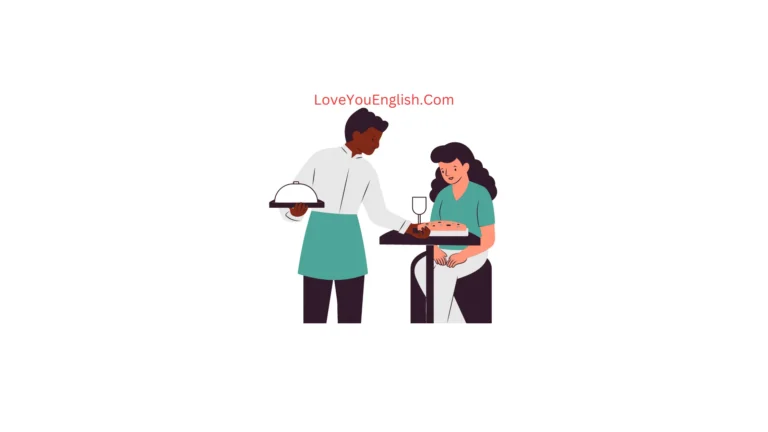
    Ordering food in a restaurant is one of the most common real-life situations where people need to speak English. Customers usually talk to the waiter about the menu, food preferences, prices, special requests, and the bill. Knowing how to order food politely and clearly helps people feel confident while eating out. For English learners, this is an essential topic for practicing practical and everyday spoken English. Spoken English Conversation: Ordering Food in a Restaurant helps learners speak confidently in restaurant situations. These conversations include asking for the menu, ordering food and drinks, requesting changes, talking about taste, and asking for the bill. The language is simple, polite, and suitable for beginners to intermediate learners. By practicing these conversations, learners can improve speaking fluency, learn useful…

  • English Dialogues About Hobbies and Interests for Spoken English

    Hobbies and interests are common topics in everyday conversations. People often talk about what they enjoy doing in their free time, such as reading, playing sports, listening to music, traveling, cooking, or learning new skills. These conversations help people connect, make friends, and understand each other better. For English learners, this topic is ideal for practicing friendly, natural, and everyday spoken English. English Dialogues About Hobbies and Interests help learners speak confidently about their likes, dislikes, and free-time activities. These dialogues include situations such as introducing hobbies, asking about interests, explaining why you enjoy an activity, and finding common interests with others. The language is simple, clear, and suitable for beginners to intermediate learners. By practicing these dialogues, learners can improve speaking fluency, build useful…