Author: About the Author

Hi, I’m Manoj, an English teacher and soft skills trainer with over 10 years of experience helping students, job seekers, and professionals speak English confidently. Thousands of learners visit my website every month to improve their communication skills in a simple and practical way. I specialize in spoken English, vocabulary building, grammar, phrasal verbs, and daily-use English. Through Love You English, I share easy explanations, real-life examples, and powerful learning techniques to help you speak naturally and without fear. My mission is simple: to make English learning clear, enjoyable, and truly useful for real life.
  • The Importance of English Grammar for Clear Communication

    Introduction: The Importance of English Grammar for Clear Communication English grammar is the foundation of clear and effective communication. It helps us form correct sentences, express our ideas properly, and avoid misunderstandings. Whether you are speaking or writing, good grammar makes your message easy to understand. Many English learners focus only on vocabulary, but grammar is equally important. Without proper grammar, even simple sentences can become confusing. For example, a small mistake in tense or word order can change the meaning of a sentence completely. This blog post, “The Importance of English Grammar for Clear Communication,” is designed to help you understand why grammar matters and how it improves your language skills. It explains the role of grammar in everyday communication in a simple and…

  • 200 Entertainment Words and Phrases in English

    Entertainment is a big part of our daily life. People talk about movies, music, TV shows, games, social media, concerts, and online videos every day. Learning English words and phrases related to entertainment helps learners understand conversations, express opinions, and enjoy media content more confidently. This blog post, “200 Entertainment Words and Phrases in English,” is specially created for students, beginners, and ESL learners. In this post, you will find useful and commonly used English words and phrases related to entertainment. These words will help you talk about movies, music, shows, hobbies, and leisure activities in everyday English conversations. Movies and TV Shows Actor Actress Director Producer Screenwriter Script Plot Scene Dialogue Genre Comedy Drama Thriller Horror Action Romance Science fiction Fantasy Mystery Documentary Animation…

  • English Phrases About Jobs and Career for Students (With Meanings and Examples)

    Introduction: Why Job and Career English Matters More Than You Think If you are a student preparing for your future, one of the most useful things you can learn is English phrases about jobs and career. Whether you are writing your first resume, going to a job interview, or just talking to a teacher about your future plans, knowing the right words makes a huge difference. Many students study English for years but still feel nervous when someone asks, “What do you want to do after graduation?” They know grammar. They know vocabulary. But they do not know the specific career English phrases that real professionals use every day. This blog post will fix that. In this guide, you will learn the most important English…

  • English Phrases for Family and Relatives (Daily Use Examples)

    Talking about family and relatives is one of the most common topics in everyday English conversations. People often introduce their family members, talk about relationships, and share family experiences. Learning useful English phrases for family and relatives helps learners communicate confidently in social situations, classrooms, and daily life. This blog post, “English Phrases for Family and Relatives,” is specially created for kids, students, beginners, and ESL learners. In this post, you will find easy and commonly used English phrases to talk about parents, siblings, grandparents, relatives, and family relationships. These phrases are perfect for speaking practice, self-introductions, writing short paragraphs, and improving everyday English communication. 1. Introducing Your Family When you talk about your family for the first time, these phrases can help: “I have…

  • 150 Simple English Phrases for School and College Students

    English is used every day in schools and colleges—for asking questions, talking to teachers, participating in class, and communicating with friends. Knowing simple English phrases helps students express their thoughts confidently and participate actively in academic life. This blog post, “150 Simple English Phrases for School and College,” is specially created for school students, college learners, and ESL students. In this post, you will find easy and useful English phrases commonly used in classrooms, lectures, exams, and campus life. These phrases are perfect for speaking practice, classroom interaction, presentations, and everyday academic communication. 150 Simple English Phrases for School and College Students 1. Classroom Phrases Can I borrow a pen? May I come in? I forgot my homework. What page are we on? Can you…

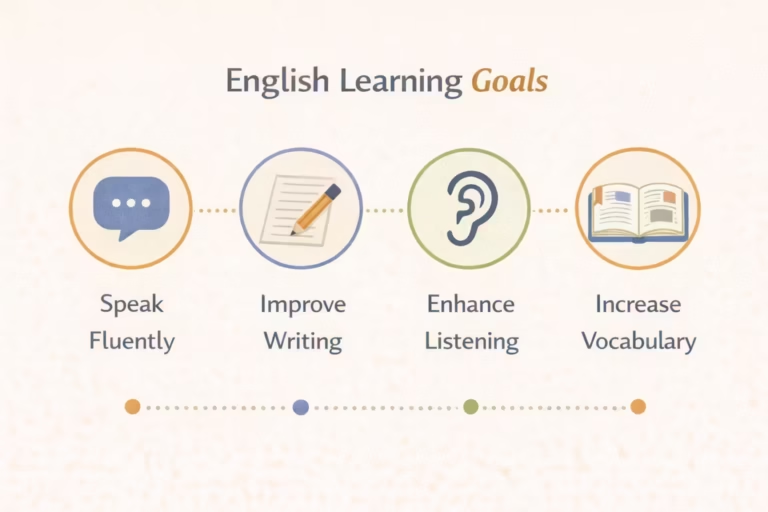
  • How to Set Realistic English Learning Goals (And Actually Achieve Them)

    Introduction: Why Most English Learners Give Up Too Soon Have you ever started learning English with a lot of excitement, only to feel frustrated a few weeks later? You are not alone. Every year, thousands of students, job seekers, and ESL learners set English learning goals like “I want to be fluent in three months” or “I will speak like a native speaker by next year.” These goals feel exciting at first. But soon, reality hits. Progress feels slow. Confidence drops. Many people quit. The real problem is not motivation. The problem is unrealistic goal setting. Learning how to set realistic English learning goals is one of the most important skills any language learner can develop. When your goals are clear, specific, and achievable, you make…

  • ·

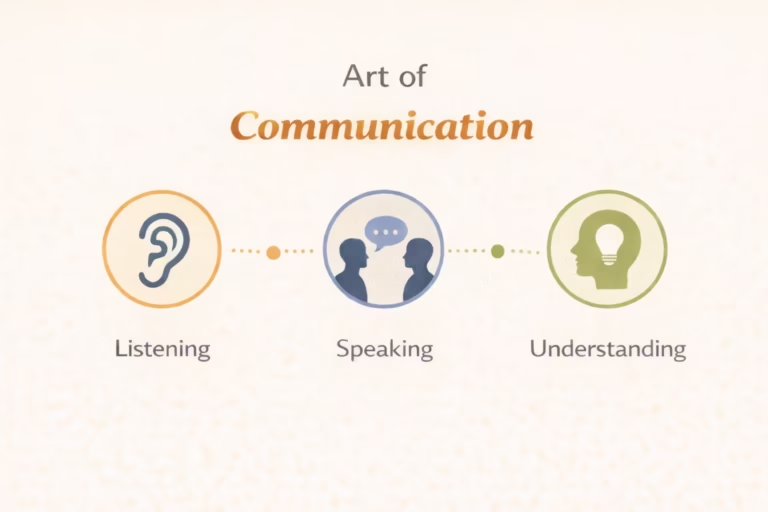
    How to Master the Art of Communication 2026

    How to Master the Art of Communication 2026 is a modern and practical guide for anyone who wants to communicate clearly, confidently, and effectively in today’s fast-changing world. In 2026, strong communication skills are more important than ever due to remote work, digital platforms, global teams, and constant online interaction. This topic explores how to improve both verbal and non-verbal communication, active listening, clarity of expression, emotional intelligence, and confidence in personal and professional settings. Written in simple and easy English, it is ideal for students, working professionals, leaders, and English learners. The guide focuses on real-life communication challenges and practical solutions rather than theory. Mastering the art of communication helps build better relationships, succeed at work, express ideas clearly, and stand out in interviews,…

  • Irregular Verbs in English: A Simple Explanation with Examples

    Irregular verbs are one of the most challenging parts of English grammar for learners. Unlike regular verbs, they do not follow the simple “-ed” rule in the past tense. For example, we say “walk – walked,” but we say “go – went,” not “goed.” Because irregular verbs change in different ways, many students find them confusing. However, learning irregular verbs does not have to be difficult. With clear explanations, examples, and regular practice, you can understand and remember them easily. These verbs are very common in everyday English. Words like “eat,” “see,” “take,” “come,” and “make” are used in daily conversations, exams, and writing tasks. In this guide, you will learn what irregular verbs are, why they are different, and how to use them correctly…

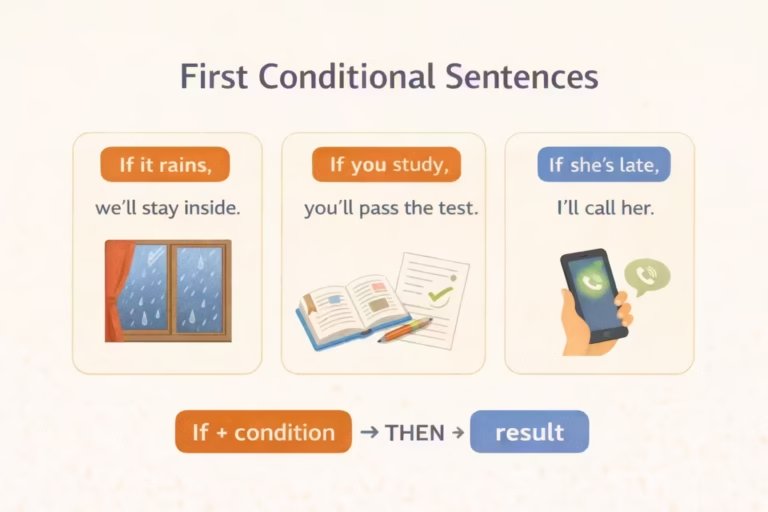
  • 100 First Conditional Sentences in English with Examples

    The first conditional is used in English to talk about real and possible future situations and their results. It helps learners explain what will happen if a certain condition is met. Learning first conditional sentences makes it easier to talk about plans, warnings, promises, and everyday situations. This blog post, “100 First Conditional Sentences in English,” is specially created for students, beginners, and ESL learners. In this post, you will find easy and practical examples of first conditional sentences used in daily life. These sentences will help you understand the structure and use it correctly in speaking and writing. This post is helpful for: English beginners and ESL learners Kids, school, and college students Working professionals English teachers and future teachers General Situations If you…

  • 7 Surprising Benefits of Learning English for Students and Professionals

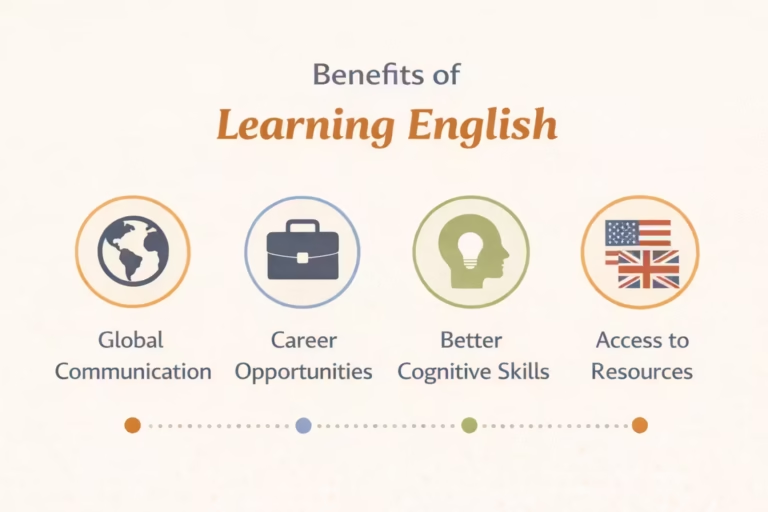
    Learning English is more than just studying grammar rules or memorizing vocabulary. It opens doors to new opportunities, global connections, and personal growth. Many people focus on passing exams or getting better jobs, but the benefits of learning English go far beyond academics and career success. In this article, 7 Surprising Benefits of Learning English, you will discover how English can improve your confidence, expand your cultural understanding, and increase access to information worldwide. From better travel experiences and international friendships to higher education and career growth, learning English can positively impact many areas of your life. Whether you are a student, professional, or lifelong learner, these surprising benefits will motivate you to continue your English learning journey. Benefit #1: It’s Good for Your Brain…