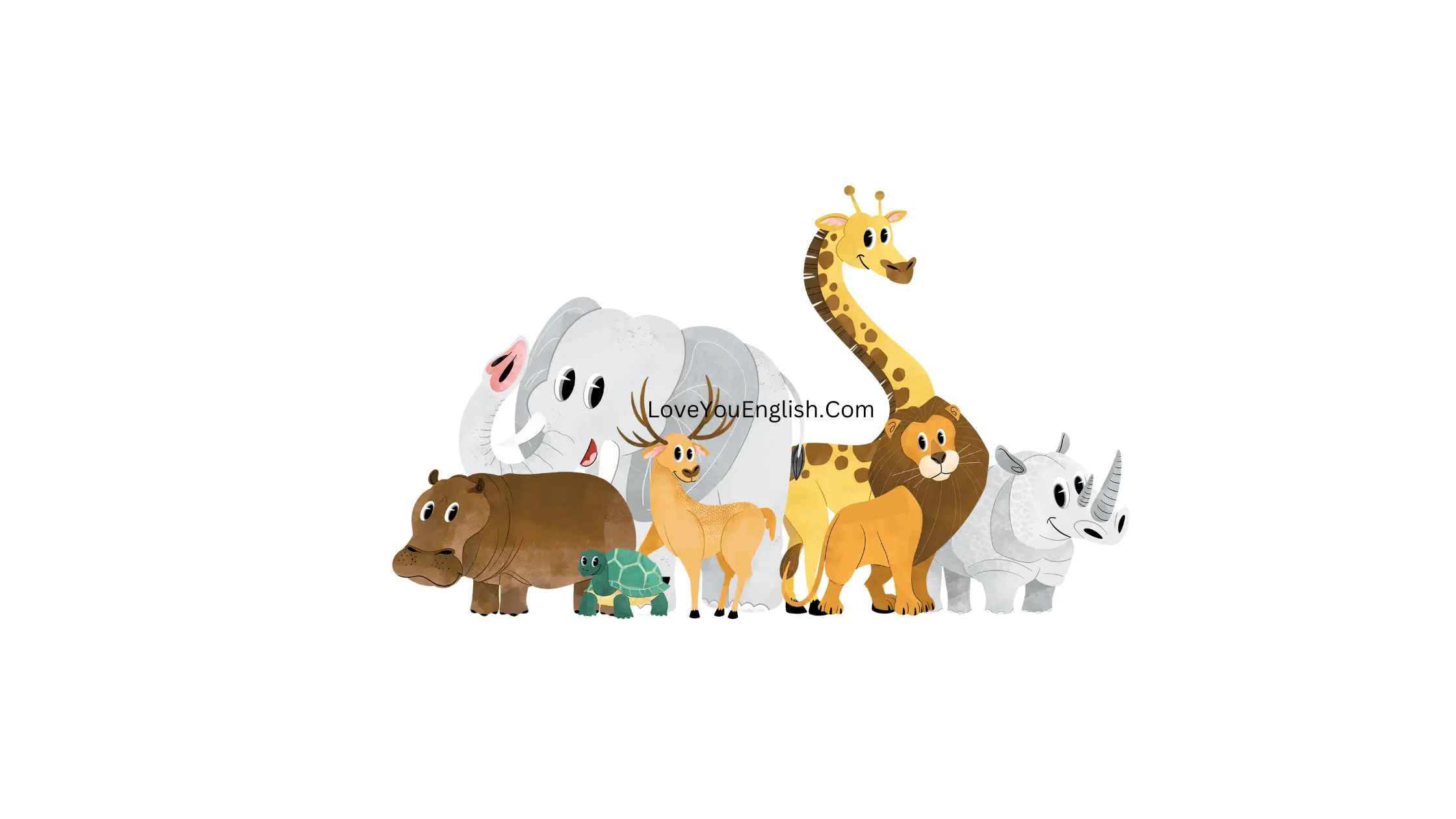
Classic English Fables for Kids brings together some of the most popular and timeless stories that have been passed down through generations.
Table of Contents
ToggleThese short fables use simple language, animal characters, and everyday situations to teach strong moral lessons. Stories like The Lion and the Mouse, The Tortoise and the Hare, and The Boy Who Cried Wolf help children understand values such as kindness, honesty, hard work, patience, and wisdom.
Written in easy English, these fables are perfect for kids, students, and beginner English learners. They are ideal for reading practice, storytelling sessions, and moral education both at home and in the classroom.
Classic Fables for Kids
The Lion and the Mouse
One day, a mighty lion was sleeping in the forest. A small mouse ran across his paw. The lion woke up and quickly caught the mouse.
The mouse was very scared and begged, “Please let me go! I will help you someday!”
The lion laughed. “You? Help me? You are so small and weak. How could you ever help me?”
But the lion decided to let the mouse go. The mouse quickly ran away.
A few days later, the lion got caught in a hunter’s net. He roared loudly, trying to free himself, but he couldn’t escape.
The mouse heard the roar and quickly ran to help. Using its sharp teeth, the mouse chewed through the ropes and set the lion free.
The lion was very surprised. “You saved me! I was wrong to doubt you.”
The mouse smiled and said, “Even the smallest friend can be of help when needed.”
Moral: No act of kindness is too small.
The Fox and the Grapes
One hot summer day, a thirsty fox was walking through a vineyard. He looked up and saw a bunch of ripe, juicy grapes hanging high on a vine.
The fox’s mouth watered as he thought about how delicious they would taste.
He jumped up, trying to reach the grapes, but they were too high. He tried again, and again, but still couldn’t reach them.
Tired and frustrated, the fox sat down and said to himself, “Those grapes are probably sour anyway. I don’t want them!”
The fox walked away, pretending that he never wanted the grapes in the first place.
Moral: It’s easy to dismiss what we can’t have.
The Tortoise and the Hare
One day, a speedy hare was boasting to all the animals in the forest. “I am the fastest of them all! No one can beat me in a race!”
The tortoise, who was slow but steady, heard this and said, “I may be slow, but I challenge you to a race.”
The hare laughed loudly. “You? You are too slow to ever win!” But the tortoise was determined.
The race began, and the hare quickly took the lead. Confident that he would win, the hare stopped to take a nap under a tree.
Meanwhile, the tortoise kept going, slowly but surely. When the hare woke up, he saw the tortoise almost at the finish line.
The hare rushed to catch up, but it was too late. The tortoise crossed the finish line first.
The animals cheered for the tortoise, and the hare learned an important lesson.
Moral: Slow and steady wins the race.
The Boy Who Cried Wolf
Once upon a time, a young boy was watching over a flock of sheep. He was bored and decided to play a trick. He shouted, “Wolf! Wolf! A wolf is attacking the sheep!”
The villagers rushed to help, but when they arrived, they saw no wolf. The boy laughed and said, “I was just joking!”
The next day, the boy did the same thing again, shouting, “Wolf! Wolf!” Once again, the villagers came running, only to find that there was no wolf. The boy laughed again.
But one day, a real wolf came and attacked the sheep. The boy shouted for help, “Wolf! Wolf!” But this time, the villagers didn’t believe him.
They thought he was lying again. The wolf ate the sheep, and the boy learned a hard lesson.
Moral: Liars are not believed, even when they tell the truth.
The Ant and the Grasshopper
One sunny day, an ant was busy working hard. She was gathering food and storing it for the winter. Nearby, a grasshopper was singing and dancing in the sun.
The grasshopper called out to the ant, “Why are you working so hard? Come and enjoy the sunshine with me!”
The ant replied, “I am preparing for the cold winter. You should do the same.”
The grasshopper laughed and said, “I’ll worry about that later. There’s plenty of time!”
When winter arrived, the ant was warm and well-fed, thanks to her hard work. But the grasshopper, who had done no work, was cold and hungry. He went to the ant and begged, “Please help me!”
The ant looked at him and said, “You should have worked when you had the chance.”
Moral: Prepare for the future and don’t waste time.
The Crow and the Pitcher
One hot day, a thirsty crow flew around looking for water. After a long search, he finally found a pitcher with a little water at the bottom. The crow tried to drink, but his beak couldn’t reach the water.
He thought for a moment and then had an idea. He picked up some small pebbles and dropped them one by one into the pitcher.
As he added more pebbles, the water began to rise. Soon, the crow could reach the water and drank his fill.
The crow was very happy and flew away, feeling refreshed.
Moral: Where there’s a will, there’s a way.
FAQs About Classic English Fables for Kids
What are classic English fables?
Classic English fables are short stories that use animals or simple characters to teach moral lessons such as kindness, honesty, and hard work.
Why are fables important for children?
Fables help children learn important life values while improving their reading, vocabulary, and understanding skills.
What is the moral of The Lion and the Mouse?
The moral is that even small acts of kindness can make a big difference.
What lesson does The Fox and the Grapes teach?
It teaches that people often pretend not to want something they cannot have.
What is the message of The Tortoise and the Hare?
The story teaches that slow and steady effort leads to success.
What is the moral of The Boy Who Cried Wolf?
It teaches that lying can destroy trust, and people may not believe you even when you tell the truth.
What does The Ant and the Grasshopper teach?
It teaches the importance of hard work, planning, and preparing for the future.
What is the lesson from The Crow and the Pitcher?
The story teaches that intelligence and problem-solving can help overcome challenges.
Are fables useful for English learners?
Yes, fables use simple language and clear ideas, making them perfect for beginners and ESL learners.
How do fables improve English skills?
They improve:
- Vocabulary
- Reading comprehension
- Moral understanding
- Storytelling skills
Why do fables use animals as characters?
Animals make stories more interesting and help children understand lessons in a simple and engaging way.
How can teachers use fables in the classroom?
Teachers can use them for:
- Reading practice
- Moral discussions
- Vocabulary lessons
- Story retelling activities
What values do fables teach children?
Fables teach values like:
- Honesty
- Kindness
- Patience
- Hard work
- Wisdom
Are these fables suitable for beginners?
Yes, they are written in simple English and are easy to understand for children and beginners.
Why are fables still popular today?
Fables are timeless because their lessons are universal and relevant in everyday life.