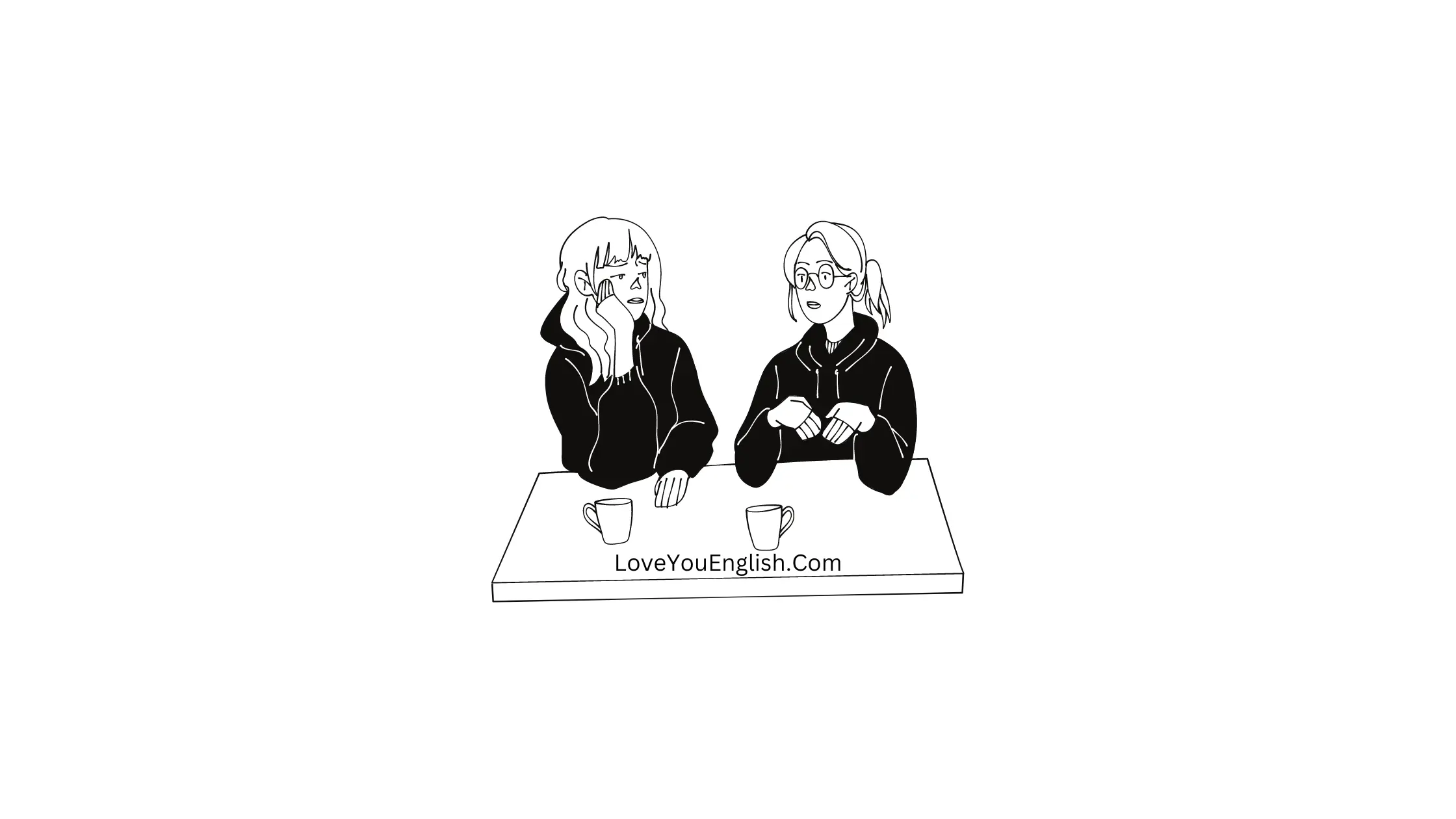
Ordering coffee is a simple daily activity, but for English learners, it can feel stressful. You may worry about pronunciation, understanding the menu, or responding quickly to the barista’s questions. However, learning common English conversations at a coffee shop can greatly improve your confidence in real-life situations.
Coffee shops are perfect places to practice everyday English. You learn how to greet politely, place an order, ask about menu items, make special requests, and respond naturally. Phrases like “Can I get…?”, “For here or to go?”, and “Anything else?” are used frequently in cafés across English-speaking countries.
In this guide, you will learn useful vocabulary, common questions, and simple dialogue examples for ordering coffee smoothly. Whether you are traveling, studying abroad, or just improving your speaking skills, this article will help you communicate clearly and confidently in a coffee shop setting. By the end, you will feel ready to order your favorite drink in English without hesitation.
This topic is part of our English Dialogues for English learners.
Table of Contents
ToggleEnglish Conversation at the Coffee Shop
Customer: Hi there! It’s such a lovely day, isn’t it?
Barista: Yes, indeed! The sun is shining, and the aroma of freshly brewed coffee fills the air. What can I get for you today?
Customer: I’ll have a medium cappuccino, please. Oh, and could I also get a slice of that delicious-looking carrot cake?
Barista: Of course! One medium cappuccino and a slice of carrot cake coming right up. Are you planning to enjoy them here or take them to go?
Customer: I think I’ll sit and enjoy them here. It’s so peaceful and cozy in this corner.
Barista: I’m glad you think so! Here’s your cappuccino, made with freshly ground espresso and steamed milk topped with a sprinkle of cinnamon. And here’s a generous slice of our homemade carrot cake, complete with cream cheese frosting.
Customer: Thank you so much! This looks amazing. takes a sip of cappuccino Mmm, that’s perfect. And this carrot cake is so moist and flavorful!
Barista: I’m thrilled to hear that! We take pride in serving quality beverages and treats to our customers.
Customer: You definitely succeed! By the way, do you have any recommendations for good books to read? I love to cozy up with a book and a cup of coffee on days like this.
Barista: Absolutely! If you enjoy fiction, I’d recommend “The Alchemist” by Paulo Coelho. It’s a captivating story about following your dreams and discovering life’s treasures along the way.
Customer: That sounds intriguing! I’ll have to check it out. Thanks for the recommendation.
Barista: My pleasure! Is there anything else I can get for you?
Customer: No, I’m all set for now. Just going to sit back, relax, and enjoy my coffee and cake. Thanks again!
Barista: You’re very welcome. Enjoy your friendly day at the coffee shop! Don’t hesitate to let me know if you need anything else.
Customer: Will do. Cheers!
English Conversation -2: A Friendly Day at the Coffee Shop
Customer: Hi there! How’s your day going?
Barista: Hello! It’s going great, thank you. How about you? What can I get for you today?
Customer: I’ll have a large iced vanilla latte, please. And do you have any gluten-free options for snacks?
Barista: Sure thing! One large iced vanilla latte coming up. As for gluten-free options, we have a delicious selection of gluten-free muffins and cookies. Would you like to try one of those?
Customer: That sounds perfect! I’ll have a gluten-free chocolate chip muffin, please.
Barista: Excellent choice! I’ll have your drink and muffin ready in just a moment. prepares the latte and muffin Here you go, one large iced vanilla latte and a gluten-free chocolate chip muffin. Enjoy!
Customer: Thank you so much! takes a sip of the latte Ahh, that’s so refreshing on a warm day like today. And this muffin is incredible! I can’t even tell it’s gluten-free.
Barista: I’m glad you like them! Our gluten-free options are quite popular among our customers.
Customer: I can see why! By the way, do you have any recommendations for local activities or events happening this weekend? I’m new to the area and looking for something fun to do.
Barista: Of course! There’s a farmers’ market happening downtown on Saturday morning. It’s a great place to explore local produce, artisan crafts, and delicious food vendors.
Customer: That sounds like a wonderful way to spend a Saturday morning. I’ll definitely check it out. Thanks for the suggestion!
Barista: You’re welcome! Is there anything else I can help you with?
Customer: No, I’m all set for now. Just going to enjoy my coffee and plan my weekend adventures. Thanks again!
Barista: My pleasure! Have a fantastic day, and enjoy exploring the local scene. Don’t hesitate to come back if you need anything else or just want to chat.
Customer: Will do. Thanks again, and take care!
For quick access to our best content, visit our English learning resources section.
English Conversation -3: A Friendly Day at the Coffee Shop
Customer: Hi there! How’s your day going?
Barista: Hello! It’s going well, thank you. What can I get for you today?
Customer: I’ll have a medium caramel macchiato, please. And do you have any vegan options for snacks?
Barista: Sure thing! One medium caramel macchiato coming right up. As for vegan options, we have a delicious assortment of vegan pastries and energy bars. Would you like to try one of those?
Customer: That sounds great! I’ll have a vegan blueberry muffin, please.
Barista: Excellent choice! I’ll prepare your drink and muffin in just a moment. prepares the caramel macchiato and serves the muffin Here you go, one medium caramel macchiato and a vegan blueberry muffin. Enjoy!
Customer: Thank you so much! takes a sip of the macchiato Mmm, that’s so smooth and flavorful. And this muffin is amazing! I love that it’s vegan but still so delicious.
Barista: I’m glad you’re enjoying them! We strive to offer a variety of options to accommodate different dietary preferences.
Customer: That’s much appreciated! By the way, do you have any recommendations for good podcasts or audiobooks? I have a long commute, and I’m looking for something entertaining to listen to.
Barista: Absolutely! If you enjoy true crime stories, I recommend the “Serial” podcast. It’s a gripping investigative series that dives into different cases each season.
Customer: Oh, I’ve heard about that one! I’ll definitely give it a listen. Thanks for the recommendation.
Barista: My pleasure! Is there anything else I can assist you with?
Customer: No, I’m all set for now. Just going to enjoy my coffee and plan my listening list. Thanks again!
Barista: You’re welcome! Enjoy your day, and happy listening. Feel free to come back anytime if you need more suggestions or just want to chat.
Customer: Will do. Thanks again, and have a wonderful day!
Coffee Shop Conversation Phrases
Greetings & Small Talk
-
Hi there!
-
Hello!
-
How’s your day going?
-
It’s such a lovely day, isn’t it?
-
How about you?
Ordering Drinks
-
What can I get for you today?
-
I’ll have a medium cappuccino, please.
-
I’ll have a large iced vanilla latte, please.
-
I’ll have a medium caramel macchiato, please.
-
One ___ coming right up.
-
Sure thing!
Ordering Food / Snacks
-
Could I also get a slice of carrot cake?
-
Do you have any gluten-free options?
-
Do you have any vegan options for snacks?
-
I’ll have a chocolate chip muffin, please.
-
That sounds perfect!
-
Excellent choice!
Dine-in or Takeaway
-
Are you planning to enjoy them here or take them to go?
-
I think I’ll sit and enjoy them here.
Reacting to Food & Drinks
-
This looks amazing!
-
That’s perfect.
-
It’s so moist and flavorful.
-
That’s so refreshing.
-
I can’t even tell it’s gluten-free.
-
It’s so smooth and flavorful.
Polite Responses
-
Thank you so much!
-
Thanks again!
-
My pleasure!
-
You’re very welcome!
Making Conversation
-
By the way…
-
Do you have any recommendations?
-
I love to cozy up with a book and a cup of coffee.
-
I’m new to the area.
-
I have a long commute.
Giving Recommendations
-
I’d recommend…
-
That sounds intriguing!
-
It’s a great place to…
-
It’s quite popular among our customers.
Ending the Conversation
-
Is there anything else I can get for you?
-
Is there anything else I can help you with?
-
I’m all set for now.
-
Enjoy your day!
-
Have a fantastic day!
-
Take care!
-
Cheers!
-
Feel free to come back anytime.
Conclusion
Practicing real-life conversations is one of the best ways to improve your speaking skills, and this English conversation at the coffee shop (everyday English dialogue practice) is a great example of how English is used in daily situations. From greeting someone and placing an order to making small talk and expressing opinions, this dialogue helps you learn practical and useful language.
By practicing this everyday English dialogue at the coffee shop, you can build confidence, improve your fluency, and become more comfortable in real conversations. Try reading the dialogue aloud, practicing with a partner, or role-playing different scenarios to make your learning more effective.
Consistency is the key to success. The more you practice these English conversations for daily use, the more natural your speaking will become. Keep learning, keep practicing, and enjoy improving your English through real-life situations!
Read and practice more spoken English with these conversations:
- English Dialogue: Helping a Tourist Find Directions
- A Conversation About Talking to a Flight Attendant
- English Conversation: The Unexpected Café Reunion
- English Conversation: A Rainy- Day Dialogue for Students
- English Conversation: A Walk Down Memory Lane
- The Secret to Teaching Middle School Grammar: A Teacher’s Proven Method