Stories are a fun and powerful way for children to learn English while enjoying themselves. “The Giraffe Who Learned to Dance” is a delightful and inspiring story that teaches kids an important lesson—everyone can learn and grow with practice and confidence.
Table of Contents
ToggleIn this story, children will meet a tall giraffe who feels different and struggles at first but slowly discovers his unique talent. Through simple language and a joyful storyline, this story helps young learners understand the value of patience, self-belief, and trying again.
Reading fun English stories like this helps children improve their vocabulary, imagination, and speaking skills. It also encourages them to enjoy learning without pressure. So, get ready to explore this cheerful story and watch how one giraffe learns to dance with confidence!
Explore the Short Stories in English category for better fluency.
The Giraffe Who Learned to Dance: A Fun English Story for Kids
Every evening, when the sun started to set and the stars came out, Gina would watch the other animals.
The zebras would gallop gracefully in circles, the monkeys would swing from tree to tree, and the birds would flutter through the air in perfect harmony.
The savanna would come alive with music, and Gina would dream of dancing along with them.
But there was a problem. Gina’s long legs and tall body made it hard for her to move in the same way as the other animals.
Every time she tried to dance, she would trip over her own feet or knock things over with her long neck. The other animals would laugh, and Gina felt embarrassed.
One day, Gina sat by a tree, watching the animals dance. “Why can’t I dance like them?” she sighed. “I’m just too tall and clumsy.”
Just then, a wise old elephant named Ella walked by. Ella had seen Gina struggling and decided to stop and talk.
“Why so sad, Gina?” Ella asked, her big ears flapping in the breeze.
Gina looked up at her and said, “I want to dance like everyone else, but I just can’t. My legs are too long, and I keep tripping.”
Ella thought for a moment and smiled. “Gina, you have something special. Your height and long legs are a gift, not something to be ashamed of. Maybe you just need to find your own way to dance.”
“But how?” Gina asked. “I can’t dance like the others.”
Ella gently patted Gina with her trunk. “You don’t have to dance like them. You can dance your own way. Every animal has its own rhythm.”
Gina felt encouraged by Ella’s words and decided to give it another try. The next evening, she stood in the middle of the savanna, with the soft evening breeze blowing through her long neck.
She took a deep breath, and this time, instead of trying to copy the other animals, she moved her body in a way that felt natural to her.
She stretched her long legs high into the air and swayed her neck gracefully from side to side. She twirled and spun, using her height to reach for the stars above.
Slowly, Gina began to feel the music inside her. Her tall legs didn’t get in the way—they became part of the dance. She felt free and happy.
As Gina danced, the other animals stopped and watched in amazement. The zebras, the monkeys, and even the birds all gathered around to see Gina’s graceful moves.
“You’re amazing, Gina!” the zebras cheered.
“You’re dancing like no one else!” the monkeys laughed, swinging around her.
Gina smiled and kept dancing, proud of herself. She had found her own rhythm, and she realized that being different was what made her special.
From that day on, Gina danced every evening. She didn’t worry about how the other animals danced anymore.
She danced with joy, letting her tall legs move in ways that no one else could. And the savanna was filled with the most beautiful, unique dances anyone had ever seen.
Moral of the Story: Gina the Giraffe teaches us that it’s okay to be different. Instead of trying to do things the same way as others, we should embrace what makes us unique and find our own special way to shine.
Key Vocabulary
Animals & Characters
-
Giraffe – a very tall animal with a long neck
-
Savanna – a large grassy land with few trees
-
Zebras – animals with black and white stripes
-
Monkeys – playful animals that climb trees
-
Elephant – a very large animal with a trunk
Actions & Movement
-
Dance – to move the body to music
-
Gallop – to run fast
-
Swing – to move back and forth
-
Flutter – to move lightly through the air
-
Spin – to turn around quickly
-
Sway – to move gently from side to side
Feelings & Qualities
-
Embarrassed – feeling shy or ashamed
-
Encouraged – feeling hopeful and confident
-
Proud – feeling happy about yourself
-
Joy – great happiness
-
Clumsy – moving awkwardly
Describing Words
-
Tall – having great height
-
Graceful – moving smoothly and beautifully
-
Unique – one of a kind
-
Special – different in a good way
-
Wise – having good knowledge and understanding
Important Ideas
-
Rhythm – the beat or flow of music
-
Confidence – belief in yourself
-
Embrace – to accept happily
-
Be yourself – act in your own natural way
Moral Vocabulary
-
Difference – how someone is not the same as others
-
Strength – inner power and confidence
-
Shine – to show your best qualities
Frequently Asked Questions About The Giraffe Who Learned to Dance
What is the story “The Giraffe Who Learned to Dance” about?
The story is about a giraffe named Gina who learns to accept herself and discovers her own unique way of dancing.
Who is Gina in the story?
Gina is a young giraffe who dreams of dancing but struggles because of her long legs and tall body.
Why did Gina feel sad?
Gina felt sad because she thought she could not dance like the other animals.
Where does the story take place?
The story takes place in a large savanna where many animals live together.
What animals appear in the story?
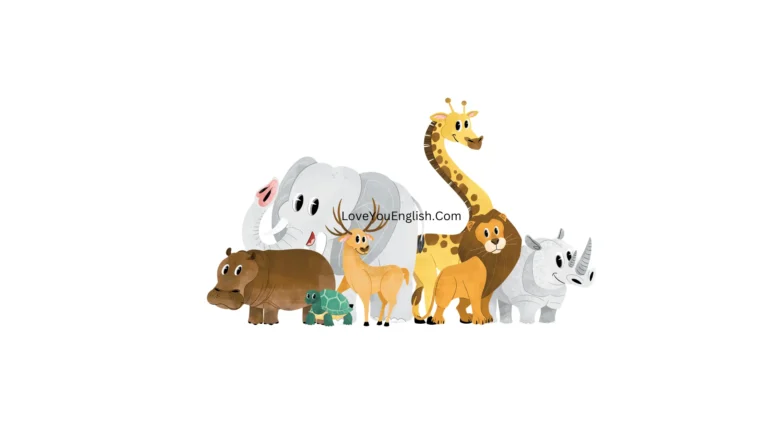
The story includes giraffes, zebras, monkeys, birds, and an elephant.
Who helped Gina gain confidence?
A wise elephant named Ella encouraged Gina to believe in herself and find her own style.
What advice did Ella give Gina?
Ella told Gina not to copy others and instead discover her own way of dancing.
Why was Gina embarrassed at first?
She felt embarrassed because she often tripped and other animals laughed at her.
How did Gina finally learn to dance?
She stopped copying others and moved in ways that felt natural to her body and personality.
What lesson does Gina learn?
Gina learns that being different is not a weakness—it can be a strength.
What is the moral of the story?
The moral is that everyone is unique, and confidence comes from accepting yourself.
Why is this story good for children?
The story teaches confidence, self-acceptance, and perseverance in simple language.
What does the word “savanna” mean?
A savanna is a large grassy area with few trees, often home to many animals.
What does “clumsy” mean in the story?
Clumsy means moving awkwardly or having difficulty controlling movements.
What does confidence mean?
Confidence means believing in yourself and your abilities.
Why is being unique important?
Being unique helps people discover their strengths and express themselves in their own way.
How can stories help children learn English?
Stories improve vocabulary, reading skills, imagination, and speaking confidence.
What new vocabulary can children learn from this story?
Children can learn words like graceful, rhythm, encouraged, unique, embarrassed, and confidence.
Why should children keep trying when something feels difficult?
Practice and patience often help people improve and discover new strengths.
How does Gina change by the end of the story?
By the end, Gina becomes happy, confident, and proud of who she is.