These English conversations about fame help learners discuss a popular and thought-provoking topic using natural, everyday English.
Table of Contents
ToggleThrough friendly dialogues, the conversations explore the advantages and disadvantages of being famous, such as loss of privacy, public pressure, opportunities, and personal happiness.
This material is perfect for ESL learners, speaking practice, group discussions, and opinion-based conversations, as it helps students express thoughts, agree or disagree politely, and talk about modern social issues with confidence.
English Conversations About Fame
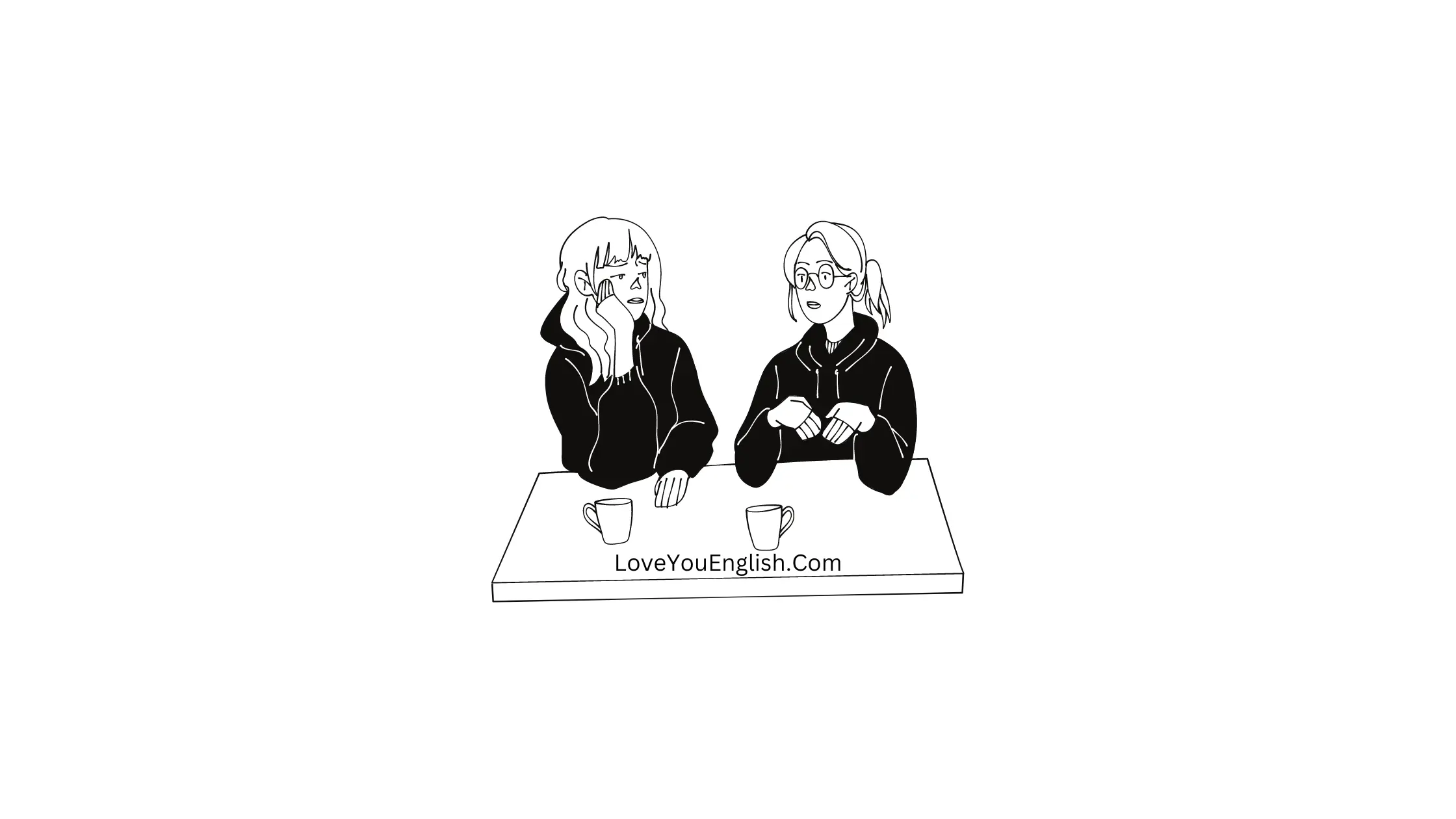
Sarah: Hey, Mark! I was just reading this article about how being famous isn’t always as glamorous as it seems. What do you think about fame?
Mark: Oh, I’ve thought about that too! I mean, it sounds exciting to have people know your name and admire your work, but I’m sure it has its downsides.
Sarah: Exactly! The article mentioned how celebrities lose their privacy and have to deal with constant media attention. Imagine not being able to go out without being recognized!
Mark: Yeah, that must be exhausting. I bet they can’t even have a simple coffee in peace! Sometimes I wonder if it’s worth it, you know?
Sarah: True! I think the pressure to always look perfect must be overwhelming. Plus, every little thing they do gets judged by the public.
Mark: That’s a tough one. No room for mistakes. Everyone’s watching, waiting for you to slip up. I’d rather live a quiet life and have my freedom.
Sarah: Same here. It seems like fame comes with a price. I’d miss doing regular things, like grocery shopping or just hanging out in the park.
Mark: Totally! Though, I wouldn’t mind having the opportunities that fame brings, like meeting inspiring people or working on amazing projects.
Sarah: Oh, for sure! There’s definitely a positive side too. I think it’s all about balance. Some celebrities manage to stay grounded and use their fame for good causes.
Mark: That’s true. I guess it depends on how you handle it. Fame could be great if you stay true to yourself and don’t let it change who you are.
Sarah: Exactly! At the end of the day, I think it’s important to stay humble and remember what really matters in life.
Mark: Couldn’t agree more! Fame or no fame, it’s all about staying happy and being yourself.
English Conversations About Fame
Emma: You ever wonder what it’d be like to be famous, Josh?
Josh: All the time! I mean, imagine everyone knowing who you are, and people asking for your autograph. That’d be wild!
Emma: Yeah, but don’t you think it could get a little overwhelming? I feel like you’d never have a moment to yourself.
Josh: True. I’ve heard a lot of celebrities talk about how they miss their privacy. No more quiet walks in the park or spontaneous trips to the store.
Emma: Exactly! Plus, all the online hate they get. People judge every little thing they do. That must be tough to handle.
Josh: Oh yeah, the trolls are real. It seems like no matter what you do, someone’s always criticizing. I don’t know if I’d want to deal with that constantly.
Emma: Same here. But I guess there’s a bright side too, like having a huge platform to inspire people. Some celebrities do amazing charity work and use their fame for good.
Josh: That’s a good point. If you could handle the pressure, it’d be great to make a difference in the world. Imagine being able to raise awareness about important issues just by speaking out.
Emma: Yeah, that part would be pretty amazing. I think I’d enjoy the creative opportunities too, like working on cool projects or collaborating with talented people.
Josh: Oh, definitely! You’d get to do things most people only dream of. But still, I think I’d miss the little things, like hanging out with friends without cameras flashing everywhere.
Emma: I hear you. Fame seems like a double-edged sword. It could be incredible, but also a lot to handle.
Josh: Exactly. I guess it’s all about finding balance. Some people manage it really well and seem pretty happy, but I don’t think it’s for everyone.
Emma: Agreed. For now, I’m happy with my peaceful, non-famous life!
Josh: Me too! We can leave the fame to the celebrities. We’ve got enough excitement in our lives already!
Key Phrases – English Conversations About Fame
Talking About Fame in General
-
What do you think about fame?
-
Have you ever wondered what it’s like to be famous?
-
Fame isn’t always as glamorous as it seems.
-
Being famous sounds exciting.
-
Everyone knowing your name.
Discussing the Downsides of Fame
-
Losing privacy
-
Constant media attention
-
Not having a moment to yourself
-
Being judged by the public
-
Dealing with online hate
-
No room for mistakes
Expressing Pressure & Feelings
-
That must be exhausting.
-
It could get overwhelming.
-
The pressure to look perfect.
-
I don’t know if I could handle that.
-
Someone’s always watching.
Talking About the Positive Side of Fame
-
Fame brings opportunities.
-
Meeting inspiring people.
-
Working on amazing projects.
-
Having a huge platform.
-
Using fame for good causes.
-
Making a difference in the world.
Expressing Balance & Opinions
-
Fame comes with a price.
-
It’s a double-edged sword.
-
It depends on how you handle it.
-
It’s all about balance.
-
Staying true to yourself.
Agreeing & Reacting
-
Exactly!
-
That’s a good point.
-
I couldn’t agree more.
-
Same here.
-
Totally!
Values & Life Perspective
-
Staying humble
-
Remembering what really matters
-
Being yourself
-
Living a quiet life
-
Valuing freedom
Friendly Closings
-
At the end of the day…
-
For now, I’m happy with my life.
-
We can leave the fame to celebrities.
-
I’m good with my peaceful life.
FAQs: English Conversations About Fame
What is this blog post about?
This blog post presents natural English conversations about fame, exploring both its advantages and disadvantages. It helps learners discuss a popular social topic using simple and clear language.
What can English learners learn from these conversations?
Learners can:
- Express opinions about fame
- Discuss advantages and disadvantages
- Use natural conversational phrases
- Improve fluency in opinion-based discussions
Why is fame a useful topic for English speaking practice?
This topic is useful because:
- It is common in daily conversations and media
- It encourages critical thinking
- It helps learners express personal views
- It improves discussion skills
What are the advantages of being famous?
Some advantages include:
- More opportunities and career growth
- Meeting influential and inspiring people
- Ability to influence and help others
- Working on exciting projects
What are the disadvantages of being famous?
Some disadvantages include:
- Loss of privacy
- Constant media attention
- Public pressure and criticism
- Lack of personal freedom
How can I express my opinion about fame in English?
You can say:
- “I think fame is exciting but challenging.”
- “In my opinion, fame comes with a price.”
- “I believe it depends on how you handle it.”
What phrases can I use to agree or disagree?
You can use:
- “I agree with you.”
- “That’s a good point.”
- “I couldn’t agree more.”
- “I see it differently.”
Why is fame called a “double-edged sword”?
Fame is called a double-edged sword because:
- It has both positive and negative sides
- It offers benefits but also creates challenges
Is this conversation suitable for beginners?
Yes, the language is simple and easy to understand, making it suitable for beginners and intermediate learners.
How can I practice these conversations?
You can practice by:
- Discussing with a partner
- Sharing your opinions
- Role-playing different viewpoints
- Using key phrases in conversations
Can this topic help in English speaking exams?
Yes, it is very useful for exams like IELTS because it includes:
- Opinion-based questions
- Social topics
- Discussion skills
What is the key message of these conversations?
The main message is that fame has both positive and negative aspects, and learning to discuss such topics helps you communicate your thoughts clearly and confidently in English.
You may also like these English learning articles:
📚 Continue Learning English
Choose your next lesson and keep improving your English skills with our free English learning resources.