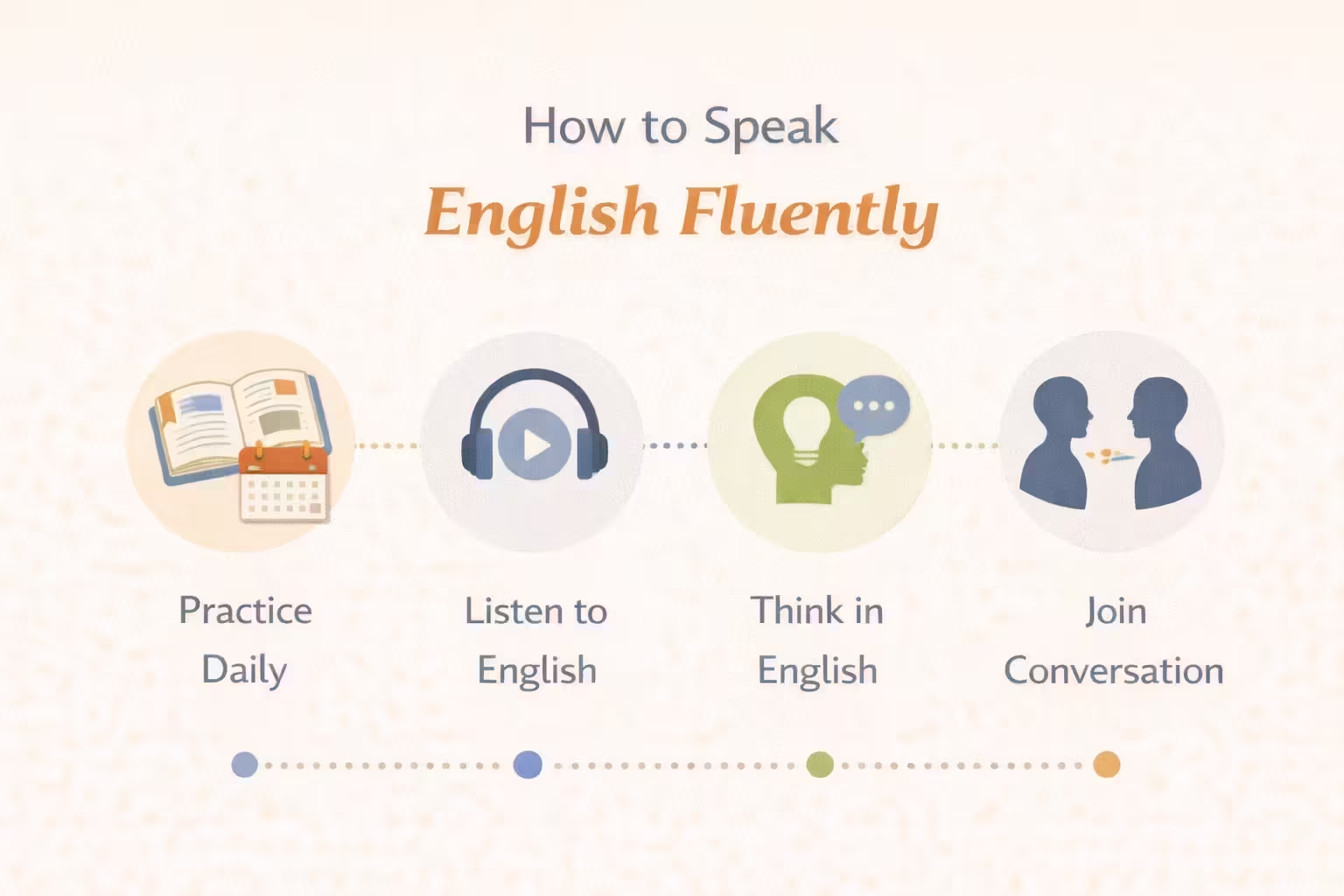
Speaking English fluently is a common goal for many learners, but fluency does not come from memorizing grammar rules alone. It develops through regular practice, real-life usage, and building confidence while speaking. Many learners understand English well but struggle to speak smoothly and naturally.
In this post, you will learn 10 practical tips to speak English fluently in everyday situations. These simple and effective strategies focus on speaking habits, listening skills, and confidence-building techniques that really work. Whether you are a student, professional, or ESL learner, these tips will help you improve your fluency, reduce hesitation, and speak English with confidence.
Immerse Yourself in English Everywhere
Watch TV Shows and Movies:
Choose your favorite shows and movies in English.
It’s like learning and entertainment rolled into one!
Use subtitles wisely – start with them on, then switch to off as you become more confident.
Listen to Music and Podcasts:
Tune in to English songs and podcasts. Pay attention to the lyrics or discussions to pick up new words and phrases.
Don’t worry if you can’t catch every word at first – it’s all part of the learning process.
Read Books, Articles, and Blogs:
Start with simple books or articles and gradually move on to more complex ones.
Follow English blogs related to your interests. Reading regularly will improve your vocabulary and comprehension.
Language Learning Apps
Duolingo:
Duolingo turns language learning into a game. It’s addictive and effective!
Perfect for beginners, it covers all aspects – reading, writing, listening, and speaking.
Memrise:
Memrise uses mnemonic techniques to make learning new words a breeze.
Engaging video clips and interactive exercises keep you entertained while learning.
HelloTalk:
Connect with native English speakers through HelloTalk.
It’s like having a language exchange partner in your pocket. Correct each other’s messages, have voice conversations, and learn from real-life interactions.
Classes and Tutors
Online Courses:
Platforms like Coursera, Udemy, and Khan Academy offer comprehensive English courses.
Choose courses that align with your proficiency level and learning goals.
Private Tutors:
Invest in a tutor for personalized guidance.
Websites like iTalki and Preply connect you with experienced tutors from around the world.
Regular one-on-one sessions can boost your speaking and listening skills significantly.
Language Exchange Meetups:
Join local or online language exchange groups.
These meetups provide a relaxed environment to practice your English with native speakers. Share your language skills in return – it’s a win-win!
Practice, Practice, Practice
Speak English Daily:
Don’t be shy – speak English every chance you get. Whether ordering coffee or chatting with friends, practice makes perfect.
Join language exchange events or clubs in your area to meet like-minded learners.
Write Regularly:
Engage in Group Activities:
Participate in group activities like book clubs, discussion forums, or online gaming communities.
Collaborating with others enhances your communication skills and exposes you to diverse English accents and expressions.
Learn English Through Fun and Games
Word Games:
Play word games like Scrabble, Boggle, or online platforms like Wordament.
Language Learning Apps for Kids:
Don’t underestimate the power of apps designed for kids.
Escape Room Games:
Engage in virtual or physical escape room games. Solving puzzles and clues in English can be both educational and entertaining.
Stay Consistent and Motivated
Set Realistic Goals:
Break down your language-learning journey into achievable goals. Celebrate small victories to stay motivated.
For example, aim to learn 10 new words a week or have a five-minute conversation with a native speaker.
Use Language Learning Challenges:
Participate in monthly challenges to spice things up.
Challenges like the 30-day speaking challenge or the 1000-word challenge keep you on your toes.
Document your progress and share it online – the community support can be a tremendous motivator.
Reward Yourself:
Treat yourself when you reach milestones.
Whether it’s enjoying your favorite snack, watching a movie, or taking a day off, rewards keep you motivated.
Cultural Integration for Language Learning
Explore English-Speaking Countries:
If possible, travel to English-speaking countries to experience the language in its natural habitat.
Immerse yourself in local culture, try regional foods, and engage in conversations with locals for an authentic learning experience.
Attend Cultural Events:
Attend English-language cultural events, such as plays, concerts, or art exhibitions.
Exposure to different accents and dialects in real-life situations will enhance your language comprehension.
Follow English News and Trends:
Stay updated with English news, trends, and pop culture. This not only improves your language skills but also keeps you culturally aware.
Subscribe to English-language news websites, follow influencers on social media, and be part of global conversations.
Utilize Social Media for Learning
Join Language Learning Communities:
Platforms like Reddit and Facebook host vibrant language learning communities. Engage in discussions, seek advice, and share your progress.
Connect with fellow learners for mutual support and exchange of language tips.
Follow English-Speaking Influencers:
Follow English-speaking influencers, YouTubers, and podcasters. Their content often provides informal language exposure and practical usage examples.
Comment on their content and participate in discussions to interact with other followers.
Use Language Learning Apps with Social Features:
Some language learning apps incorporate social features. Share your achievements, compete with friends, and join language challenges within the app.
The sense of community and friendly competition can keep you motivated.
Overcoming Challenges and Common Pitfalls
Embrace Mistakes:
Don’t be afraid to make mistakes. They are an integral part of the learning process.
Learn from your errors, and don’t let fear hinder your progress.
Native speakers appreciate the effort you put into learning their language.
Combat Language Plateaus:
Language plateaus are normal. If you feel stuck, switch up your routine, try a new learning method, or take a break.
Consistency is essential, but occasional breaks can refresh your mind and prevent burnout.
Patience is Key:
Language learning is a journey, not a sprint. Understand that progress takes time, and every small step counts.
Celebrate your achievements, no matter how minor, and remember that continuous effort pays off in the long run.
Advanced Learning Techniques
Advanced Grammar Resources:
As you progress, delve into advanced grammar resources to refine your language skills.
Grammarly, Cambridge Grammar in Use, and other advanced grammar books can provide detailed insights into complex language structures.
Literature and Poetry:
Challenge yourself with English literature and poetry.
Classic novels, contemporary fiction, and poetry collections expose you to rich vocabulary and diverse writing styles.
Analyze the texts to deepen your understanding of cultural nuances and literary techniques.
Public Speaking and Debating:
Engage in public speaking opportunities and join debating clubs.
These activities enhance your fluency, boost confidence, and develop critical thinking skills.
Seek out local Toastmasters clubs or online platforms that host virtual debates.
Conclusion:
In conclusion, speaking English fluently is a skill that improves with consistent practice and the right approach. Fluency is not about speaking fast or being perfect—it’s about expressing your thoughts clearly and confidently.
By following these 10 practical tips and using English regularly in daily life, you can reduce hesitation, improve confidence, and speak more naturally. Stay patient, keep practicing, and remember that small daily efforts lead to big improvements in English fluency over time.
Explore more topics here:
- Everyday English Expressions for Daily Use
- Master Daily English Conversation: Speaking Skills
- English for Public Speaking: Build Confidence and Clarity
- How to Become Fluent in English in 30 Days: A Complete Step-by-Step Guide
- How to Improve Public Speaking at Work
- 250 Short Bio Examples (+ Free Templates)
Want to improve more? Explore our Spoken English Practice section for practical tips and lessons.